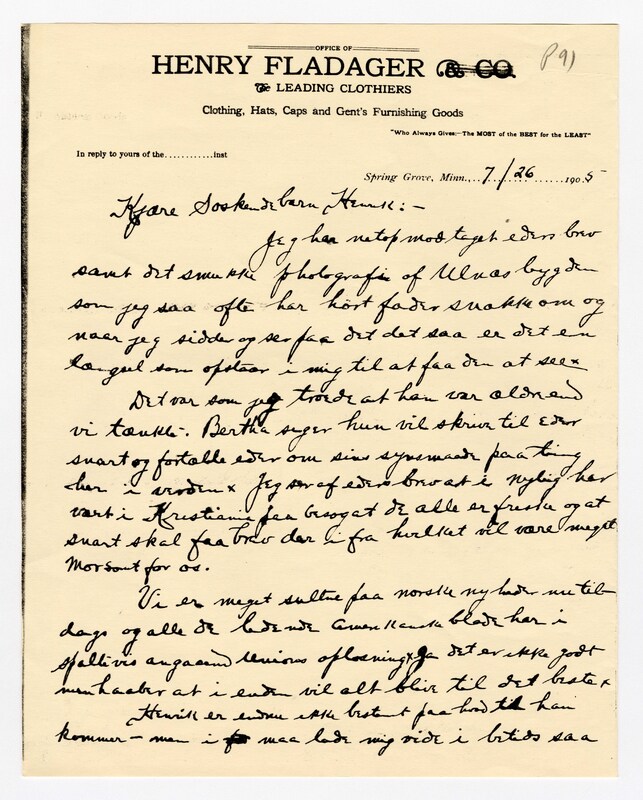
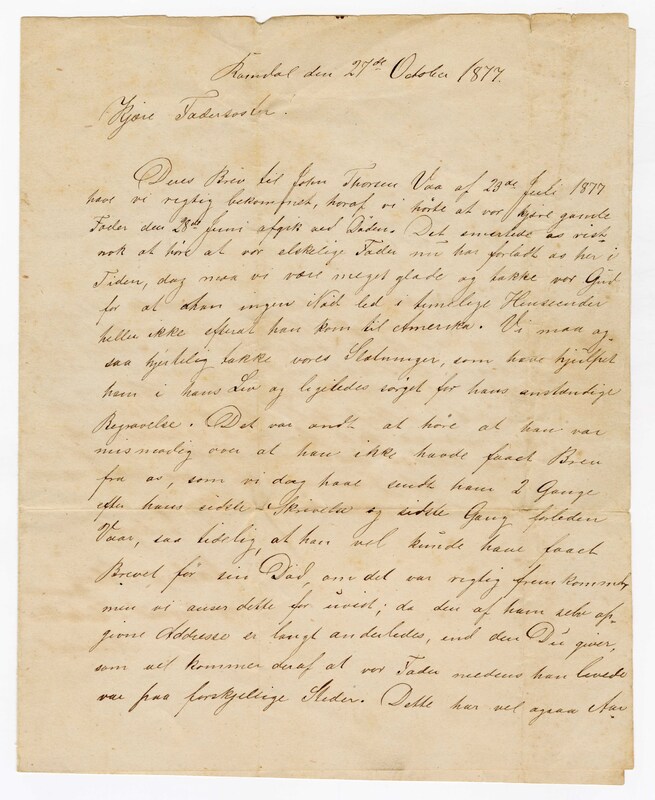
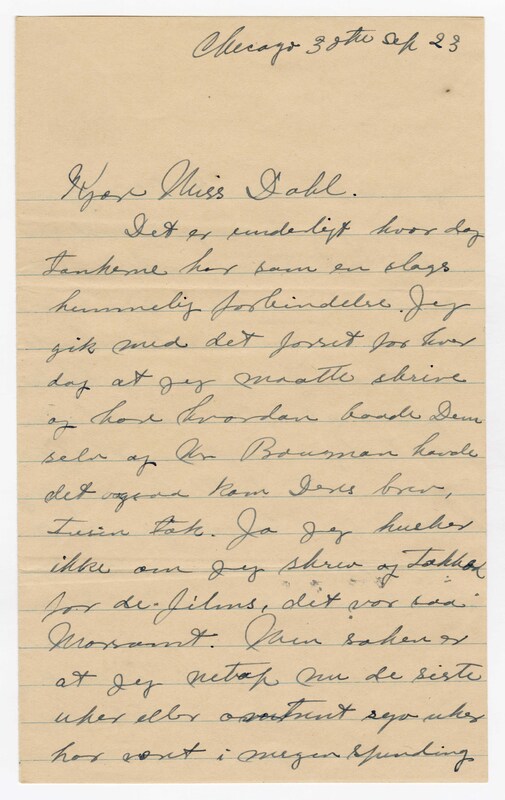
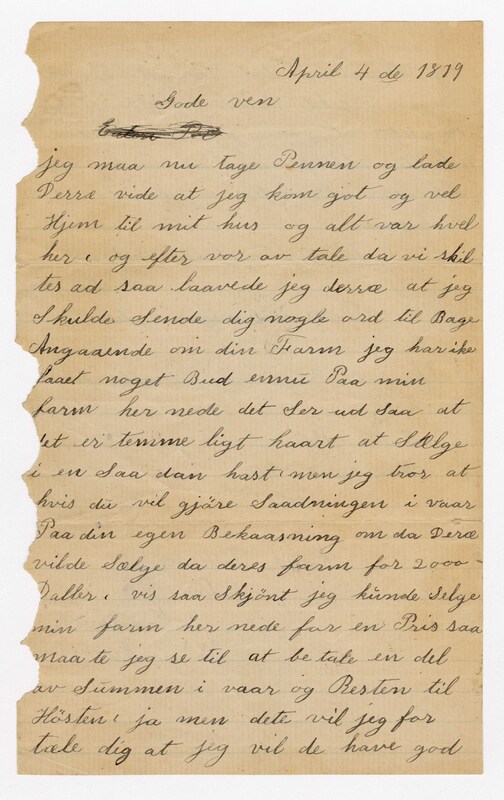
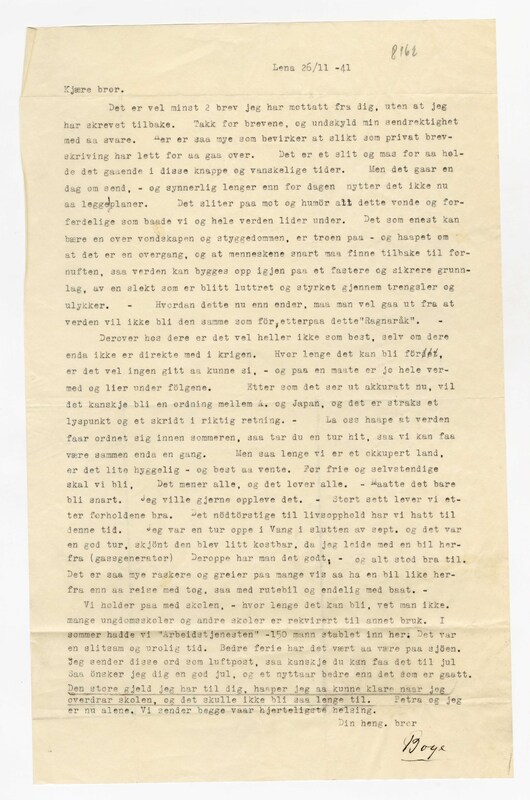
Letters received by Fladager at Spring Grove, Minnesota, from his brother, Ole H. in Christiania and Rome, from an unidentified correspondent at Blue Mounds, Wisconsin, and from a son, Henry. Ole H. was a sculptor. Also, photocopy of letter written July 26, 1905 by his son, Henry (who had a clothing store in Srping Grove, MN) to "soskende barn Henrik."
Papers of a Norwegian-born Lutheran clergyman: correspondence, school notebooks, and a manuscript (44 p.) of his translation (portions of Joh. Ludwig Hartmann's (1640-84), "Evangelisk Troesgrund," from German to Norwegian.
The catalog record for the Mikel C. Holseth papers can be found online here.
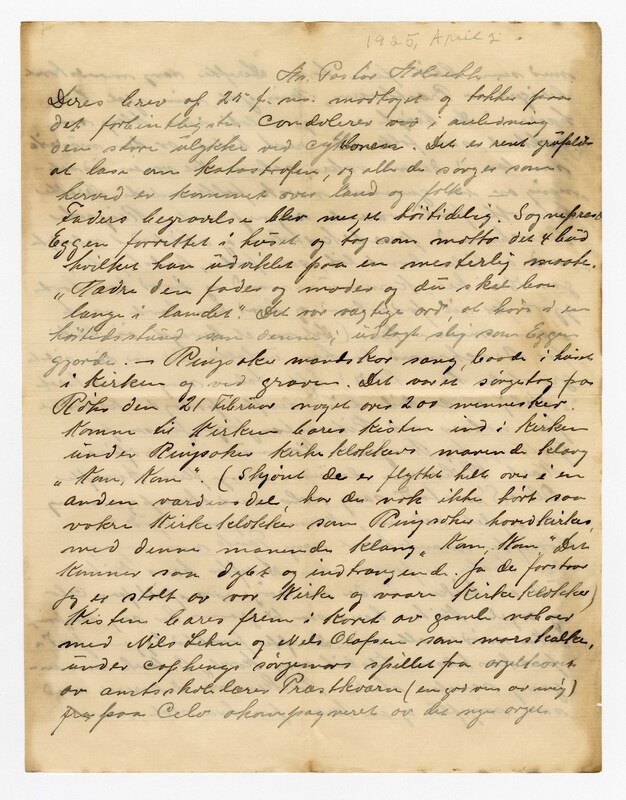
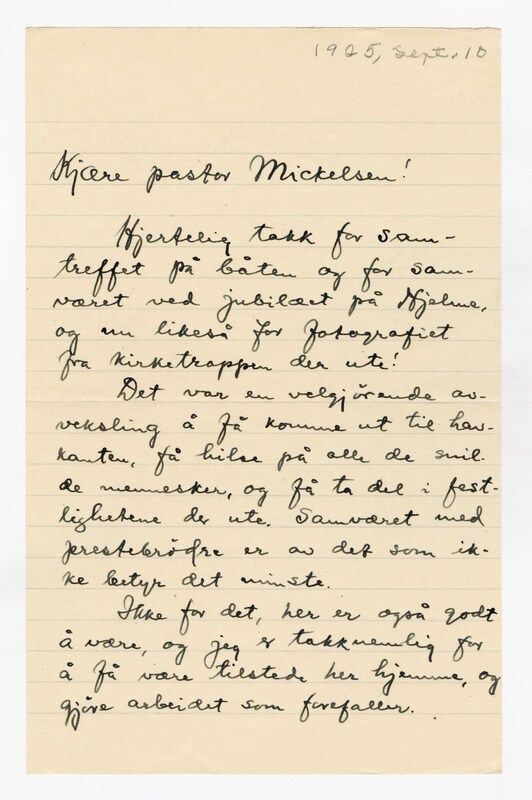
Correspondence, articles, and clippings of a Norwegian-born Lutheran clergyman. The clippings treat subjects such as temperance, language problems, and the Norwegian Memorial Church. Many of the letters are from charitable institutions, including Homme Home for the Aged, Wittenberg, Wisconsin, and Ebenezer, a Home for the Aged, Minneapolis. J.A. Aasgaard is one of the correspondents.
The catalog record to the Michael Mickelsen papers can be found online here.
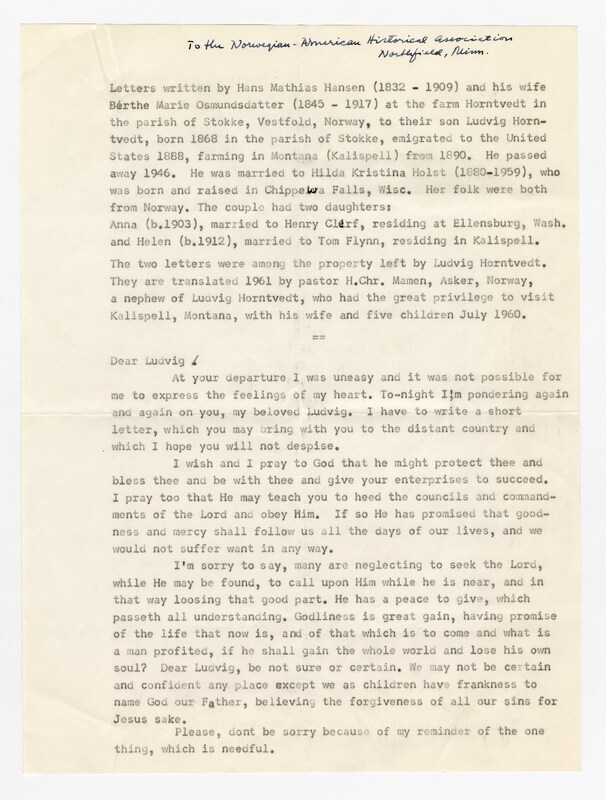
Translated copy of letters received by a Kalispell, Montana, farmer from his parents (of Stokke, Vestfold) at his departure to America. For Horntvedt family history, see "Aette historie og familie register av slegterne Mokkenes, Horntvedt, Myrre og Gjein."
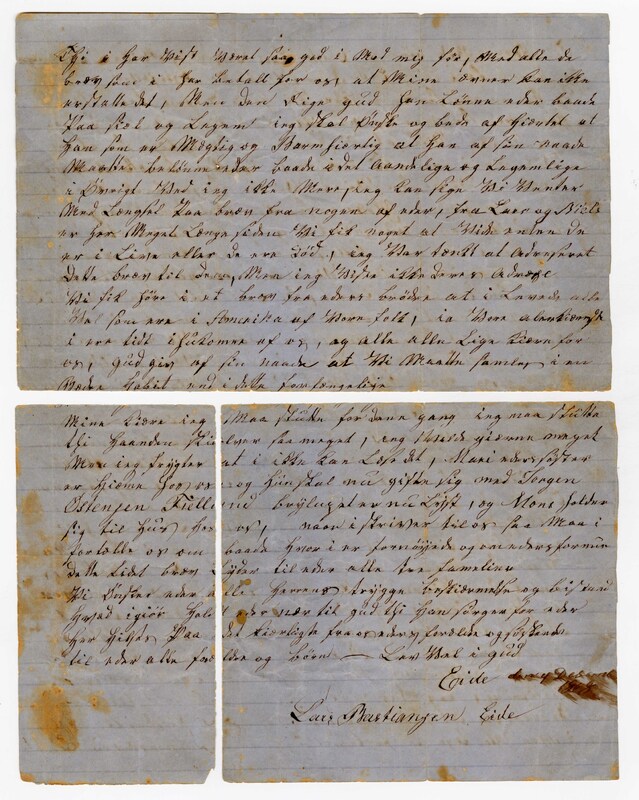
Letter written in Skånevik, Hordaland, Norway by Lars Eide to his children, Lars, Britha, and Margrethe in America. Britha, married to Ole Berhow (Berhaug), immigrated (1858) first to Illinois and then to Iowa in 1860.
Knud Langeland was an editor, farmer, and politician. He was born in Samnager, Norway, and taught school before he emigrated to the United States in 1843. He settled on a farm in Racine County, Wisconsin. He was the editor of Democraten (published in Racine, Wisconsin) and in 1866 he became the editor of Scandinaven. Langeland also served in the Wisconsin State Assembly in 1860.
The catalog record to the Knud Langeland papers can be found online here.
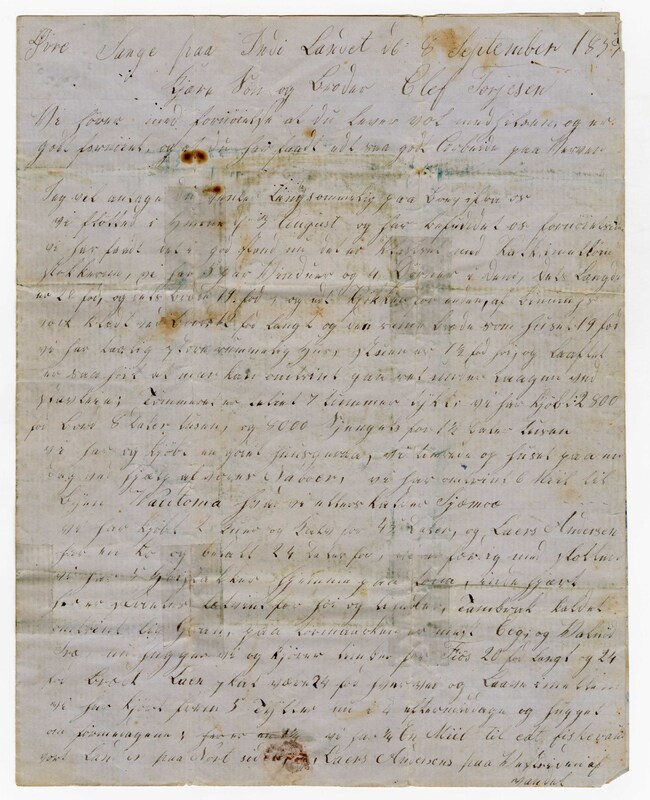
A letter written to his brother Elef in Chicago, describing his farm buildings and produce at Wautoma, Wisconsin, in 1853, and a birth certificate and baptism issued in Holt, Norway, 1852.
Julius Berg Johannesen was born in 1869 to Johannes Johannesen Bauman and Barbro Susanna Pedersdatter in Kiby (Tyby), Nord-Varanger, Finnmark, Norway. His father, Johannes Baumann, was a fisherman and partner of Per Kristian Glein, a well-known skipper and merchant on the island of Dønna. He married Barbo Susanna in Dønna, foster daughter of Per Kristian Glein.
The catalog record to the Julius B. Baumann papers can be found online here.
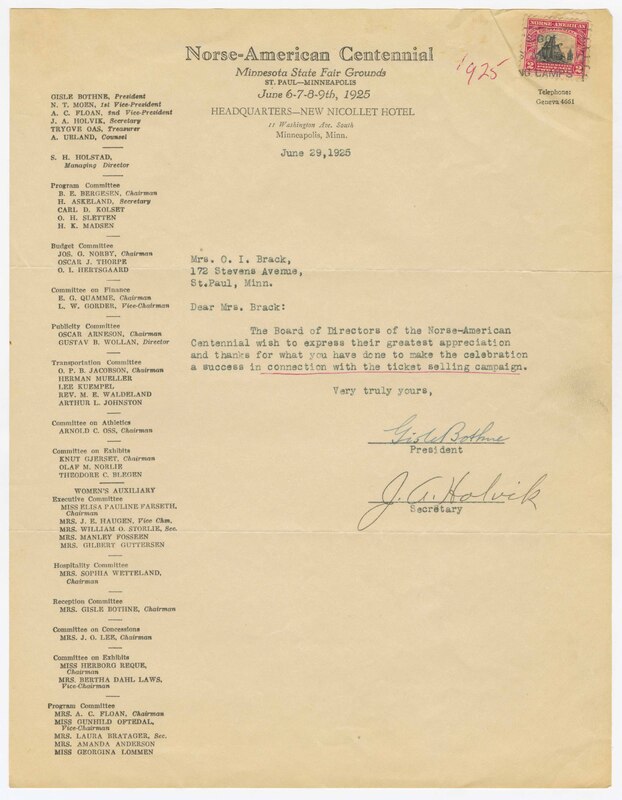
Materials from the Josephine Brack papers (P0921) housed at the NAHA Archives. Brack was a St. Paul woman who was a leader in Norwegian-American organizations, especially in the Norse-American Centennial Celebration in 1925, the Norse-American Centennial Daughters of St. Paul, and the Minnesota Leif Erickson Monument Association. She held offices in all of these organizations and continued to sponsor an annual Leif Erickson celebration after the monument had been erected in 1949. She was also an officer in the group which administered Lyngblomsten Home for the Aged in St. Paul.
Funding to digitize was provided to the Norwegian-American Historical Association through the Minnesota Arts and Cultural Heritage Fund, a component of the Minnesota Clean Water, Land and Legacy constitutional amendment, ratified by Minnesota voters in 2008.
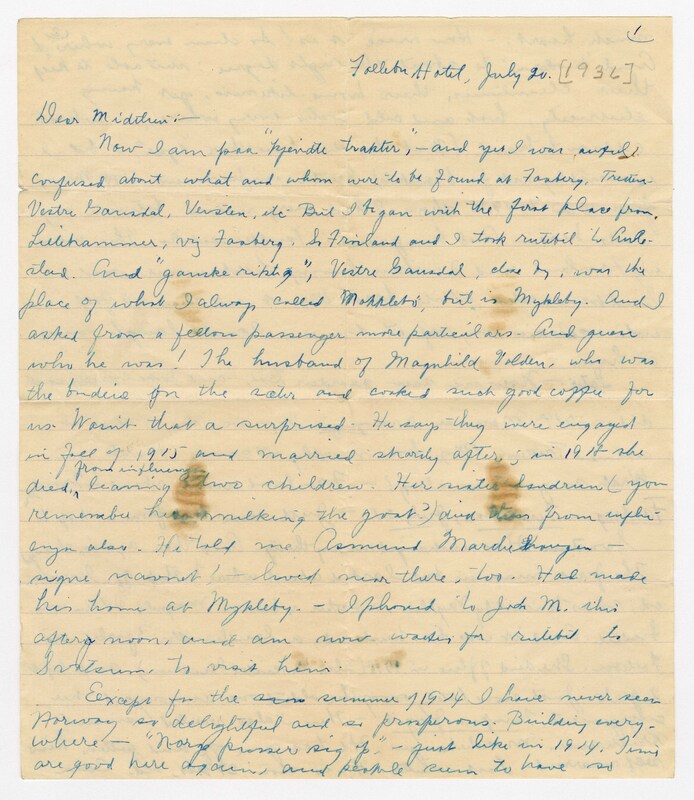
Correspondence of a Norwegian-born Lutheran clergyman and "A Christmas at the Old Parsonage in Coon Valley [Wis.]" (5 page-typescript), written by Midtlien and translated from the Norwegian by L. A. Mathre in 1965. A large number of the letters are from Martin Norgaard, a mathematics teacher. The remaining letters concern his duties as a parish minister.
The catalog record to the John N. Midtilien papers can be found online here.
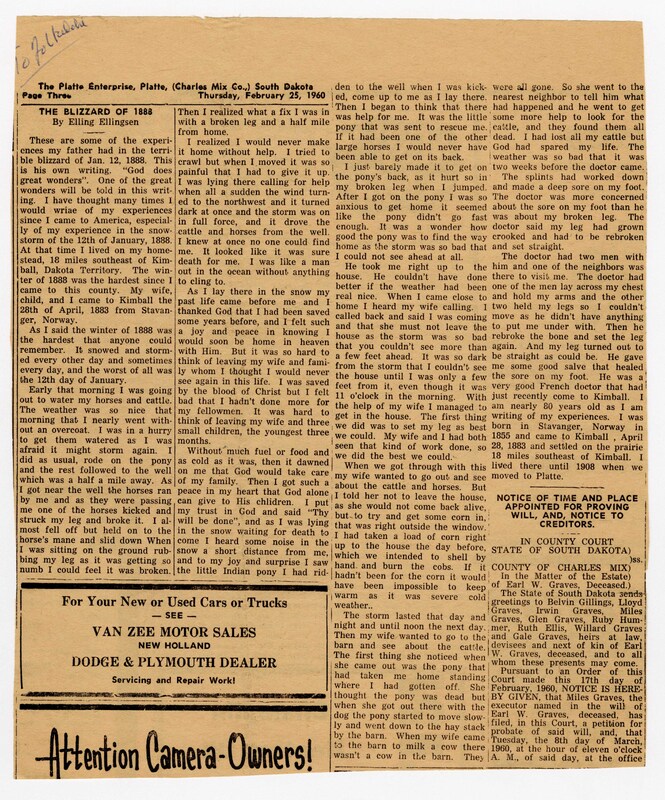
Correspondence and articles of a Norwegian-born (Stavanger, emigrated 1883) farmer and mason, Platte, South Dakota, which discuss local church life, the snowstorm of 1888, the depression in the 1890s, and World War I. References are made to Sven Oftedal, Theodor S. Reimestad, and Georg Sverdrup. Includes clippings of articles by son, Elling Ellingsen, about "some of the experiences my father had in the terrible blizzard of Jan. 12, 1888" (1960).
The catalog record to the John Ellingsen papers can be found online here.
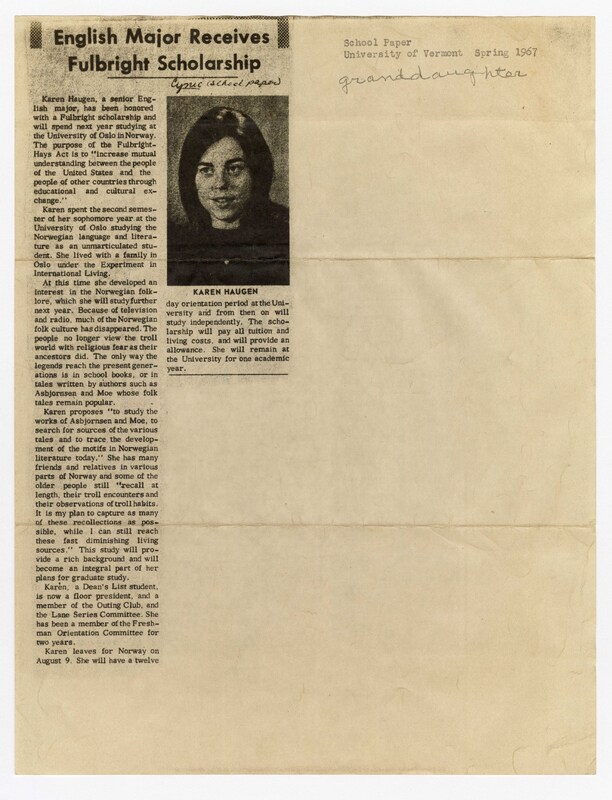
Correspondence and assorted papers of a pharmacist and administrator of the St. Paul Luther Hospital. Includes a small booklet for the Woman's Club (1910-1911) Dell Rapids, S.D.; class notes from the University of Minnesota, Department of Medicine, 1895; clipping on Karen Haugen.
The catalog record to the John E. Haugan collection can be found online here.
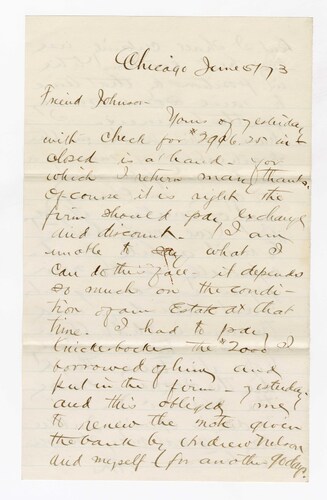
John Anders Johnson was born in Telemark, Norway, on April 15, 1832, and emigrated with his family to the United States in 1844, later settling near Koshkonong, Wisconsin. After the deaths of his first wife, Karen Thompson, and their daughter in 1860, he remarried Kaia Nicoline Kildahl in 1861 and had six children. Johnson became a prominent Norwegian-American businessman, founding companies such as Fuller & Johnson Manufacturing Company, Gisholt Machine Company, and Hekla Fire Insurance Company, and serving as president of the National Association of Implement and Vehicle Manufacturers in 1896. He was also active in politics and public life, serving in the Wisconsin legislature and as county clerk, writing on major social and political issues, helping found the Chicago newspaper Amerika, and supporting institutions like the University of Wisconsin.
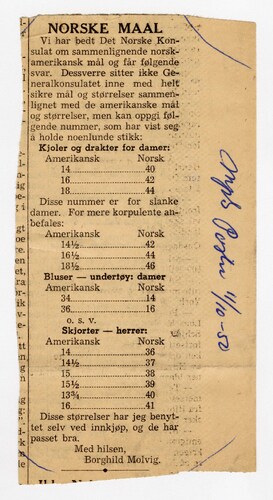
The Jacob Stefferud papers document his work as chief clerk for the Norwegian America Line in New York and Minneapolis, his role as acting consul for Norway, and his service as a commissioner for Nordmanns-Forbundet. The digitized selections highlight Stefferud’s World War II activities, including lecture materials on Norway and the war, records from the Norwegian Clothing Drive and the Norwegian Relief Committee of Minneapolis, photographs and meeting books related to Camp Little Norway and the Camp Little Norway Association, correspondence concerning the Norwegian Consulate in Minneapolis, and letters with Stefferud’s family and friends in occupied Norway. The collection also contains sixteen 16mm publicity films created to support relief efforts.
Funding to digitize a portion of the Jacob Stefferud Papers provided to NAHA through the Minnesota Arts and Cultural Heritage Fund, a component of the Minnesota Clean Water, Land and Legacy constitutional amendment, ratified by Minnesota voters in 2008.
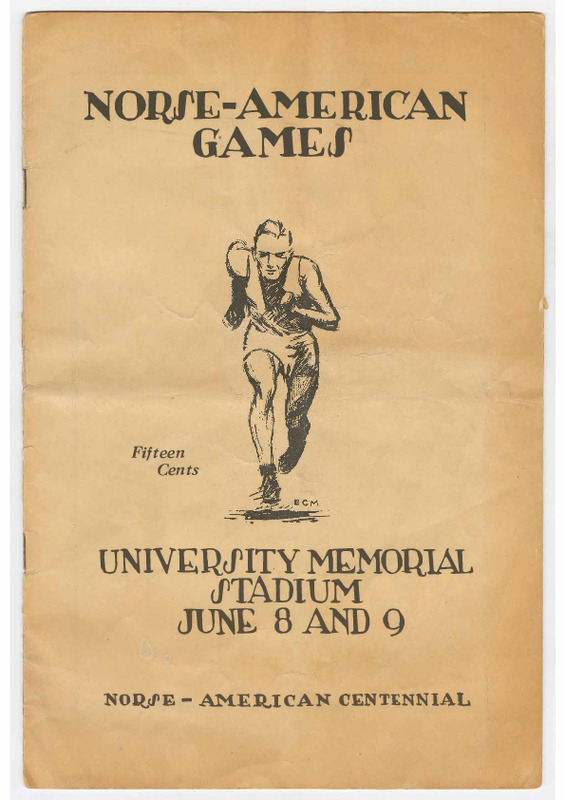
Norse-American Games Program from the Irvin B. Anderson papers (P1724) housed in the NAHA Archives. Irvin B. Anderson was a St. Olaf College student, a WWII Navy Veteran, Swift County, (Minnesota)Treasurer, and son of Norwegian Immigrants.
Funding to digitize was provided to the Norwegian-American Historical Association through the Minnesota Arts and Cultural Heritage Fund, a component of the Minnesota Clean Water, Land and Legacy constitutional amendment, ratified by Minnesota voters in 2008.
Letters to Eriksen, farmer and merchant at Scandinavia, Wisconsin, from Lutheran clergymen regarding theological disputes; from friends and relatives concerning agricultural profits and losses; and from Civil War soldiers. The compilation volume contains typewritten copies of these letters, copies of documents, and a family history. Correspondents include O. F. Duus, N. J. Ellestad, W. J. L. Frich, J. Krohn, Amund Mikkelsen, H.G. Stub, and H. A. Preus. Alfred O. Erikson's article, "Scandinavia, Wisconsin," in "Studies and Records," volume 15, 1949, is based partly on these papers.
The catalog record to the Ingebret Eriksen papers can be found online here.
Hermana Rye Haugan was a prominent Norwegian-American community leader in Chicago who, as Secretary of the Chicago Working Center for Norway from 1940 to 1945, organized sewing and knitting initiatives that mobilized women to support relief efforts during and after World War II.
Funding to digitize portions of the Hermana Rye Haugan papers was provided by the National Endowment for the Humanities.
Helge Høverstad was born on March 15, 1870, in Vang, Valdres, Norway, to Torger Anderson Høverstad and Gjertrude Helgesdatter Leine. One of five children, he immigrated to North America in 1892, arriving in Quebec before settling in Holden, Goodhue County, Minnesota, where relatives already lived. He studied at Hamar Seminary in Norway and later at the United Church Seminary in Minneapolis (now Augsburg University) and Chicago Lutheran Theological Seminary. Høverstad served Lutheran congregations in Illinois, Wisconsin, and Iowa and also contributed to church work through the Foreign Missions board and writing for St. Petri tidende.