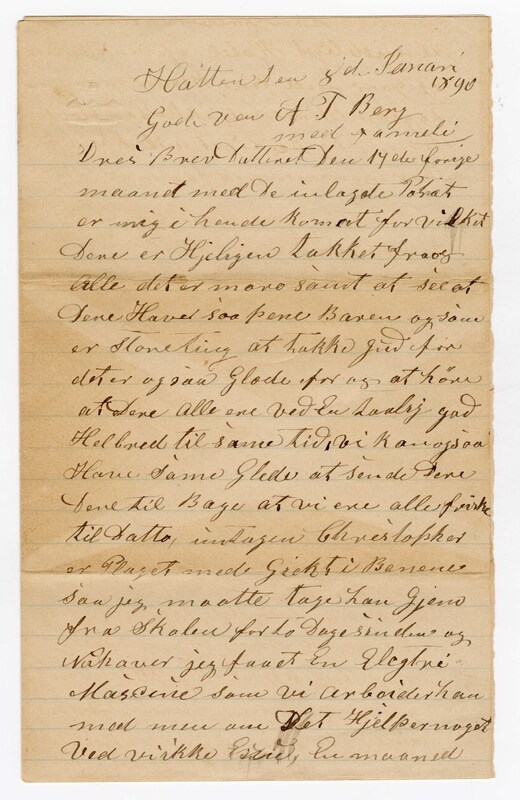
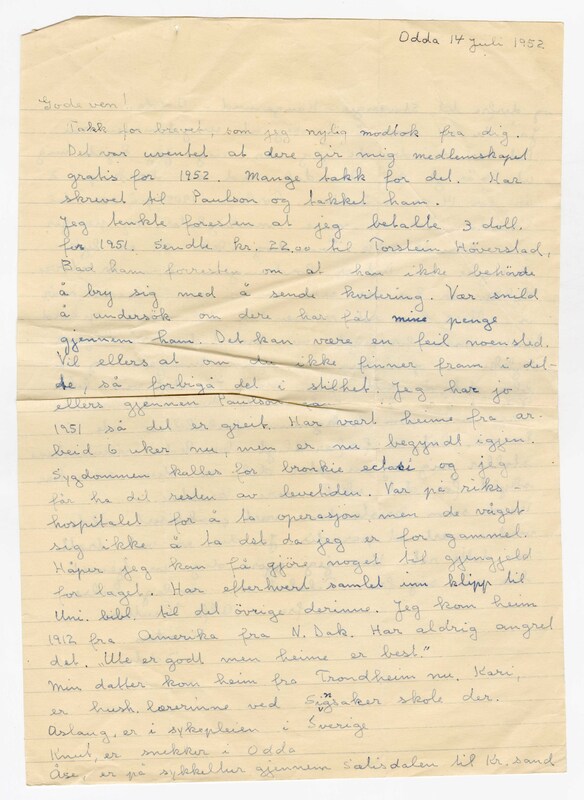
Letters to a Norwegian-born farmer at Sunburgh, Minnesota. Correspondents include Thorstein Berg, Johannes Halvorson, Bjug A. Harstad, T. T. Kopseng, T. P. Satner, and Johannes Tingelstad. All in Norwegian.
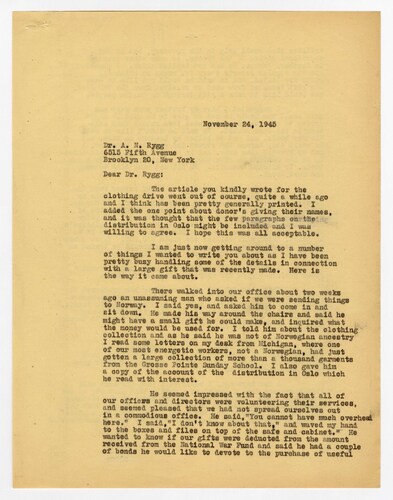
Founded in 1940 immediately after Nazi Germany's invasion of Norway, American Relief for Norway, Inc. (first named Norwegian Relief, Inc.) was the largest Norwegian-American relief organization in operation during World War II. With a mission to relieve distress among the people of Norway, activities included fundraising, clothing drives, food shipments, publicity, and participation with other aid groups and initiatives.
Funding to digitize a portion of the American Relief for Norway, Inc. Papers provided to NAHA through the Minnesota Arts and Cultural Heritage Fund, a component of the Minnesota Clean Water, Land and Legacy constitutional amendment, ratified by Minnesota voters in 2008.
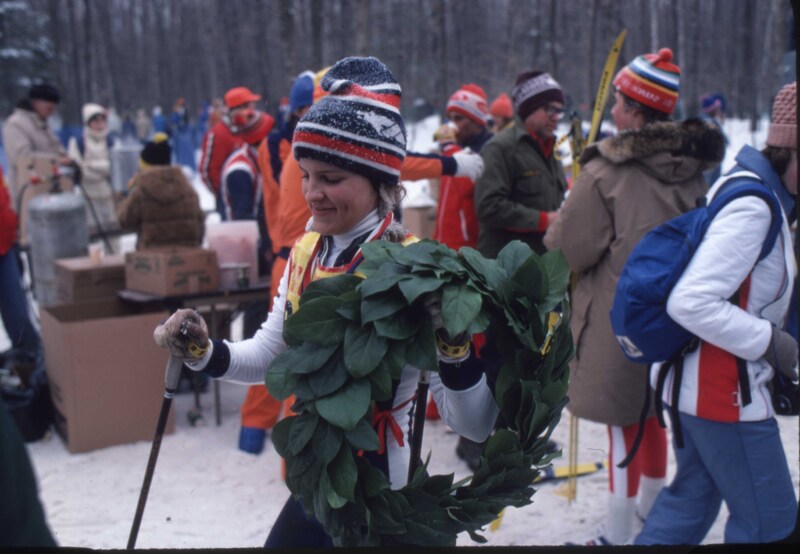
The American Birkebeiner was started in 1973 by Tony Wise, a founding member of the Worldloppet federation of cross-country ski marathons. The race is held in February in Hayward, WI. Wise drew on his Norwegian heritage in starting a race named after a famous event in Norway. The American Birkebeiner, also called Birke, is named after Norwegian Birkebeinerrennet. This race commemorates an important historical event when in 1206 a group of Birkebeiner party soldiers, who fought for Sverre Sigurdsson and his descendants in the Norwegian civil war, smuggled the illegitimate son of Norway's King Håkon Sverresson from Lillehammer to safety in Trondheim.
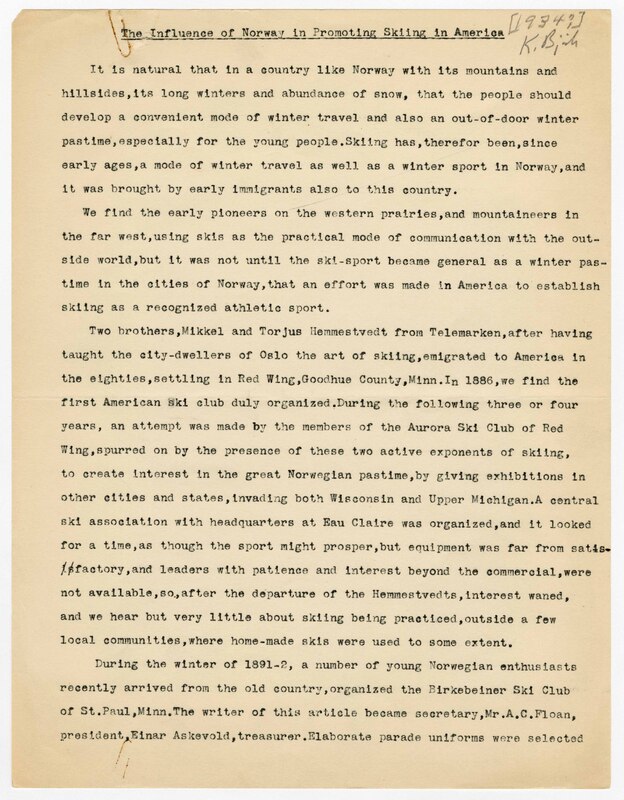
The Influence of Norway in Promoting Skiing in America and "Norwegian National Sports and Their Influence in the U.S. and Canada: Written for the Norse American Centennial Celebration 1925 by A. H. Holter." Holter was a Norwegian-born merchant from Ashland, Wisconsin, and an organizer and officer of the National Ski Association of America.