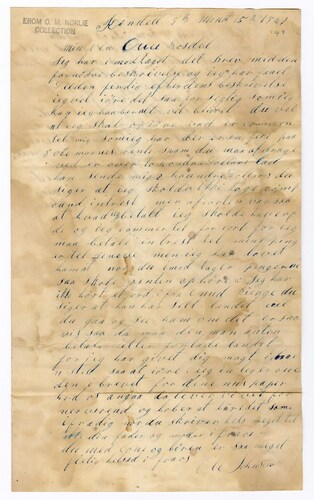
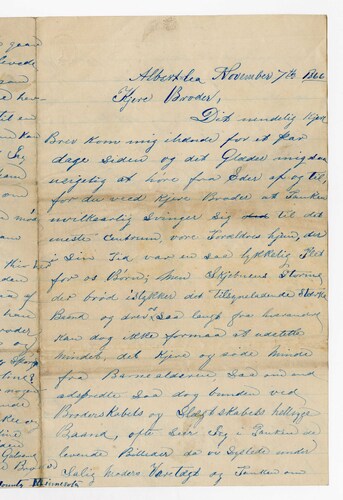
Two letters addressed to Rosdail (La Salle County, Illinois). The first, written in English by Lars Ellickson of Company G, 1st Regiment, Illinois Infantry, from Santa Fe, New Mexico, reports on the death of Rosdail’s brother-in-law, Cornelius Cothrien (1814–1847). The second, from Ole Johnson [Eide] of Kendall, New York, pertains to the sale of land.
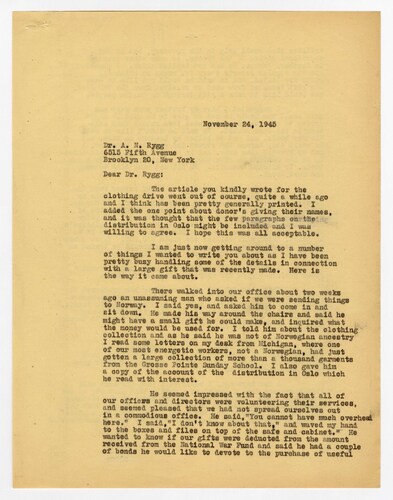
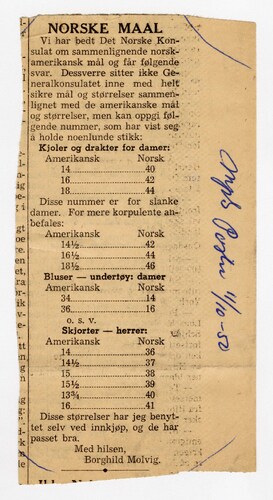
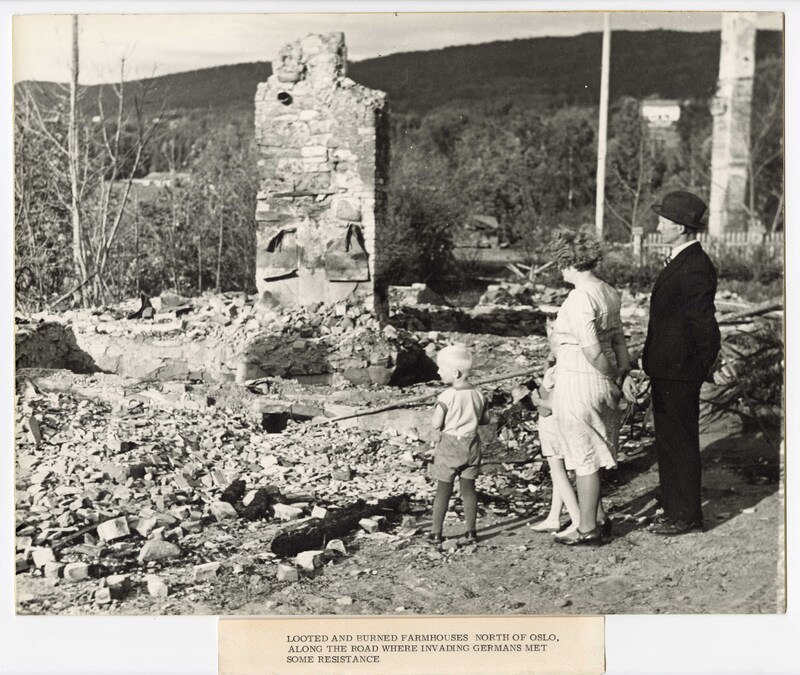
Founded in 1940 immediately after Nazi Germany's invasion of Norway, American Relief for Norway, Inc. (first named Norwegian Relief, Inc.) was the largest Norwegian-American relief organization in operation during World War II. With a mission to relieve distress among the people of Norway, activities included fundraising, clothing drives, food shipments, publicity, and participation with other aid groups and initiatives.
Funding to digitize a portion of the American Relief for Norway, Inc. Papers provided to NAHA through the Minnesota Arts and Cultural Heritage Fund, a component of the Minnesota Clean Water, Land and Legacy constitutional amendment, ratified by Minnesota voters in 2008.
The Jacob Stefferud papers document his work as chief clerk for the Norwegian America Line in New York and Minneapolis, his role as acting consul for Norway, and his service as a commissioner for Nordmanns-Forbundet. The digitized selections highlight Stefferud’s World War II activities, including lecture materials on Norway and the war, records from the Norwegian Clothing Drive and the Norwegian Relief Committee of Minneapolis, photographs and meeting books related to Camp Little Norway and the Camp Little Norway Association, correspondence concerning the Norwegian Consulate in Minneapolis, and letters with Stefferud’s family and friends in occupied Norway. The collection also contains sixteen 16mm publicity films created to support relief efforts.
Funding to digitize a portion of the Jacob Stefferud Papers provided to NAHA through the Minnesota Arts and Cultural Heritage Fund, a component of the Minnesota Clean Water, Land and Legacy constitutional amendment, ratified by Minnesota voters in 2008.
Hermana Rye Haugan was a prominent Norwegian-American community leader in Chicago who, as Secretary of the Chicago Working Center for Norway from 1940 to 1945, organized sewing and knitting initiatives that mobilized women to support relief efforts during and after World War II.
Funding to digitize portions of the Hermana Rye Haugan papers was provided by the National Endowment for the Humanities.
Founded in 1941 by Norwegian-Americans in Minneapolis, the Camp Little Norway Association, Inc. supported Norwegian armed forces, civilians, and nationals in North America during and after World War II through fundraising for medical care, food, housing, clothing, recreation, and especially aid to Camp Little Norway and the Norwegian Merchant Marine.
Funding to digitize the Camp Little Norway Association papers was provided by the National Endowment for the Humanities.
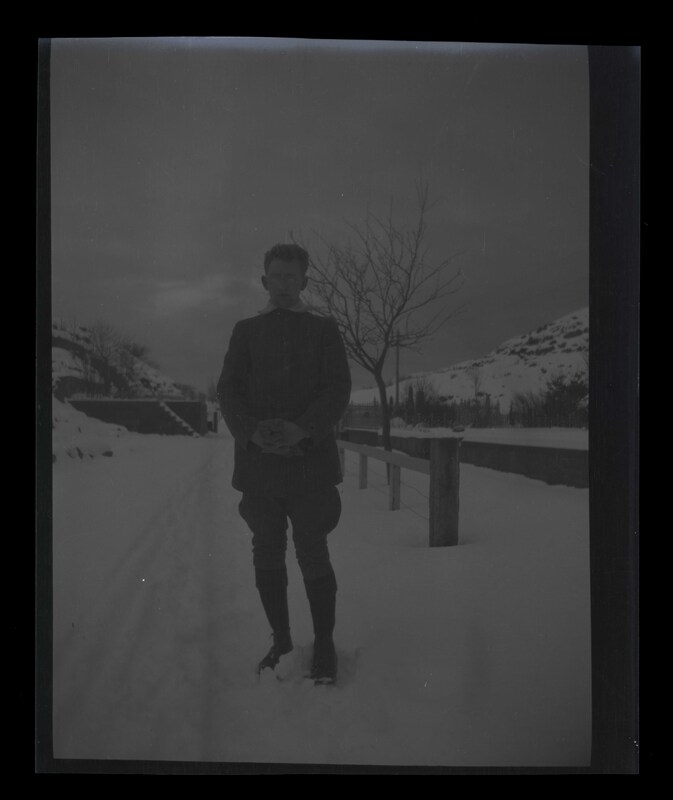
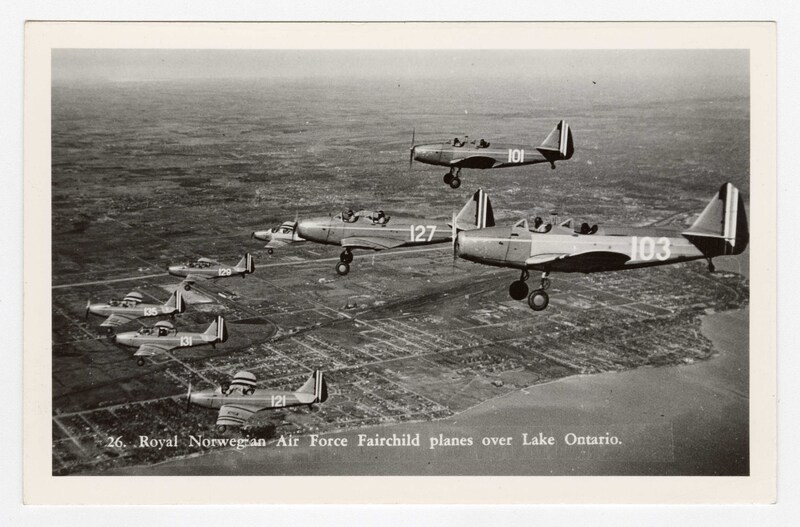
Campbell Norsgaard, a Norwegian-born photographer and cinematographer who later lived in Connecticut, served as the official photographer for the Royal Norwegian Air Force during World War II, documenting servicemen, aircraft, the Royal Family, training facilities, and international operations, before later producing nature films for the National Geographic Society. His collection includes color slides, transparencies, and black-and-white negatives from Canada, India, Norway, England, and beyond, featuring aerial views, portraits, wartime activities, the return of King Haakon VII, and Sigrid Undset’s travels, as well as signed pilot portraits; it also contains nineteen 16mm films (1942–1946) depicting Camp Little Norway, the Royal Family, the RNAF, and postwar events in Norway and Russia.
Reverend Fredrich August Schmidt was born on January 3, 1837 in Thüringen, Germany. He graduated in 1853 from Concordia College. Four years later he finished seminary work at Concordia and became minister to a German congregation in Eden, NJ. In 1861, Schmidt became associated with the Norwegian church when he started teaching at Halfway Creek, near La Crosse. The next year, the school renamed itself Luther College and moved to Decorah, Iowa. Schmidt was an instructor at Luther College until 1872. After his stint at Luther College, he took a professorship in Concordia Seminary in St. Louis, which was then supported by the Norwegian synod. Rev. Schmidt headed the faction that left the synod in 1886 and organized "The anti-Missourian Brotherhood." In that year he also became a theological instructor at St. Olaf's College, Northfield, Minnesota, for this faction.
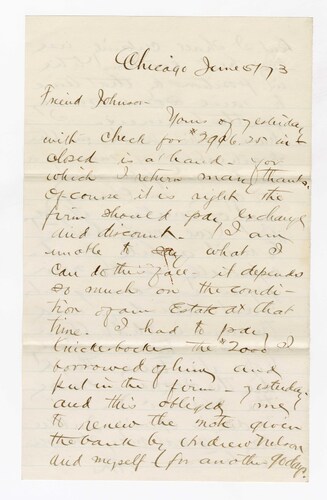
John Anders Johnson was born in Telemark, Norway, on April 15, 1832, and emigrated with his family to the United States in 1844, later settling near Koshkonong, Wisconsin. After the deaths of his first wife, Karen Thompson, and their daughter in 1860, he remarried Kaia Nicoline Kildahl in 1861 and had six children. Johnson became a prominent Norwegian-American businessman, founding companies such as Fuller & Johnson Manufacturing Company, Gisholt Machine Company, and Hekla Fire Insurance Company, and serving as president of the National Association of Implement and Vehicle Manufacturers in 1896. He was also active in politics and public life, serving in the Wisconsin legislature and as county clerk, writing on major social and political issues, helping found the Chicago newspaper Amerika, and supporting institutions like the University of Wisconsin.
From the Knut Gjerset papers on women and Norwegian American Encyclopedia.
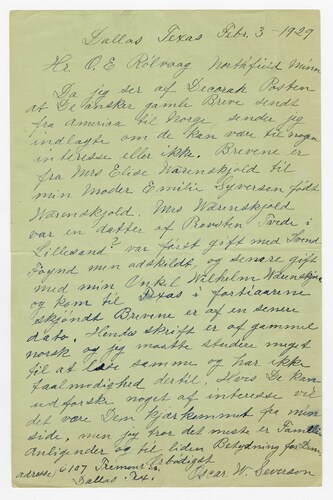
Letters and other writings regarding Wilhelm and Elise Waerenskjold. A pastor's daughter, Elise lead a party emigrating to Texas between October 1846 and March 1847. The Waerenskjolds married in 1848, settling at Four Mile Prairie. Her letters and other writings serve as a primary source of information about the Norwegians who settled in Texas.
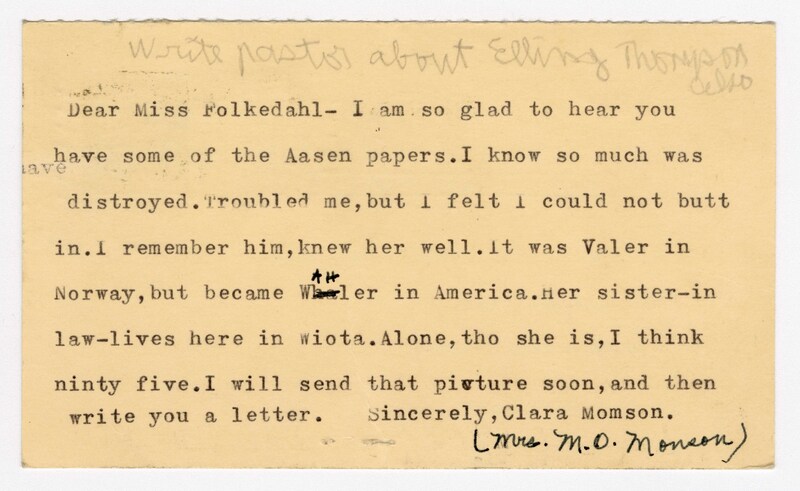
Mainly correspondence of a Norwegian-born farmer in Wiota, La Fayette County, Wisconsin. The letters, written by relatives and friends from California, Iowa, Nevada, Illinois, Minnesota, South Dakota, and Wisconsin, present a picture of the migration movement in its various aspects in both country and town. There are also letters by a student at Mount Horeb Academy (1895-1896).
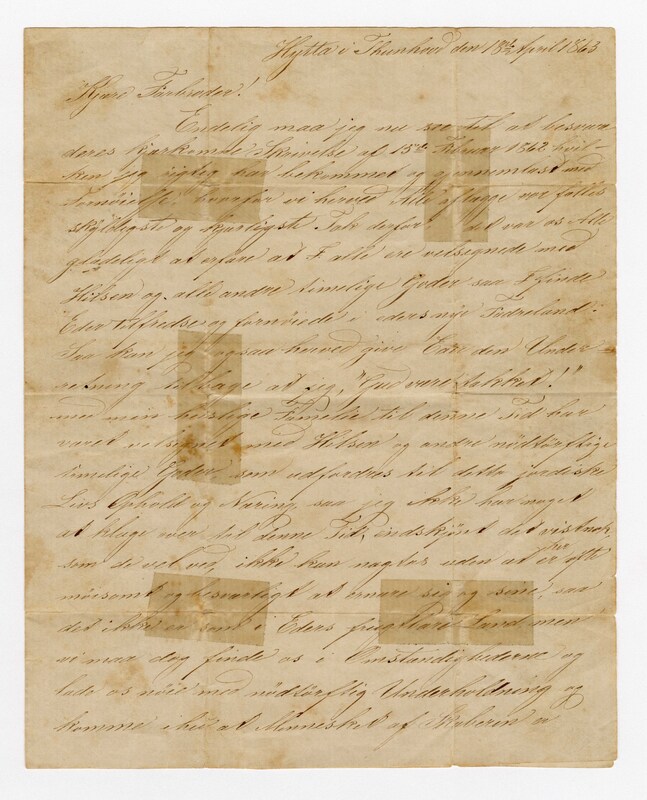
Letter (April 18, 1863) from a Thunhovd, (Buskerud) Norway, resident to his "farbroder" Knudt Synstegaard, Orfordville, Wisconsin, concerning weather, health, farming, and an inquiry about the Civil War.
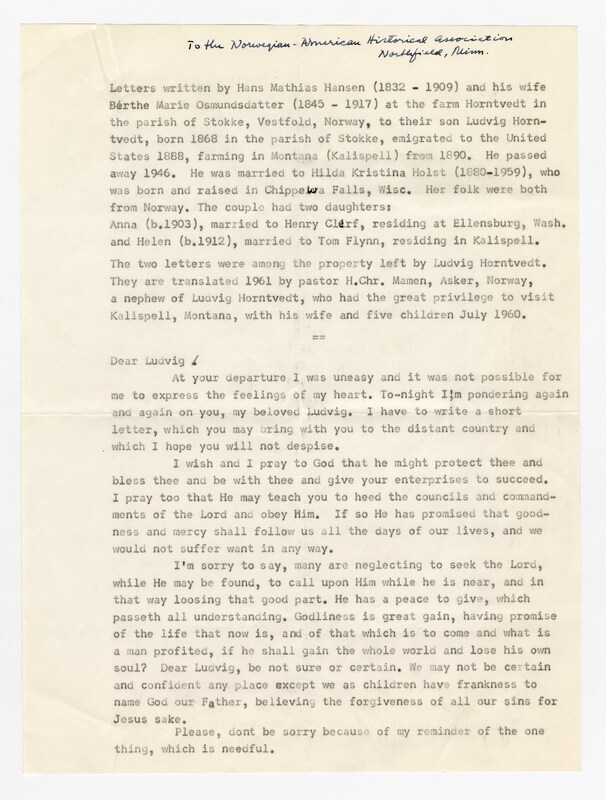
Translated copy of letters received by a Kalispell, Montana, farmer from his parents (of Stokke, Vestfold) at his departure to America. For Horntvedt family history, see "Aette historie og familie register av slegterne Mokkenes, Horntvedt, Myrre og Gjein."
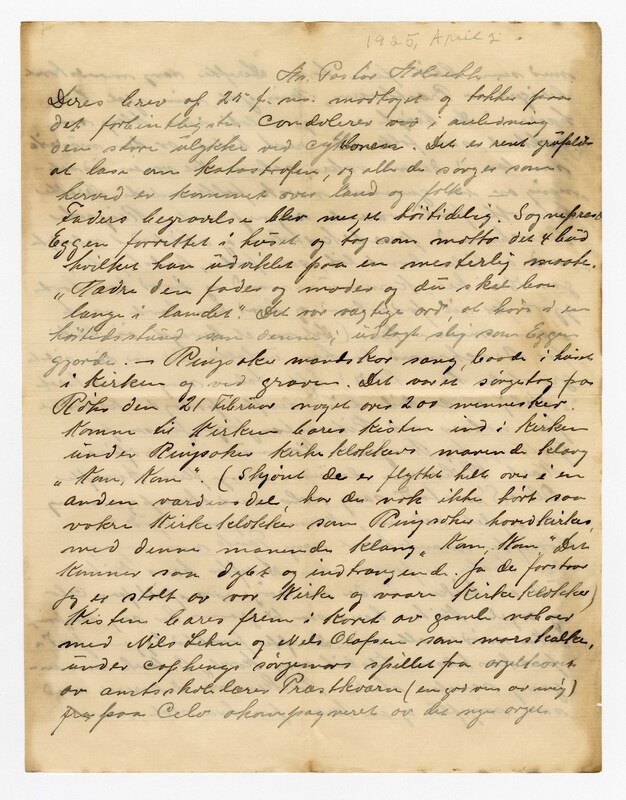
Papers of a Norwegian-born Lutheran clergyman: correspondence, school notebooks, and a manuscript (44 p.) of his translation (portions of Joh. Ludwig Hartmann's (1640-84), "Evangelisk Troesgrund," from German to Norwegian.
The catalog record for the Mikel C. Holseth papers can be found online here.
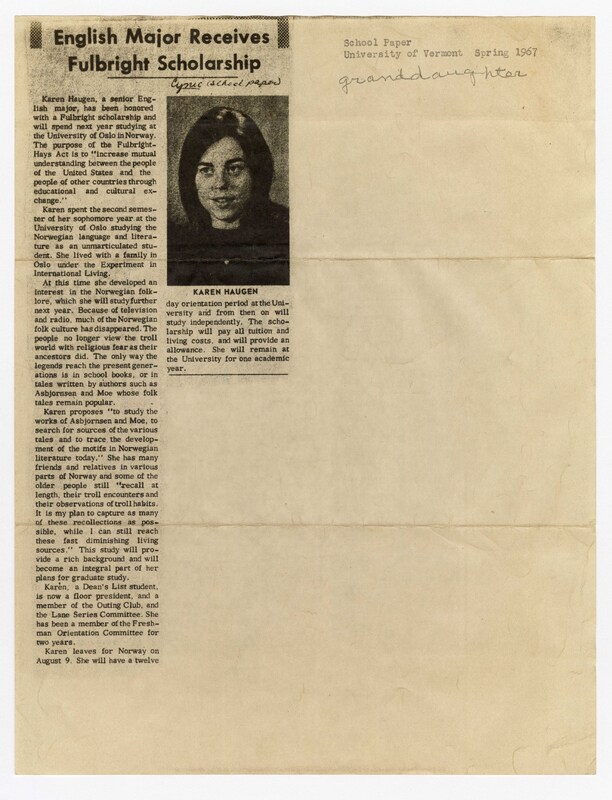
Correspondence and assorted papers of a pharmacist and administrator of the St. Paul Luther Hospital. Includes a small booklet for the Woman's Club (1910-1911) Dell Rapids, S.D.; class notes from the University of Minnesota, Department of Medicine, 1895; clipping on Karen Haugen.
The catalog record to the John E. Haugan collection can be found online here.
Ole Olsen was born on March 12, 1871, in Oslo, Norway, to Marie Gulbrandsdatter and Edvart Olsen and grew up with five siblings. In 1890, he emigrated to the United States with his sister Bertha, arriving in New York before traveling through several cities across the country. Olsen worked as a machinist in places such as Laredo, Wilmington, and Philadelphia, served in the U.S. Revenue Cutter Service during the Spanish-American War, and later worked as an engineer on coastal steamships. In 1905 he married Emma Noble in Philadelphia, and they had a daughter, Ena (Ina) Frances Olsen, born in 1906. He was also a member of the Socialist Party of America.
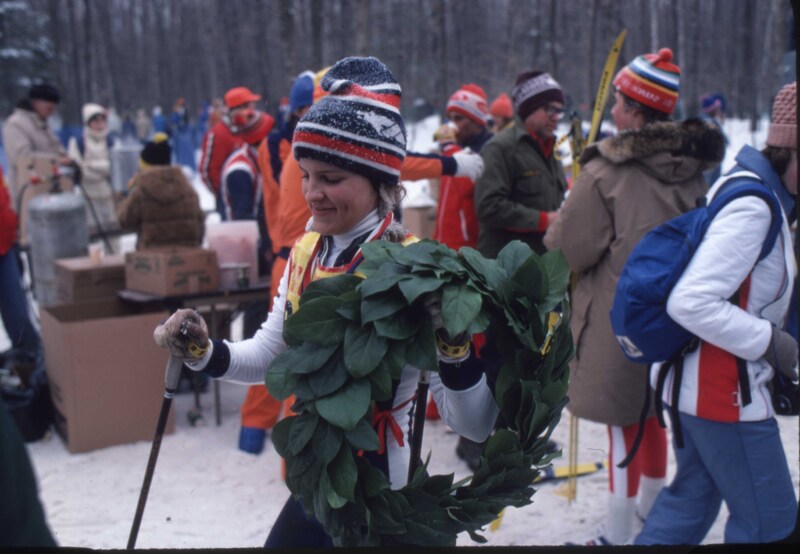
The American Birkebeiner was started in 1973 by Tony Wise, a founding member of the Worldloppet federation of cross-country ski marathons. The race is held in February in Hayward, WI. Wise drew on his Norwegian heritage in starting a race named after a famous event in Norway. The American Birkebeiner, also called Birke, is named after Norwegian Birkebeinerrennet. This race commemorates an important historical event when in 1206 a group of Birkebeiner party soldiers, who fought for Sverre Sigurdsson and his descendants in the Norwegian civil war, smuggled the illegitimate son of Norway's King Håkon Sverresson from Lillehammer to safety in Trondheim.
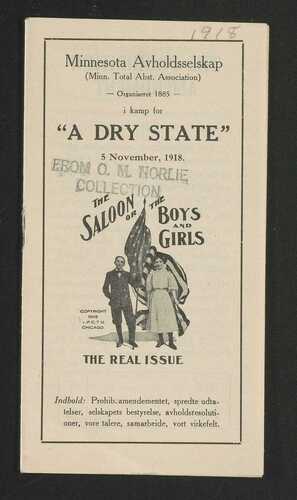
Articles, reports, songs, stories, and pamphlets concerning the temperance movement among Norwegian Americans. There are reports from organizations in Alberta, Canada, Minnesota, North Dakota, South Dakota, and Wisconsin, and articles by Waldemar Ager, Adolf Bredesen, Carl E. Carlson, Theodor H. Dahl, Knut Gjerset, Paul M. Glasoe, and Gjermund Hoyme.
Rev. Parelius H. Rognlie was born near Trondhjem, Norway, on December 21, 1858, and immigrated to the United States with his parents in 1870, settling in southeastern and later southwestern Minnesota. He studied at St. Olaf College and Luther College, supporting himself through teaching and farm work, and briefly returned to Norway in 1885 for eye surgery. After further study, he graduated from Luther Theological Seminary in Minneapolis in 1891 and was ordained that same year as pastor for several congregations in Renville and Sibley counties, Minnesota. He married Ronnaug Marie M. Gullerud, and together they had six children.