Funding to digitize the O.E. Rølvaag Papers was provided to the Norwegian American Historical Association through the Minnesota Arts and Cultural Heritage Fund, a component of the Minnesota Clean Water, Land and Legacy constitutional amendment, ratified by Minnesota voters in 2008.
Funding to digitize the O.E. Rølvaag Papers was provided to the Norwegian American Historical Association through the Minnesota Arts and Cultural Heritage Fund, a component of the Minnesota Clean Water, Land and Legacy constitutional amendment, ratified by Minnesota voters in 2008.
Funding to digitize the O.E. Rølvaag Papers was provided to the Norwegian American Historical Association through the Minnesota Arts and Cultural Heritage Fund, a component of the Minnesota Clean Water, Land and Legacy constitutional amendment, ratified by Minnesota voters in 2008.
Funding to digitize the O.E. Rølvaag Papers was provided to the Norwegian American Historical Association through the Minnesota Arts and Cultural Heritage Fund, a component of the Minnesota Clean Water, Land and Legacy constitutional amendment, ratified by Minnesota voters in 2008.
Funding to digitize the O.E. Rølvaag Papers was provided to the Norwegian American Historical Association through the Minnesota Arts and Cultural Heritage Fund, a component of the Minnesota Clean Water, Land and Legacy constitutional amendment, ratified by Minnesota voters in 2008.
Funding to digitize the O.E. Rølvaag Papers was provided to the Norwegian American Historical Association through the Minnesota Arts and Cultural Heritage Fund, a component of the Minnesota Clean Water, Land and Legacy constitutional amendment, ratified by Minnesota voters in 2008.
Funding to digitize the O.E. Rølvaag Papers was provided to the Norwegian American Historical Association through the Minnesota Arts and Cultural Heritage Fund, a component of the Minnesota Clean Water, Land and Legacy constitutional amendment, ratified by Minnesota voters in 2008.
Funding to digitize the O.E. Rølvaag Papers was provided to the Norwegian American Historical Association through the Minnesota Arts and Cultural Heritage Fund, a component of the Minnesota Clean Water, Land and Legacy constitutional amendment, ratified by Minnesota voters in 2008.
Funding to digitize the O.E. Rølvaag Papers was provided to the Norwegian American Historical Association through the Minnesota Arts and Cultural Heritage Fund, a component of the Minnesota Clean Water, Land and Legacy constitutional amendment, ratified by Minnesota voters in 2008.
Funding to digitize the O.E. Rølvaag Papers was provided to the Norwegian American Historical Association through the Minnesota Arts and Cultural Heritage Fund, a component of the Minnesota Clean Water, Land and Legacy constitutional amendment, ratified by Minnesota voters in 2008.
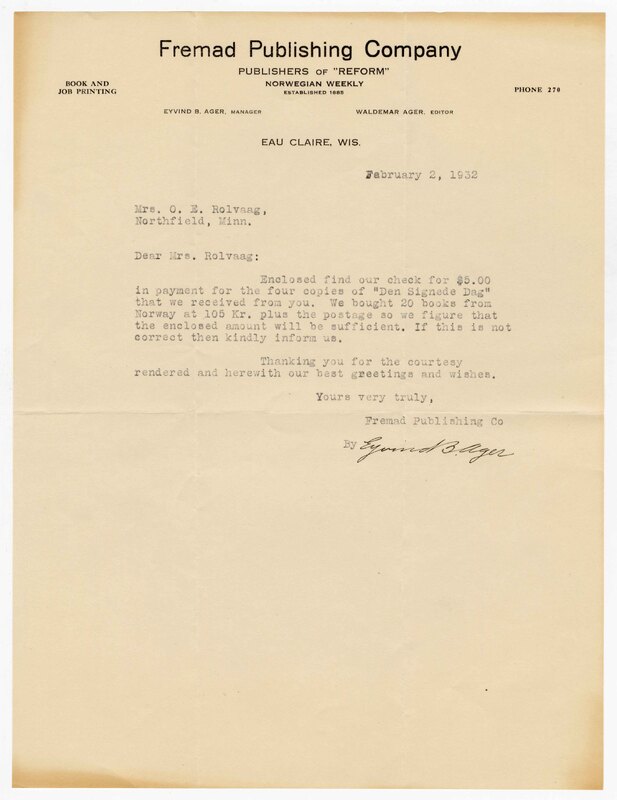
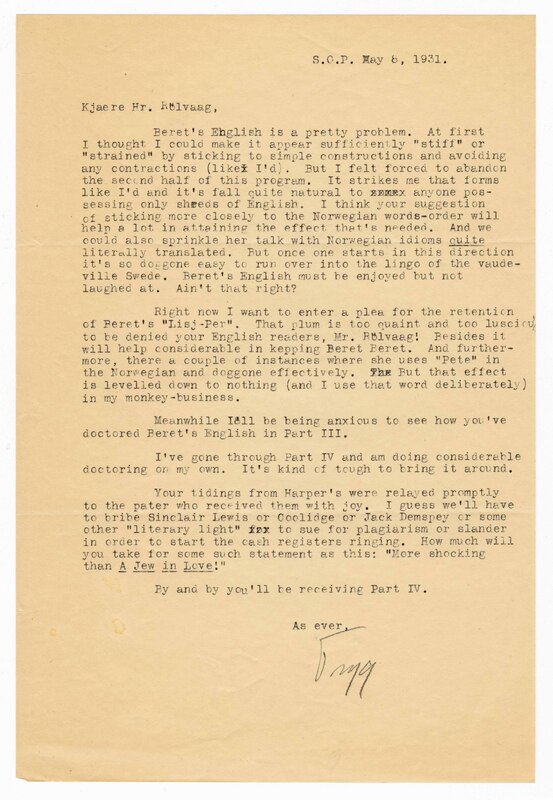
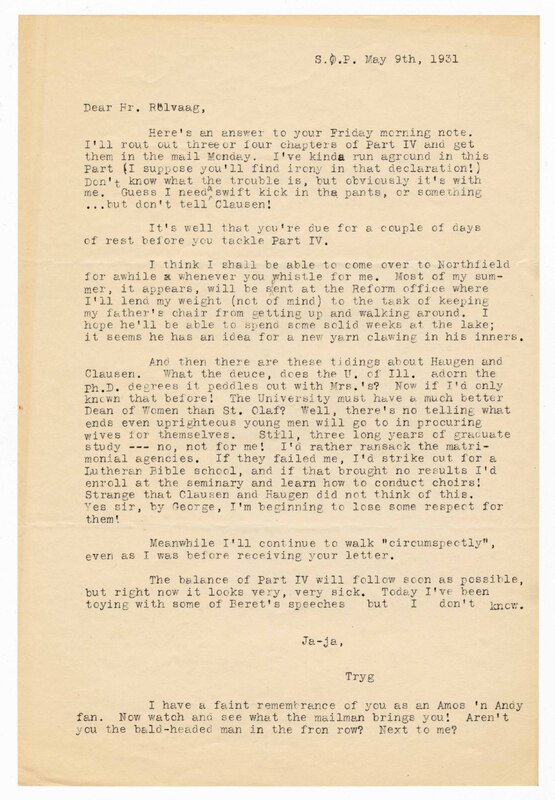
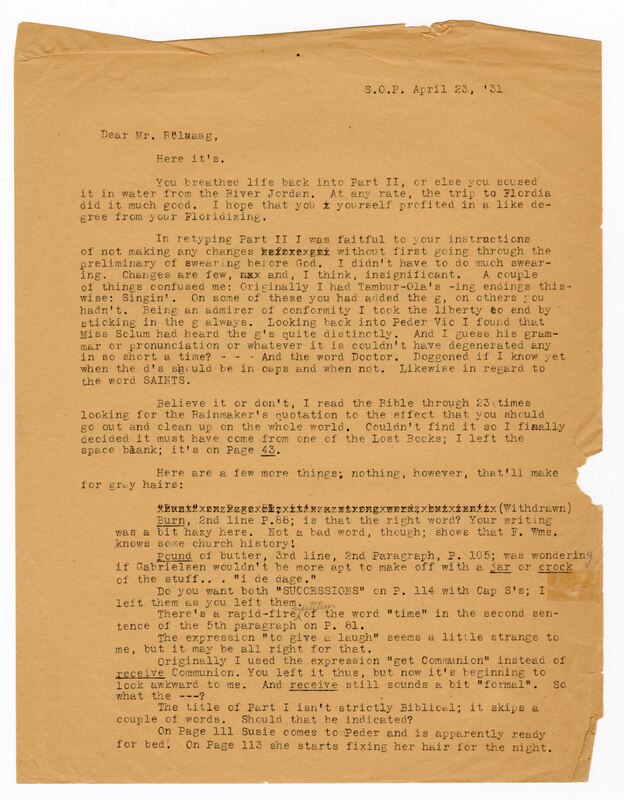
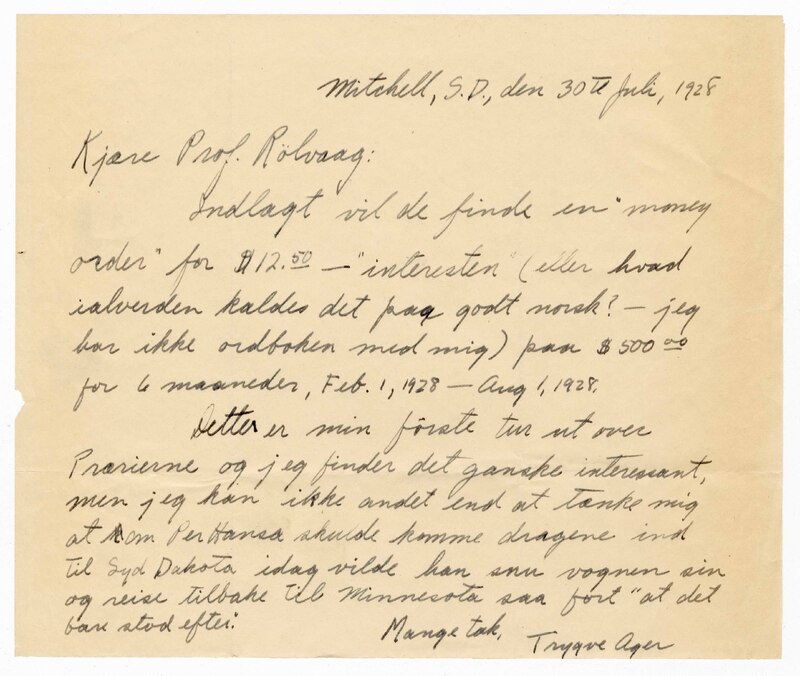
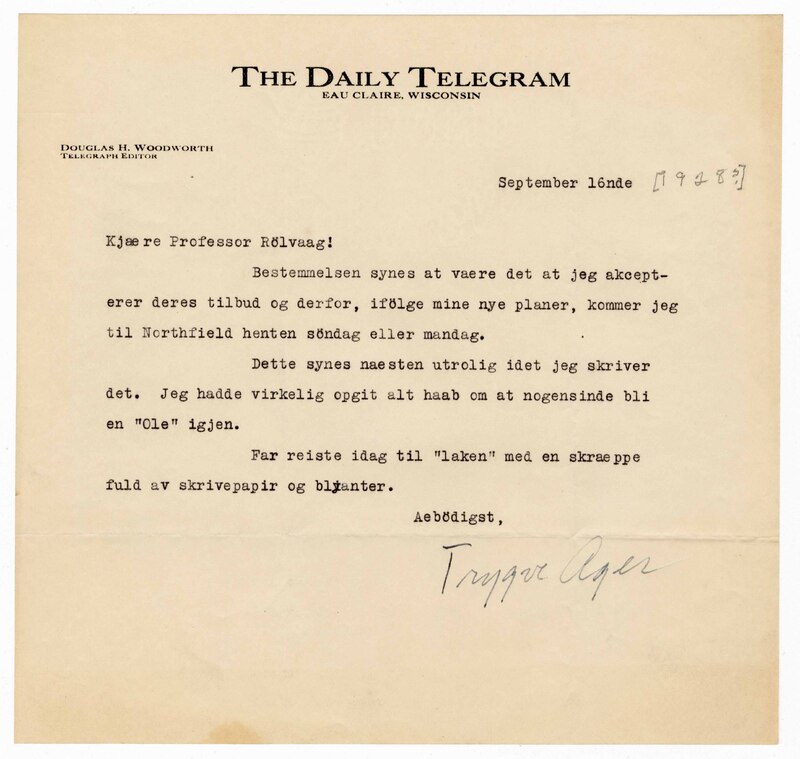
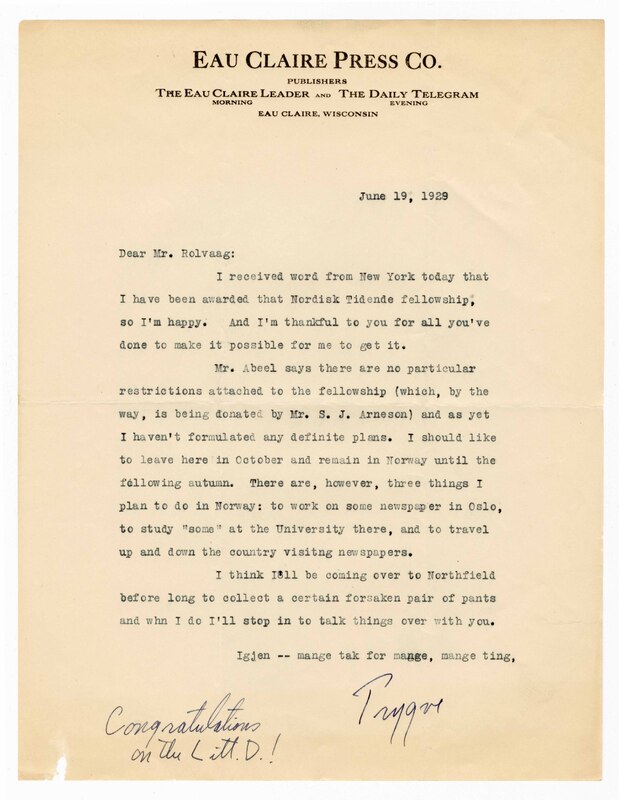
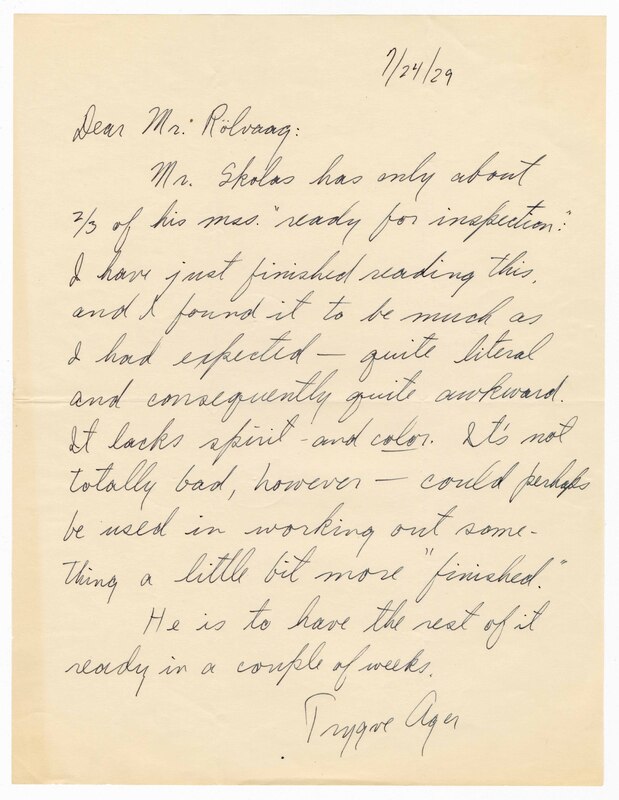
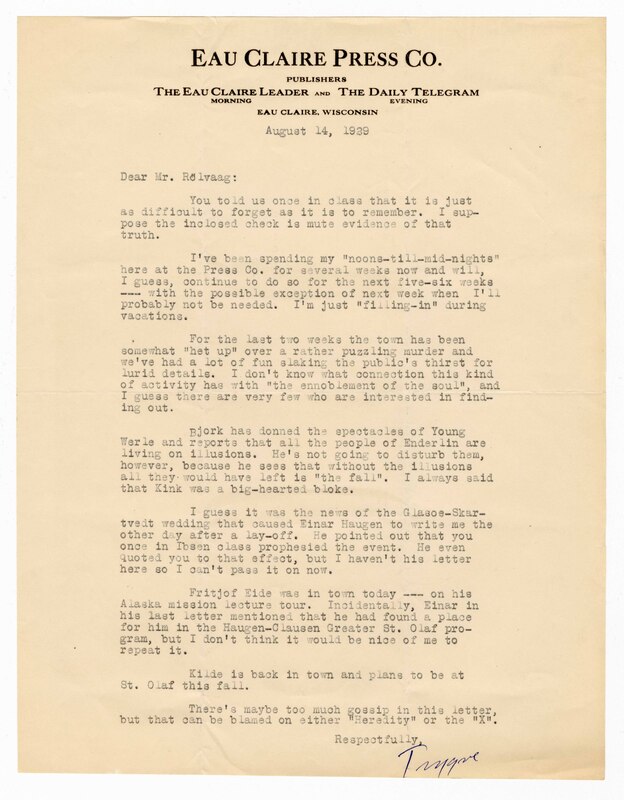
Trygve Ager was in Eau Claire, Wisconsin to Waldemar Ager and Gurolle Johanna Blestren. He graduated from St. Olaf College in 1929 and the same year studied journalism under a Scandinavian-American Foundation fellowship in Norway. He returned to the United States where he was copy editor for Nordisk Tidende, a Norwegian newspaper at Brooklyn, N. Y. and a small newspaper at Tenafly, N. J. until 1938.
Trygve Ager was in Eau Claire, Wisconsin to Waldemar Ager and Gurolle Johanna Blestren. He graduated from St. Olaf College in 1929 and the same year studied journalism under a Scandinavian-American Foundation fellowship in Norway. He returned to the United States where he was copy editor for Nordisk Tidende, a Norwegian newspaper at Brooklyn, N. Y. and a small newspaper at Tenafly, N. J. until 1938.
Trygve Ager was in Eau Claire, Wisconsin to Waldemar Ager and Gurolle Johanna Blestren. He graduated from St. Olaf College in 1929 and the same year studied journalism under a Scandinavian-American Foundation fellowship in Norway. He returned to the United States where he was copy editor for Nordisk Tidende, a Norwegian newspaper at Brooklyn, N. Y. and a small newspaper at Tenafly, N. J. until 1938.
Trygve Ager was in Eau Claire, Wisconsin to Waldemar Ager and Gurolle Johanna Blestren. He graduated from St. Olaf College in 1929 and the same year studied journalism under a Scandinavian-American Foundation fellowship in Norway. He returned to the United States where he was copy editor for Nordisk Tidende, a Norwegian newspaper at Brooklyn, N. Y. and a small newspaper at Tenafly, N. J. until 1938.
Trygve Ager was in Eau Claire, Wisconsin to Waldemar Ager and Gurolle Johanna Blestren. He graduated from St. Olaf College in 1929 and the same year studied journalism under a Scandinavian-American Foundation fellowship in Norway. He returned to the United States where he was copy editor for Nordisk Tidende, a Norwegian newspaper at Brooklyn, N. Y. and a small newspaper at Tenafly, N. J. until 1938.
Trygve Ager was in Eau Claire, Wisconsin to Waldemar Ager and Gurolle Johanna Blestren. He graduated from St. Olaf College in 1929 and the same year studied journalism under a Scandinavian-American Foundation fellowship in Norway. He returned to the United States where he was copy editor for Nordisk Tidende, a Norwegian newspaper at Brooklyn, N. Y. and a small newspaper at Tenafly, N. J. until 1938.
Trygve Ager was in Eau Claire, Wisconsin to Waldemar Ager and Gurolle Johanna Blestren. He graduated from St. Olaf College in 1929 and the same year studied journalism under a Scandinavian-American Foundation fellowship in Norway. He returned to the United States where he was copy editor for Nordisk Tidende, a Norwegian newspaper at Brooklyn, N. Y. and a small newspaper at Tenafly, N. J. until 1938.
Trygve Ager was in Eau Claire, Wisconsin to Waldemar Ager and Gurolle Johanna Blestren. He graduated from St. Olaf College in 1929 and the same year studied journalism under a Scandinavian-American Foundation fellowship in Norway. He returned to the United States where he was copy editor for Nordisk Tidende, a Norwegian newspaper at Brooklyn, N. Y. and a small newspaper at Tenafly, N. J. until 1938.