NAHA is excited to share that the World War II materials in the Jacob Stefferud Papers are now accessible online! This is the fourth collection completed for NAHA’s World War II Digitization Project, making these important archives available on our website.

This project was made possible through funding from the Minnesota Arts and Cultural Heritage Fund, a component of the Minnesota Clean Water, Land and Legacy constitutional amendment, ratified by Minnesota voters in 2008.
Close Ties During Wartime
The Jacob Stefferud Papers preserve the work of a remarkable individual. This Norwegian-born Minneapolis resident led numerous organizations that strengthened the close bond between Norway and the United States during World War II.
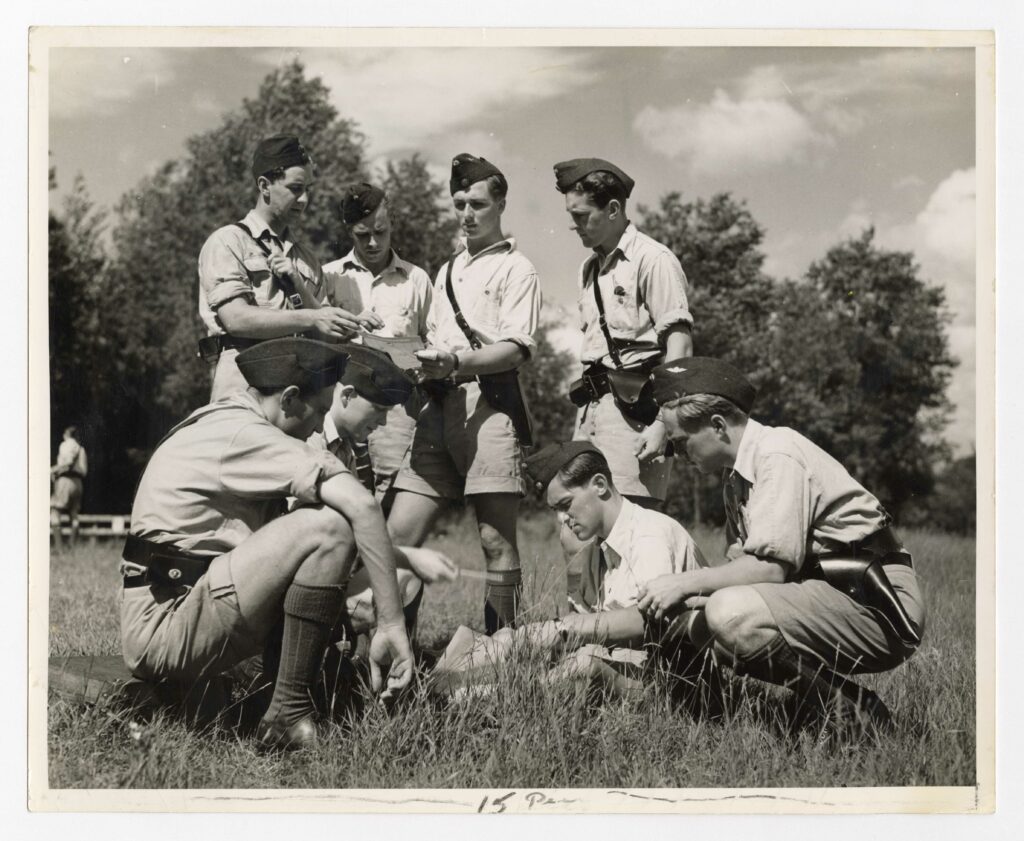
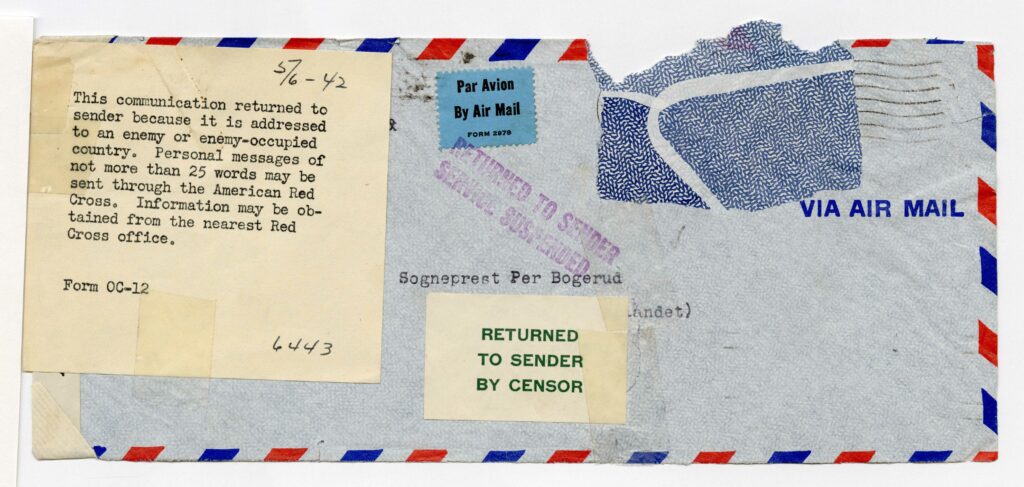
The items in his archival collection–16 reels of rare film, photographs of Norwegian pilots, speeches from fundraising events, and correspondence with relief organizers, government officials, and family–reveal the story of Norwegian Americans on the home front.
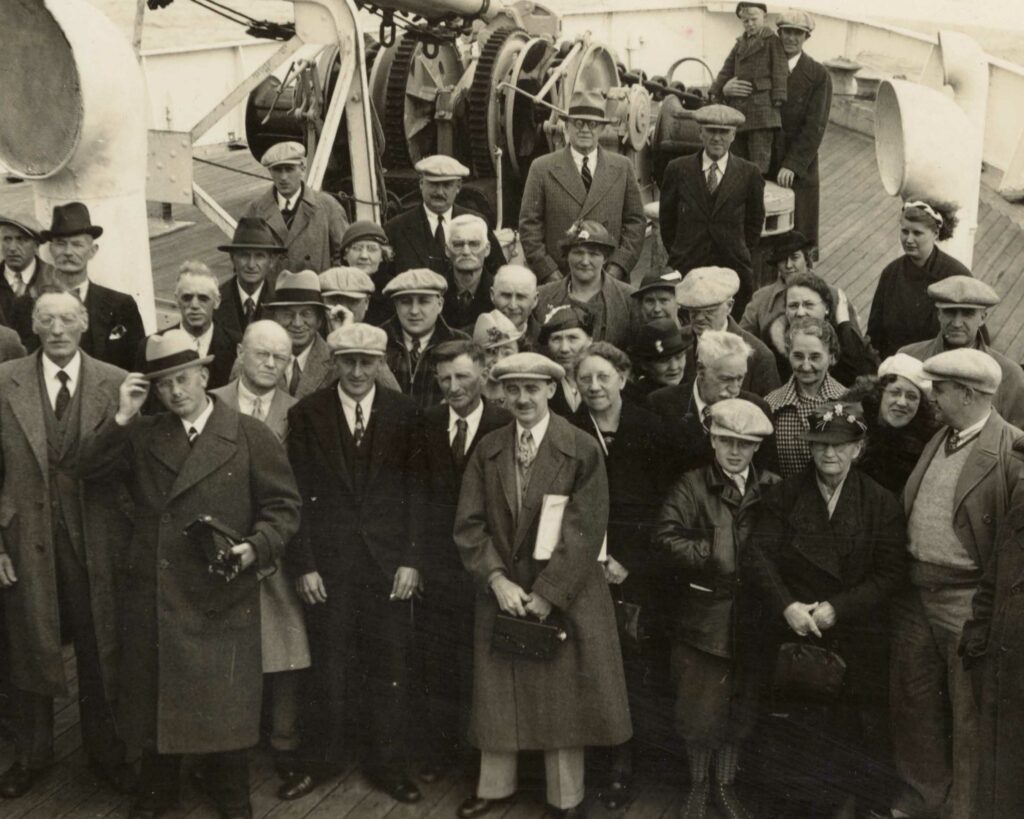
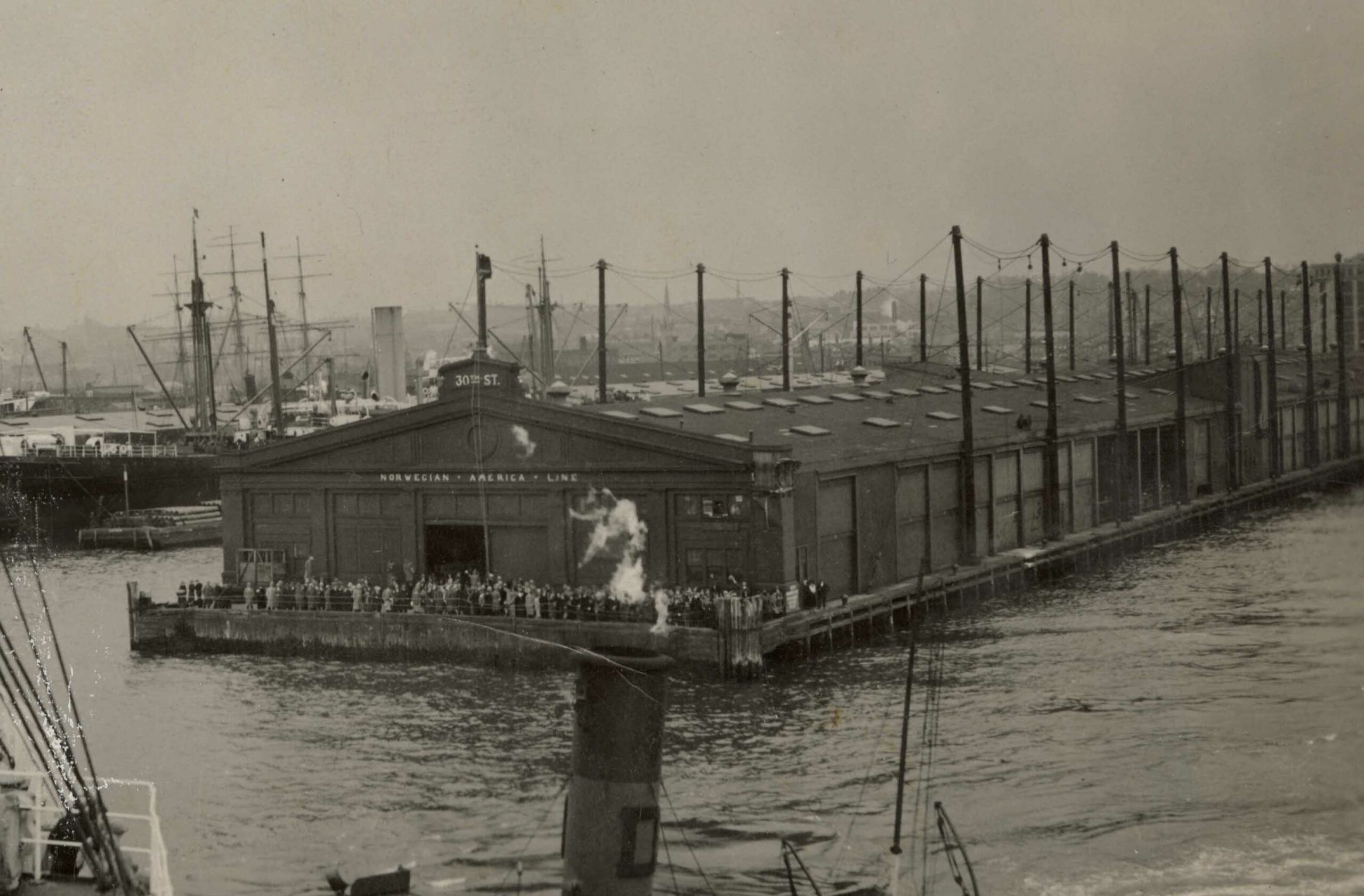
Jacob Stefferud immigrated to America from Oslo in 1913. He quickly started his lifelong career as a manager for the Norwegian America Line, a passenger and shipping line connecting the United States and Norway.
When World War II reached Norway’s shores, Stefferud was determined to help his homeland. He worked tirelessly for a network of Norwegian American groups mobilizing for the Allied cause. Serving on the national board of the Camp Little Norway Association, he raised money for the Royal Norwegian Air Force’s training camp in Canada. (See the Camp Little Norway Association Digital Collection.)
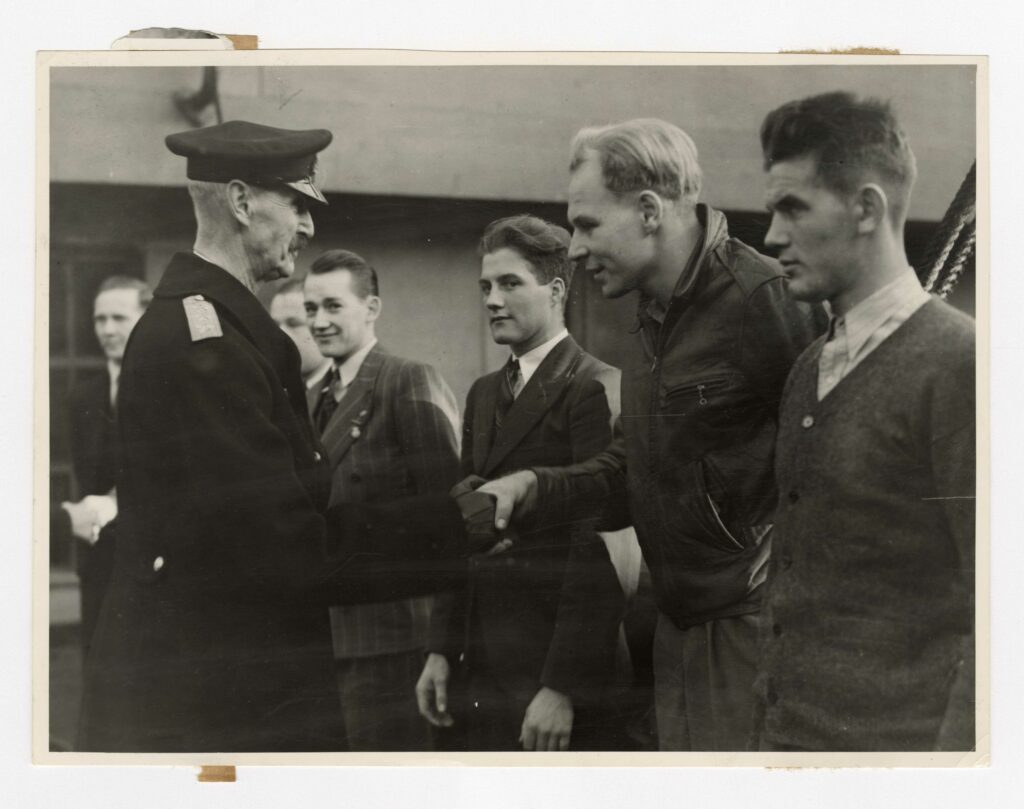
In 1941, Stefferud stepped into the role of Acting Consul for Norway in Minneapolis. He bolstered diplomatic ties with the Norwegian government-in-exile. He also ran the city’s Royal Norwegian Information Service, keeping the American public informed of Norway’s plight.
Stories From Occupied Norway
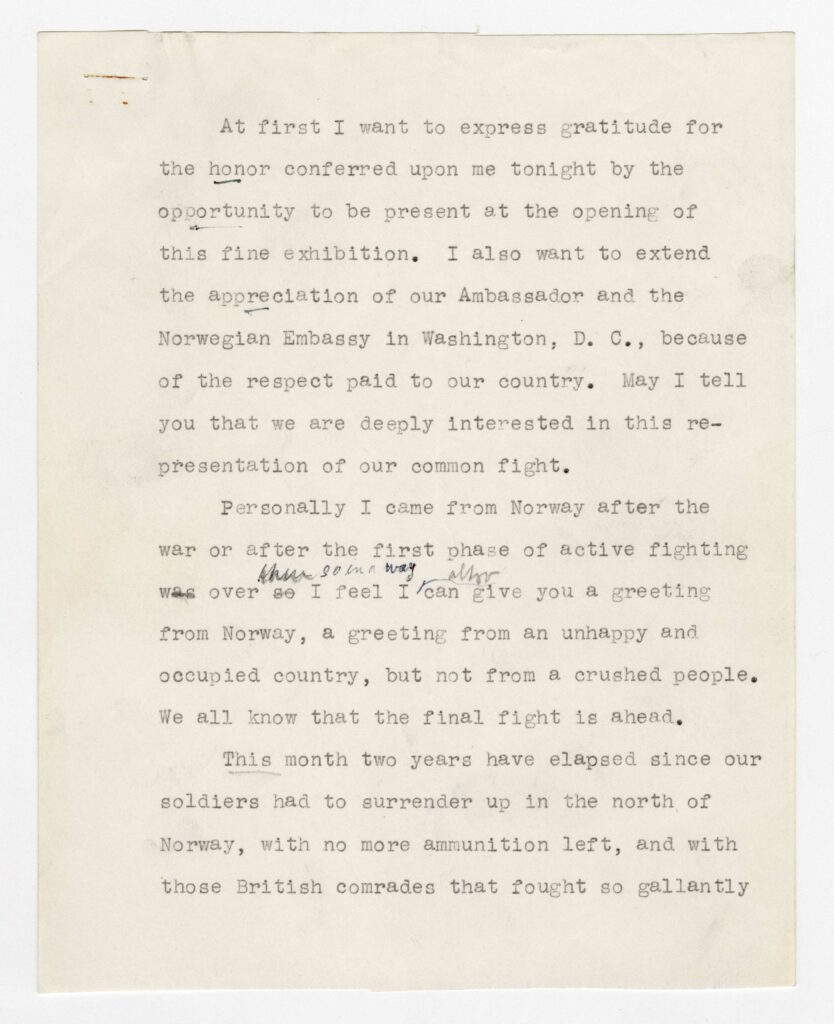
Jacob Stefferud organized lectures by politicians, military members, and escapees of occupied Norway. Their notes ended up in Stefferud’s collection. One of these Norwegian speakers was the mayor of Narvik, Theodor Broch.
When Nazi Germany invaded Norway on April 9, 1940, they attacked the northern port city of Narvik. The city’s mayor did his best to take care of Narvik’s residents during the ensuing occupation. But when Theodor Broch also assisted Allied forces, German officers arrested him. He decided to risk a harrowing escape. As he later told an American audience, he noticed a trap door behind a counter in the hotel he was held in. After whispering to a friend outside the window to have a getaway car ready, Broch waited for his guards to become distracted. Then:
“I fled as fast as lightning through that trap door down to the cellar, out to a backyard and around the corner… I threw myself in the bottom of the car and we rushed across the island, picking up my wife and child. In a short time we were all on board a fishing boat putting out to sea.”
He survived a perilous journey over the mountains to Sweden, eventually making it to the United States where he shared his story about Norway’s resistance. Theodor Broch’s speeches are just a glimpse into the fascinating history found in the Jacob Stefferud Digital Collection. With these materials now online, many more stories await discovery.