
NAHA is pleased to announce that we have received a generous grant from the Minnesota Legacy Grant to digitize a portion of our American Relief for Norway, Inc. Papers! The grant will be used to preserve, digitize, and make accessible one important archival collection that documents the relief efforts of Norwegian-Americans for occupied Norway during World War II.

This project was made possible through funding from the Minnesota Arts and Cultural Heritage Fund, a component of the Minnesota Clean Water, Land and Legacy constitutional amendment, ratified by Minnesota voters in 2008.
A Rapid Response to Crisis
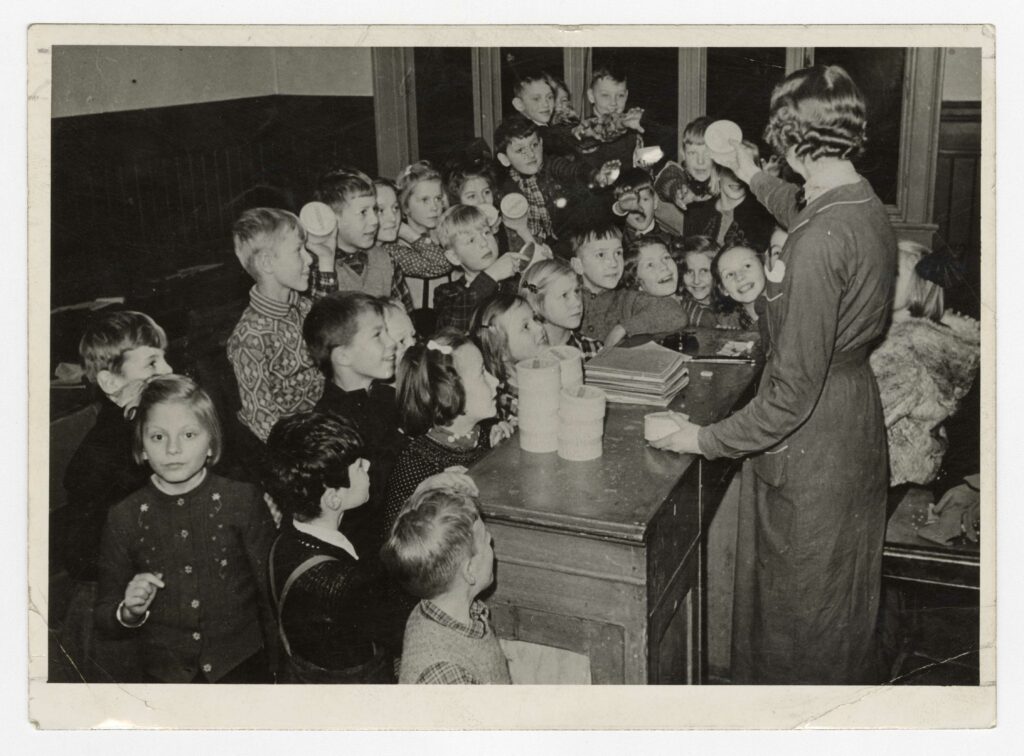
The American Relief for Norway, Inc. Papers document the remarkable efforts of an organization formed just ten days after the German invasion of Norway in 1940. Incorporated with the mission to “relieve distress” among the Norwegian people, American Relief for Norway (ARFN) operated under the licensing authority of the U.S. President’s War Relief Control Board, which oversaw national relief efforts benefiting foreign countries during World War II.
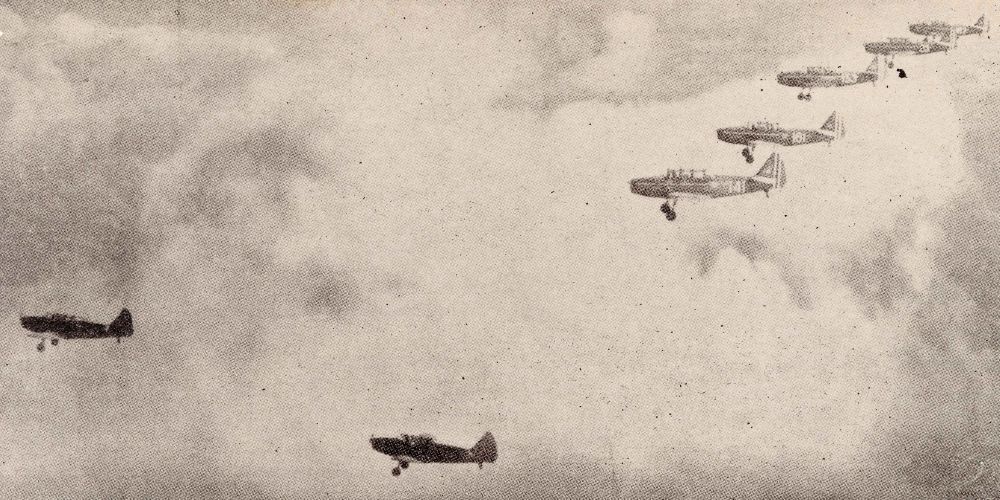
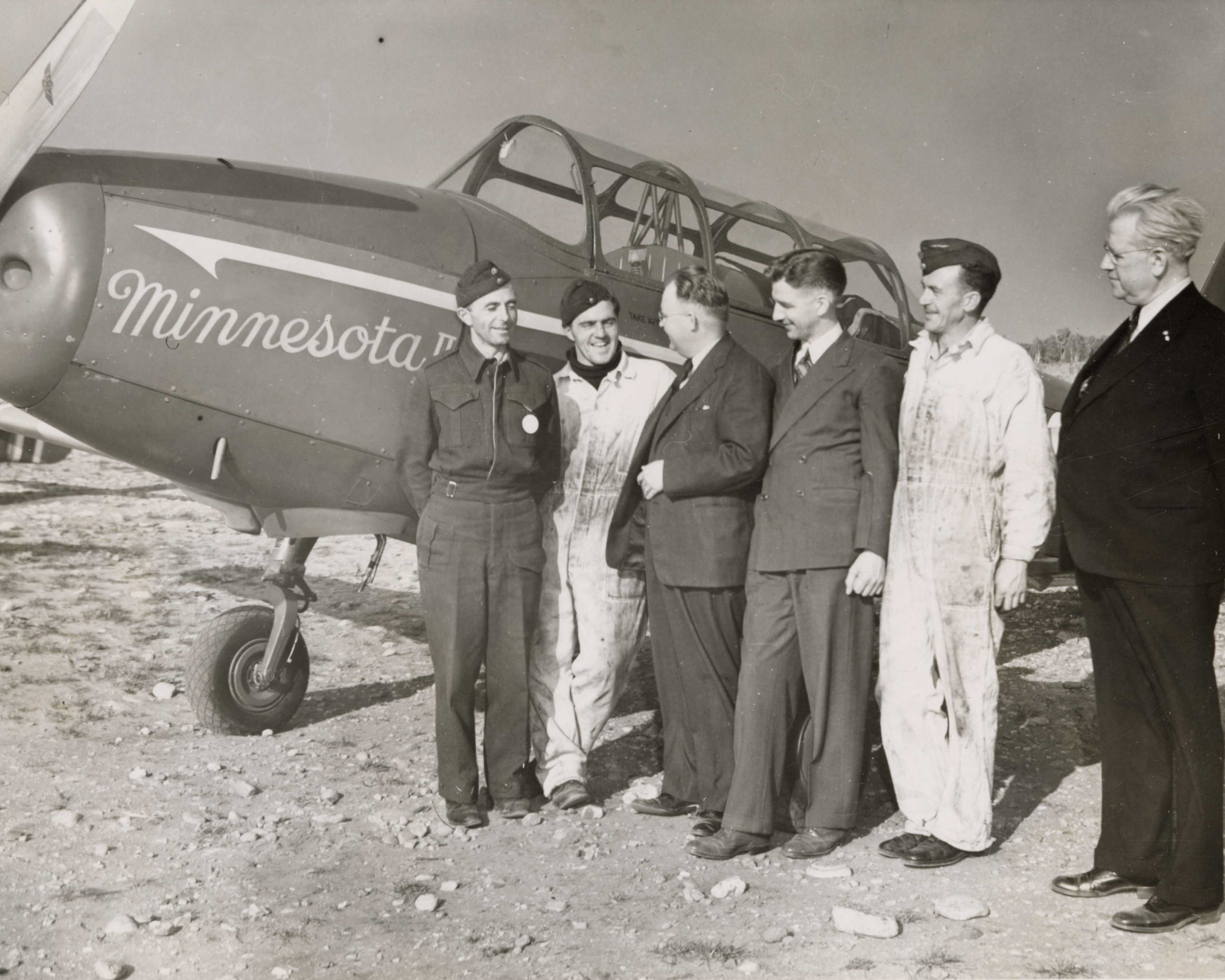
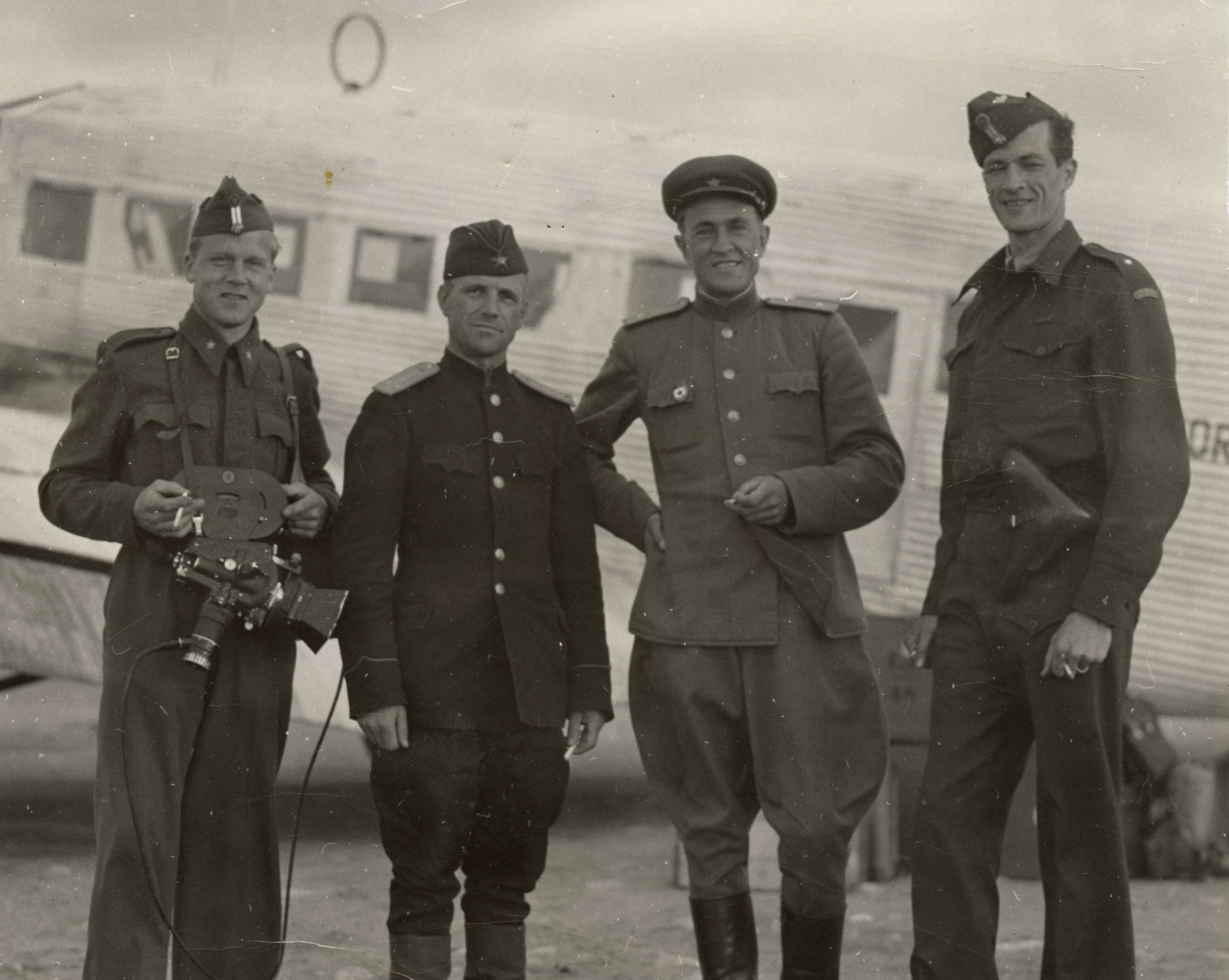
In 1944, ARFN expanded its scope when the Camp Little Norway Association was formally incorporated into the organization. Camp Little Norway had been established to support a Norwegian pilot training camp in Toronto, and its work became closely intertwined with ARFN’s broader relief efforts. By the time the organization dissolved in 1946, ARFN and its affiliated groups had raised an extraordinary $1,359,312—more than $22 million in today’s dollars—to support the people of Norway throughout the years of German occupation.
Although ARFN operated on a national scale, many of its most influential leaders were based in Minnesota, a state with deep and enduring ties to Norwegian heritage. Johan Aasgaard, former president of Concordia College in Moorhead and of the Norwegian Lutheran Church of America, served as ARFN’s president. Other prominent Minnesota figures included Hon. J.A.O. Preus (National Secretary), Jacob Stefferud (Secretary), Albert Lindholm (Director), Anna Fuhr, and numerous others. Several members of the Norwegian American Historical Association’s Executive Board also held positions on ARFN’s executive committee, underscoring the close relationship between the two organizations.
Inside the Collection
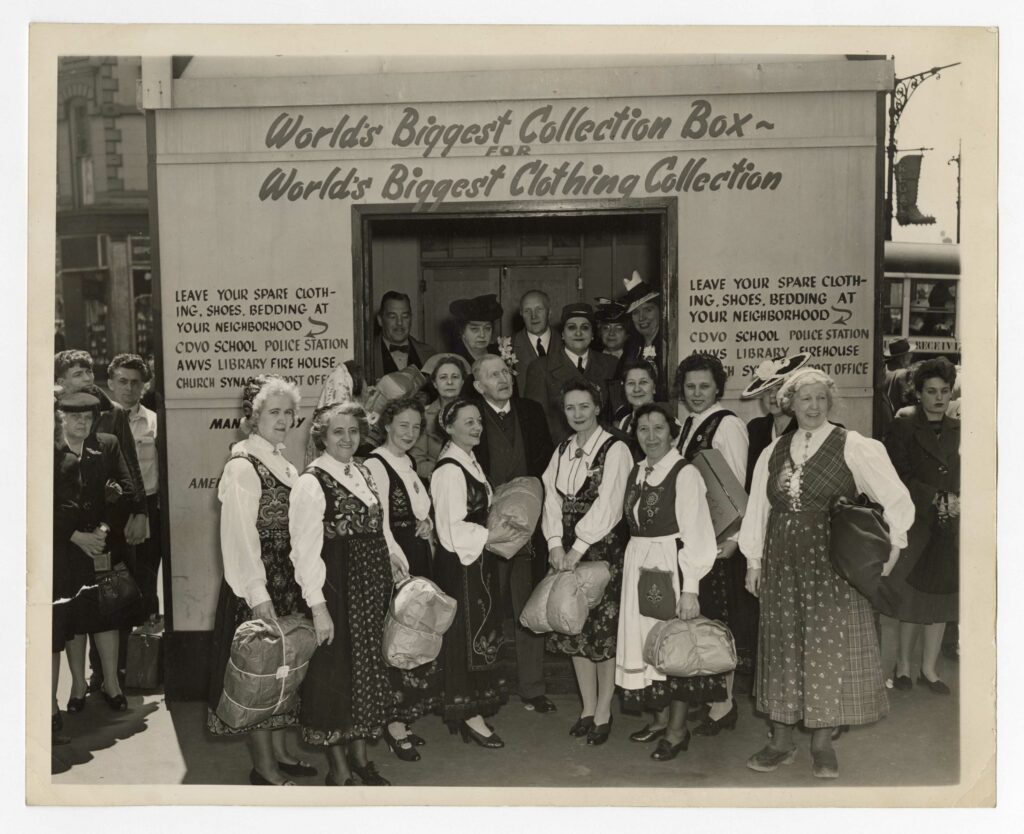
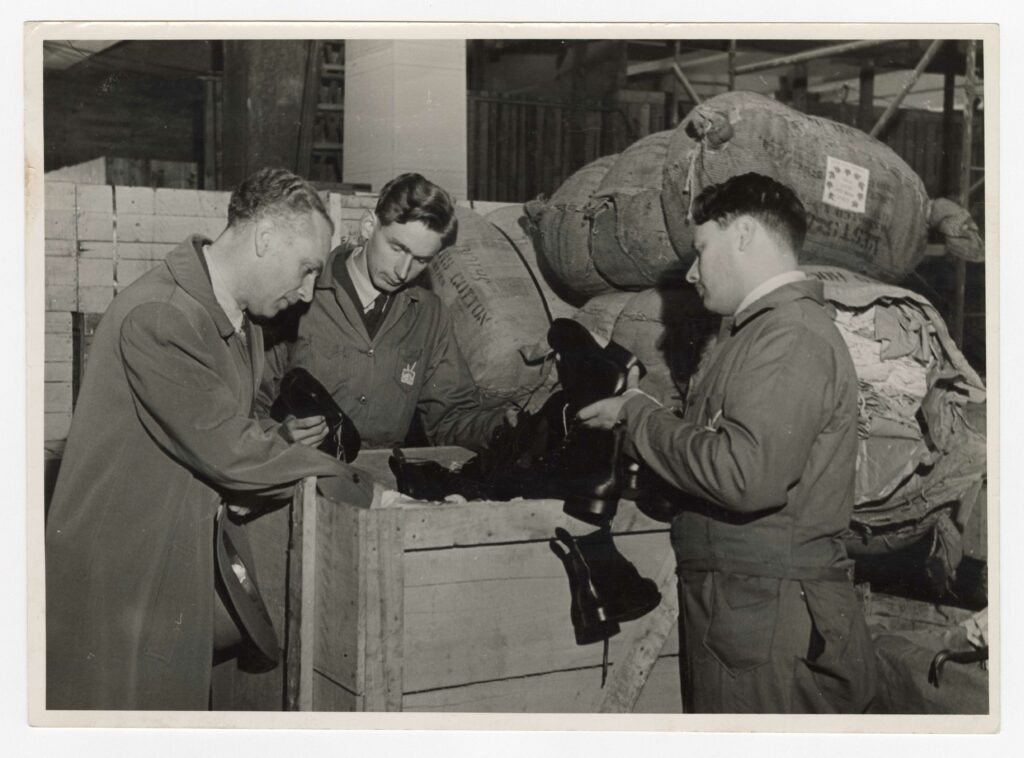
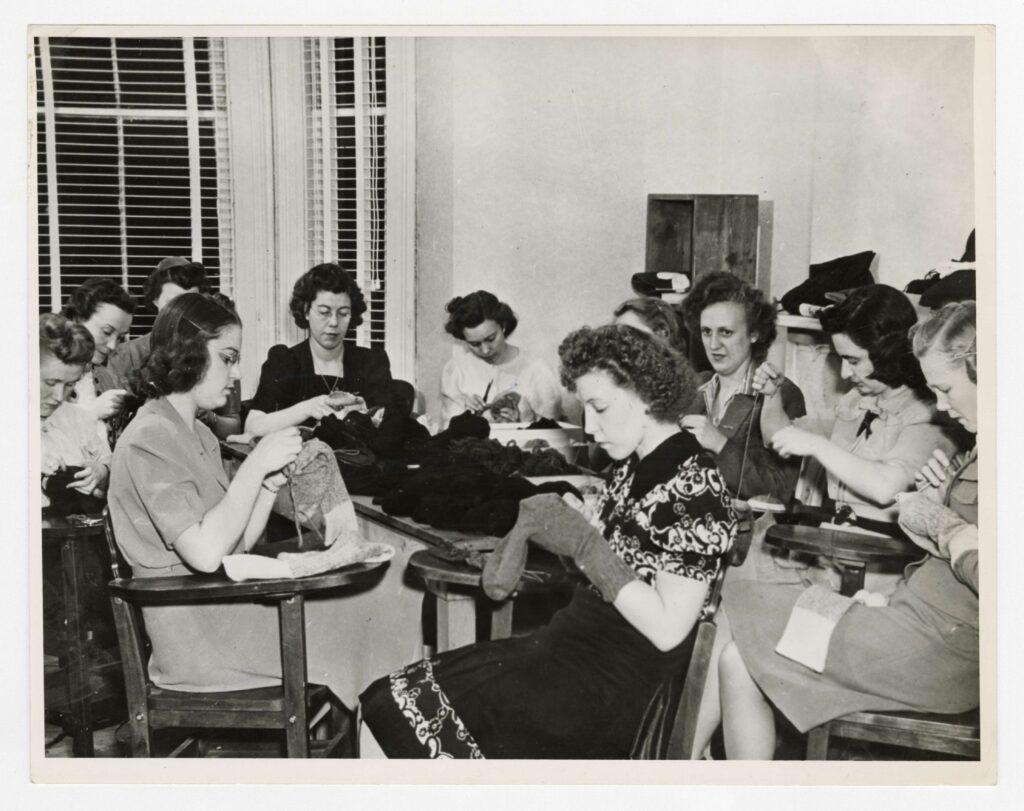
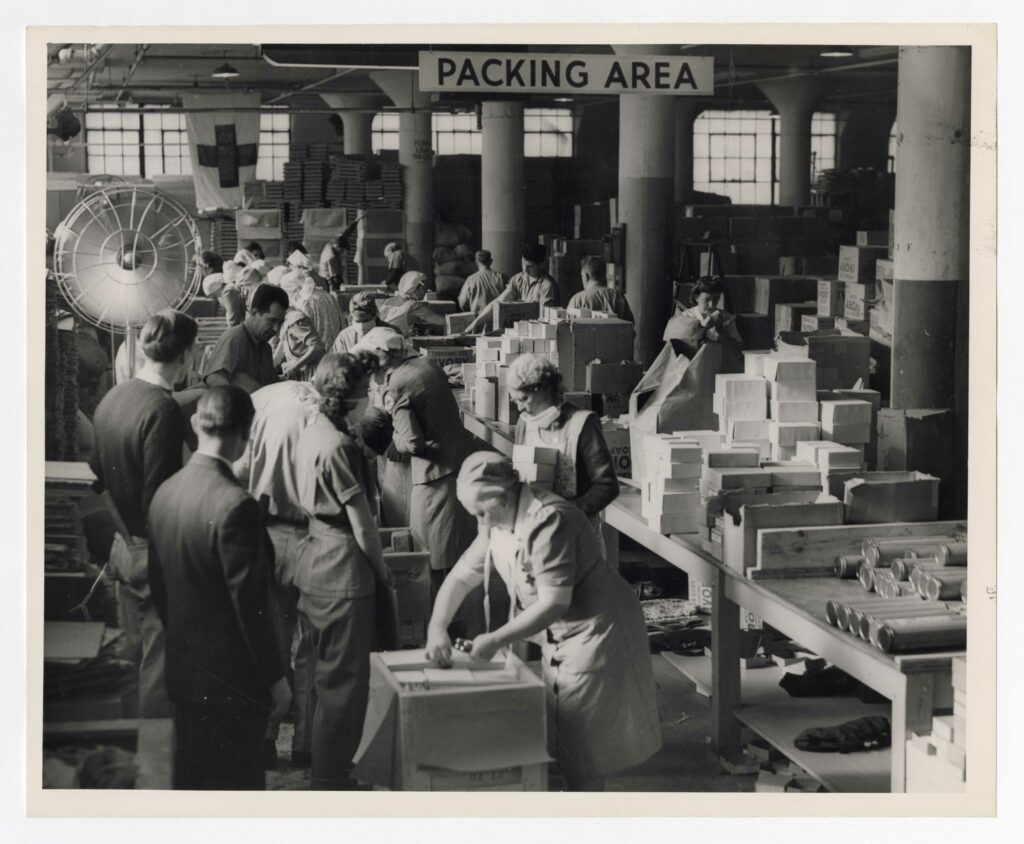
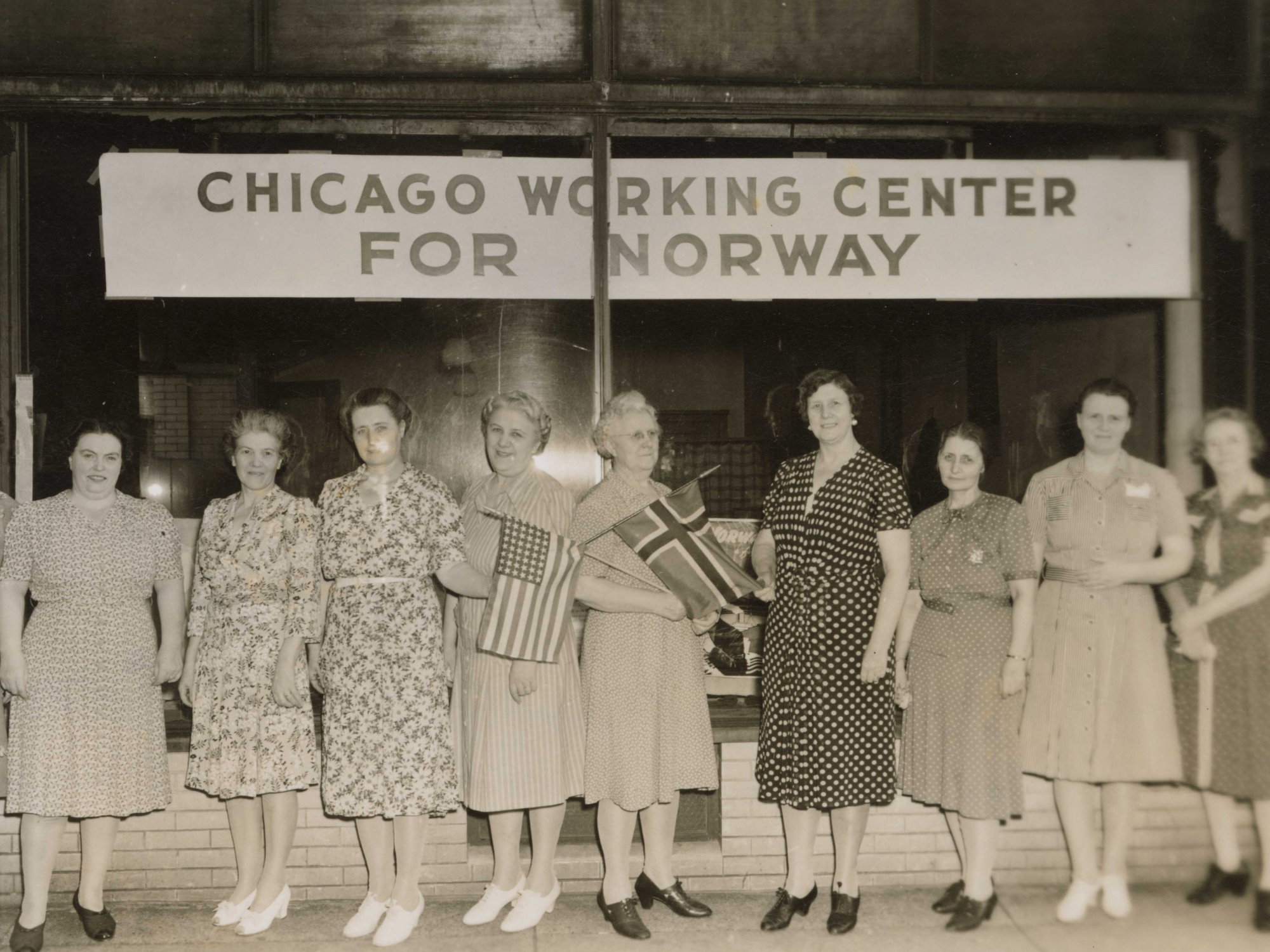
The collection is rich in correspondence, reports, and publicity materials and is organized into five primary areas: clothing drives, executive secretary files, president files, treasurer files, and corporate records. Together, these materials document the logistical and administrative challenges of wartime relief work, including fundraising efforts; the organization of clothing drives; the procurement and distribution of food, clothing, footwear, medicine, and tools; publicity and outreach; storage and transportation obstacles; interactions with government agencies; the consolidation of relief organizations; affiliation with the National War Fund; and the vital role played by women’s groups.
While the primary focus of the collection is Norwegian American war relief, it also includes records related to Swedish, German, British, and Finnish relief efforts. For this digitization project, particular attention is being given to portions of the collection that reflect Minnesota connections, highlighting the state’s central role in mobilizing aid for Norway during one of its most challenging periods.
Explore Digitized World War II Materials
In addition to the American Relief for Norway digitization work, NAHA has completed the digitization of other collections documenting Norwegian American relief effort. Among these is the Jacob Stefferud Papers, supported by a Minnesota Legacy Grant. Stefferud, who also served as secretary of the American Relief for Norway, was a prominent figure in Norwegian American in the Camp Little Norway Association.
Title for This Block
Description for this block. Use this space for describing your block. Any text will do. Description for this block. You can use this space for describing your block.
Title for This Block
Description for this block. Use this space for describing your block. Any text will do. Description for this block. You can use this space for describing your block.
Title for This Block
Description for this block. Use this space for describing your block. Any text will do. Description for this block. You can use this space for describing your block.
Subtitle for This Block
Title for This Block
Text for This Block