The NAHA Archives are open by appointment only. Have questions? Contact us!

-
1950s: Growth in Scholarship of Women’s Ethnic History
The field of women’s ethnic history, which highlighted often-overlooked narratives of women’s experiences, began to grow within the Norwegian-American scholarly community. This movement included contemporary works by Aagot Raaen, as well as the translation and publication of women’s diaries and journals from previous decades.
-
1941-45: Publishing Limited During WWII
The publishing program of NAHA became difficult to sustain due to World War II paper shortages in America. During the war years, only two issues of Studies and Records were published.
-
Blegen Publishes “Norwegian Migration to America”
NAHA Editor Theodore Blegen published “Norwegian Migration to America, 1825-1860” and then in 1940 published “Norwegian Migration to America: The American Transition.” These books were foundational works in Norwegian-American scholarship and shaped the way that Norwegian-American immigration was studied.
-
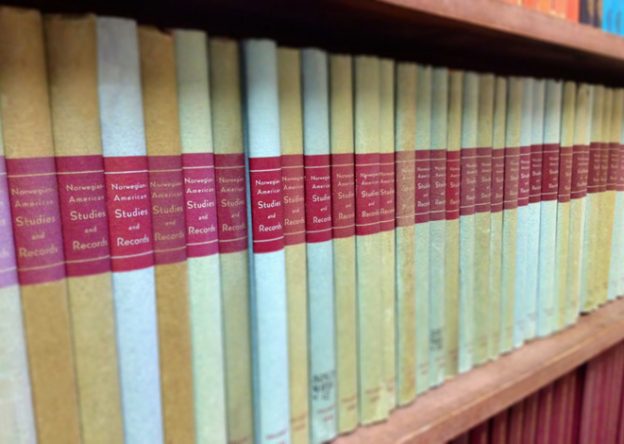
“Norwegian-American Studies” First Published
First volume of “Norwegian-American Studies and Records” was published to detail and interpret the Norwegian-American experience. The journal’s name was later shortened to “Norwegian-American Studies.”
-
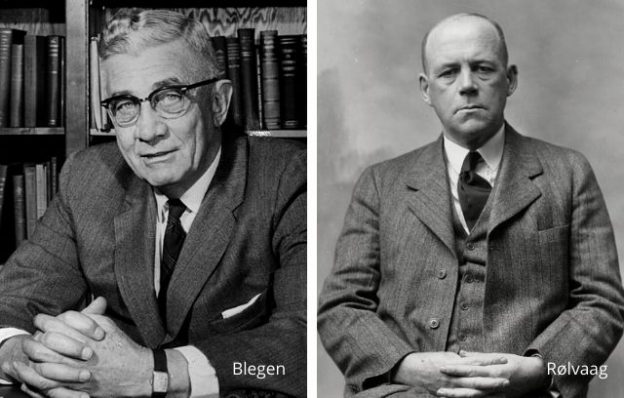
Blegen, Rølvaag Are Leaders of NAHA
Theodore C. Blegen and Ole E. Rølvaag were appointed the first editor and the first general secretary of NAHA, respectively. Blegen shaped the association’s publications program while Rølvaag was dedicated to collecting material for the archives.
-
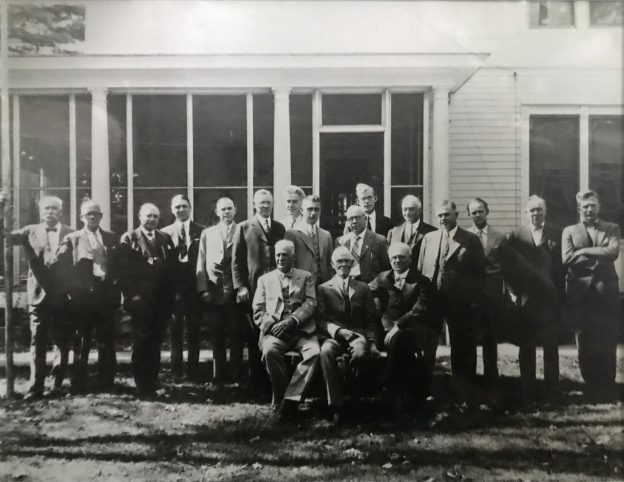
October: NAHA Officially Organized
Following the centennial, a meeting was held on October 6, 1925, at St. Olaf College to officially organize a historical association to collect and preserve the story of Norwegian-American immigrants. The organization was housed at St. Olaf, where it has remained for its nearly 100-year history.
-
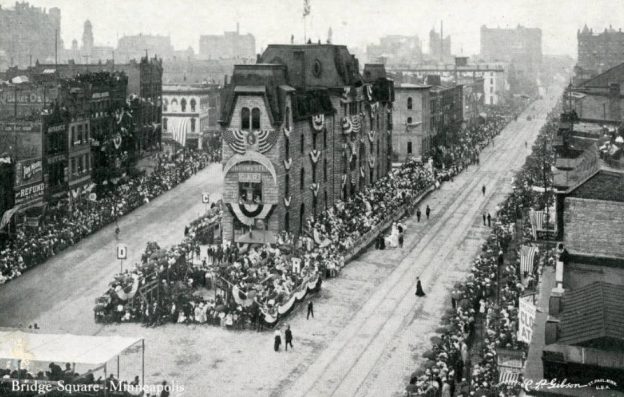
June: Norse-American Centennial
The Norse-American Centennial commemorated the arrival of the first group of Norwegian immigrants to North America in 1825. The celebration inspired many within the Norwegian-American community to create institutions to better collect and preserve the community’s history.