

Norwegian-American literary figures have played a significant role in capturing the immigrant experience, addressing themes of identity, assimilation, and the preservation of cultural heritage. Many Norwegian-American literary figures wrote in both English and Norwegian, contributing to immigrant newspapers and capturing the experiences of Norwegian settlers in their own words. Their works remain an important part of the cultural history of Norwegian migration to North America.
Some notable writers in the NAHA archives include:
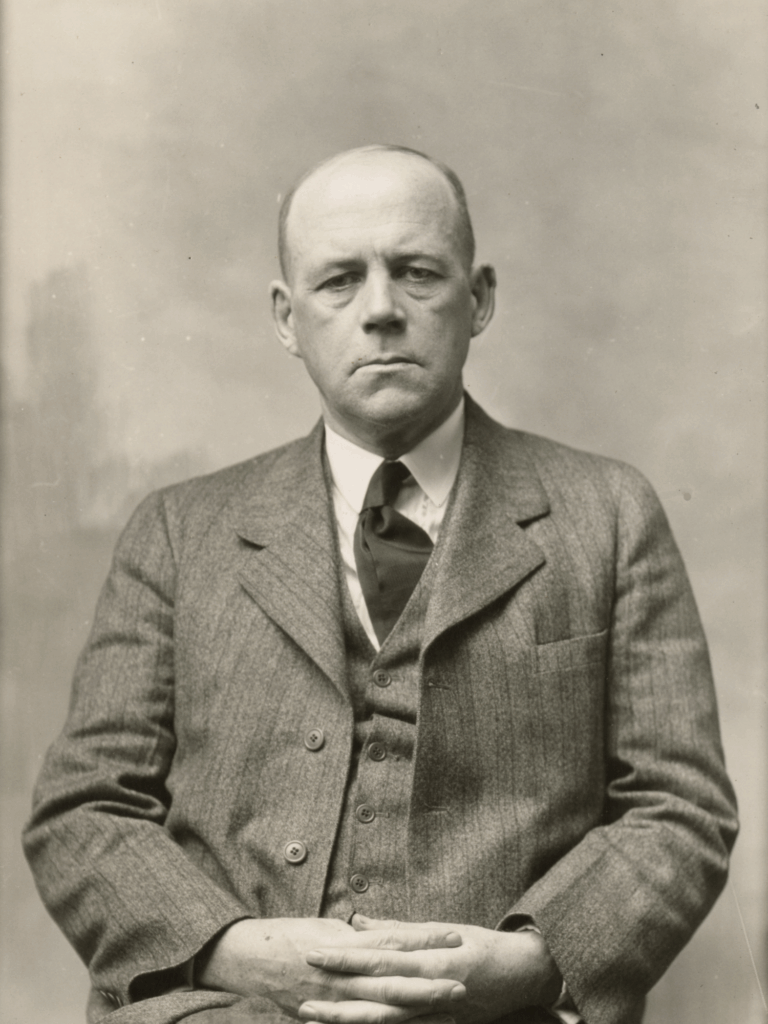
O.E. Rølvaag Papers (P0584)
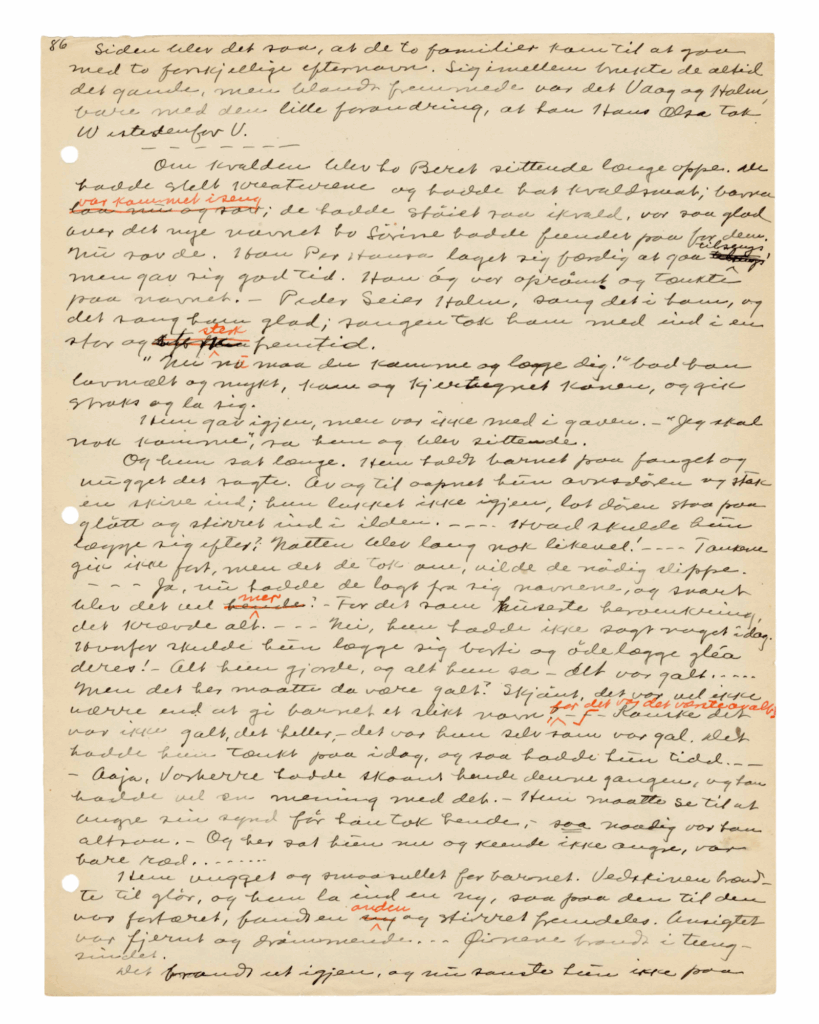
O.E. Rølvaag Papers (P0584)
Ole Edvart Rølvaag (1876–1931)
Rølvaag’s renowned novel Giants in the Earth (1927) vividly depicts the hardships faced by Norwegian immigrants on the Dakota prairie. His literary focus centers on the immigrant experience, thoroughly examining their internal and external struggles. Rølvaag explored the inherent tension between maintaining cultural identity and the compelling pressures of assimilation into American society. His characters frequently grapple with profound feelings of isolation and homesickness, constantly striving to reconcile their cherished traditions with the demands of an unfamiliar new world. Rølvaag’s lasting impact stems from his exploration of cultural identity, intricate psychological complexities, and the delicate balance between tradition and assimilation within the immigrant narrative, solidifying his crucial place in both American and immigrant literature.
Waldemar Ager (1869–1932)
Born in Fredrikstad, Norway, Waldemar Ager emigrated to the U.S. in 1885 and first worked as a printer. In 1892, he moved to Eau Claire and edited the Norwegian newspaper Reform from 1903 to 1941. Ager was active in the temperance movement and helped organize total abstinence societies and Good Templar lodges across the Upper Midwest. He authored numerous works in Norwegian, including novels and historical accounts, notably a history of the 15th Wisconsin Volunteer Infantry.
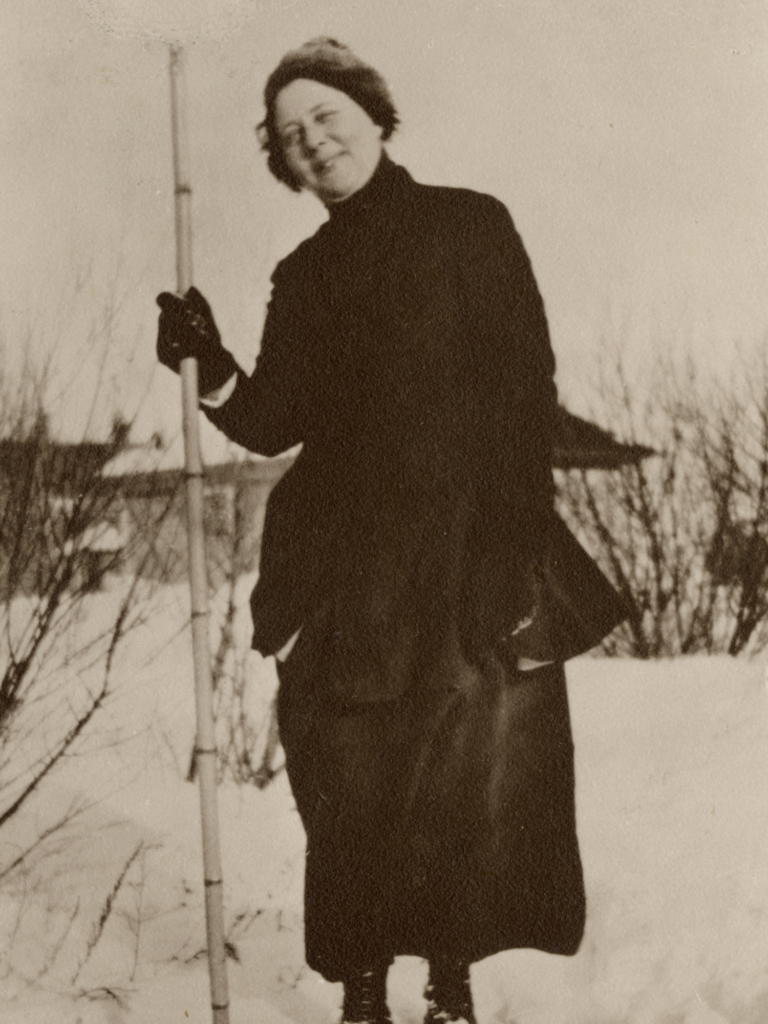
Aagot Raaen Papers (P0320)
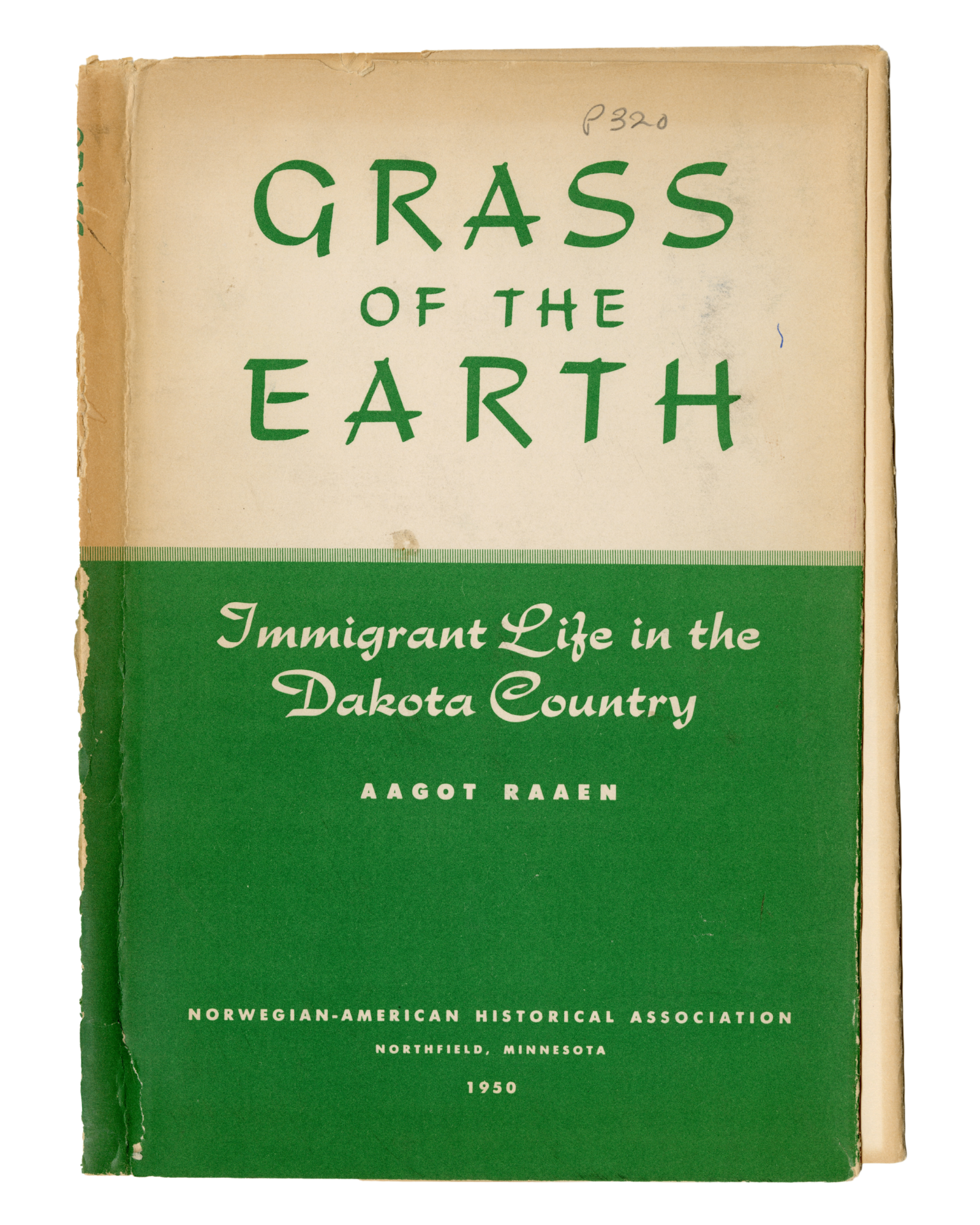
Aagot Raaen Papers (P0320)
Aagot Raaen (1909–2002)
Raaen was born in the U.S. to Norwegian immigrant parents, an upbringing that deeply influenced her writing. Her literary career is known for its exploration of the Norwegian-American experience. Raaen authored several articles and books, including Grass of the Earth: Immigrant Life in the Dakota Country, a historical novel that vividly portrays the experiences of Norwegian settlers in the Dakota Territory. The novel offers a rich and poignant depiction of the challenges and hardships Norwegian immigrants faced as they worked to build new lives in the harsh, unforgiving prairie environment.
Dorthea Dahl (1881–1958)
Born in Osen, Norway, Dorthea Dahl immigrated with her family in 1883 at the age of two, settling in Day County, South Dakota. In 1900, she began studies at the State Normal School in Madison, Wisconsin, intending to become a teacher, but early signs of tuberculosis forced her to change course. After a brief time at St. Olaf College, she moved in 1903 to Kootenai County near Coeur d’Alene, Idaho. She wrote extensively about small-town and immigrant farm life, primarily in Norwegian, publishing in The Friend, Jul i Vesterheimen, and Lutheraneren. Her works include: Fra Hverdagslivet (From Everyday Life), Returning Home, and Byen paa Berget (The City Upon a Hill). Her stories explore themes of faith, assimilation, and the balance between service to others and personal fulfillment.
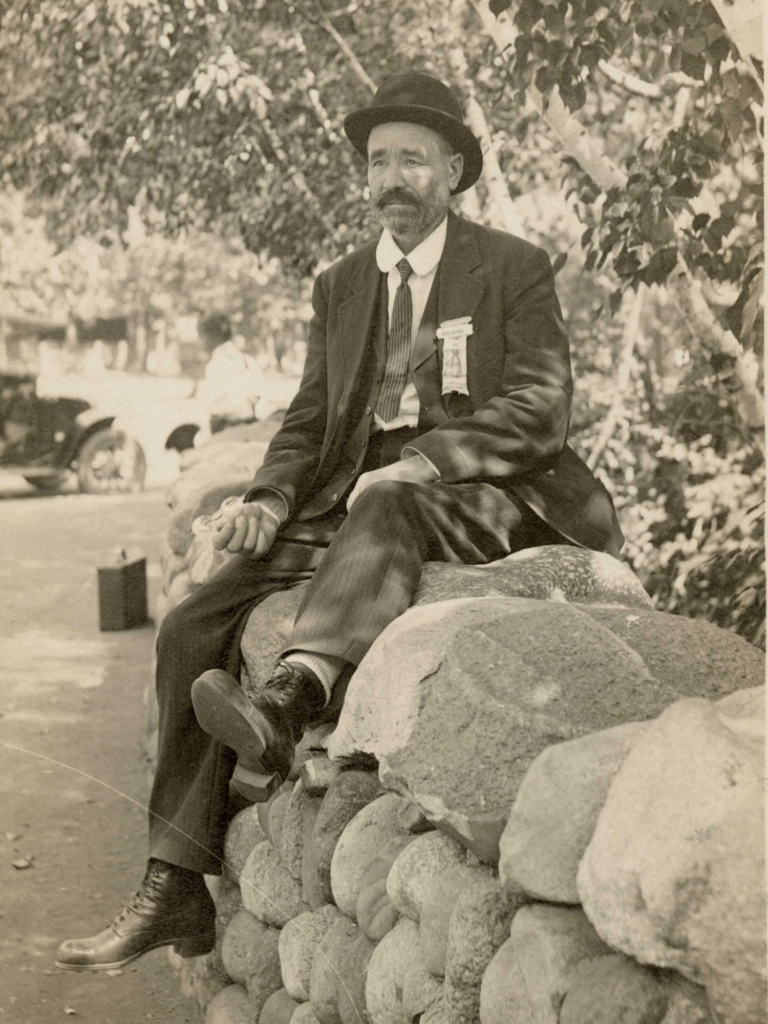
Ole A. Buslett Papers (P0464)
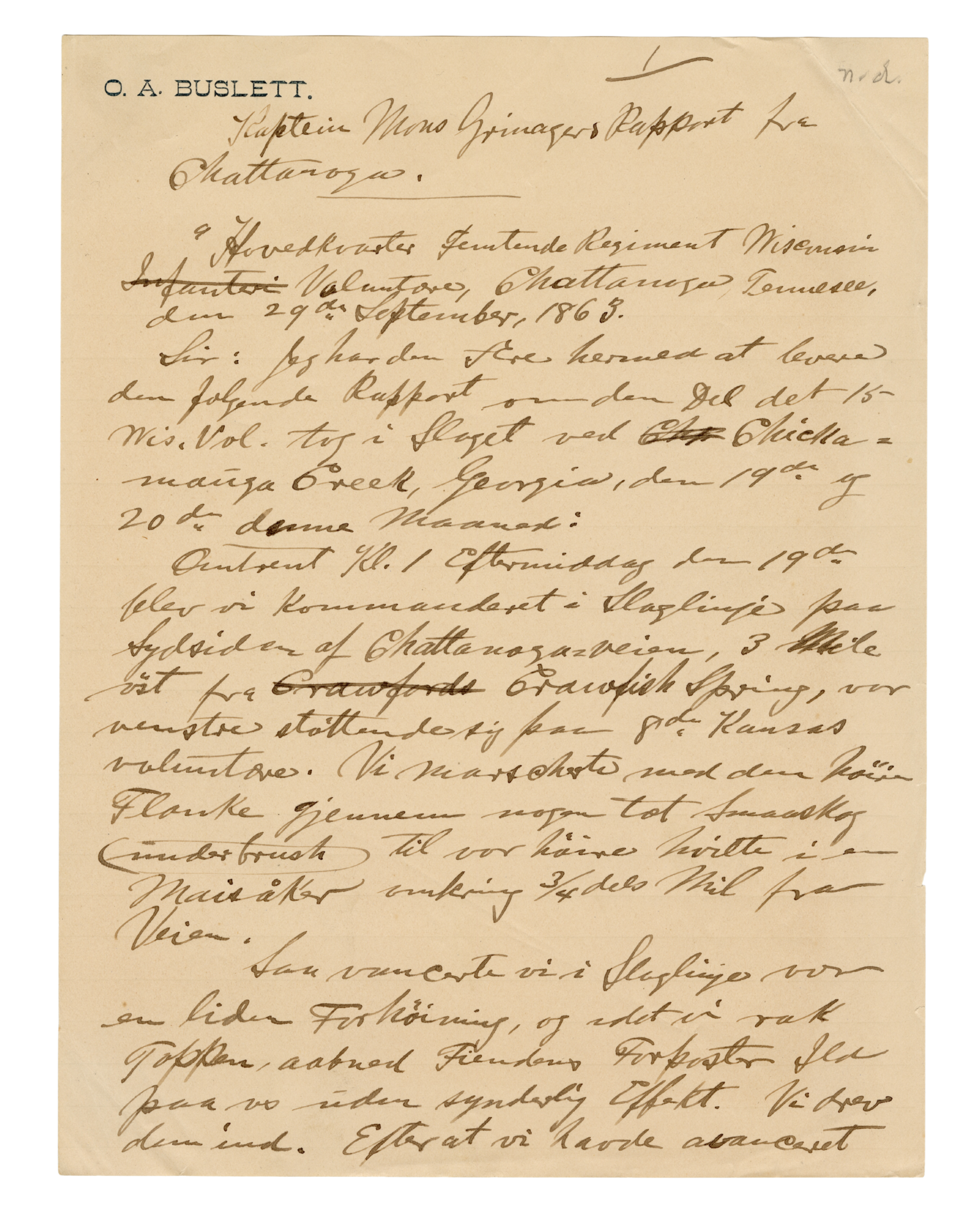
Ole A. Buslett Papers (P0464)
Ole Buslett (1855–1924)
Buslett primarily wrote in Norwegian and was deeply committed to depicting the lives of Norwegian immigrants in the United States. His works often focused on the challenges of pioneer life, the cultural clashes between old and new traditions, and the moral dilemmas faced by settlers. In addition to his fiction, Buslett was an active journalist, contributing to Norwegian-language newspapers in the United States. Through his essays, opinion pieces, and political activism, he played a key role in shaping the Norwegian-American identity.