

Norwegian immigrants to the United States settled heavily in the rural Midwest—a migration made possible by federal policies ceding Indian land. Many also made their way to urban centers, attracted by job opportunities and the chance to join established immigrant communities. While Minneapolis is considered the unofficial capital of Norwegian America, other destinations played key roles in Norwegian American history.
One significant wave of Norwegian immigration occurred in the late 19th and early 20th centuries, with Brooklyn emerging as a key destination. Its location near New York City and its bustling industries, shipping docks, and diverse population made it an appealing locale. In particular, the Red Hook neighborhood, close to the docks and shipyards, became home to many Norwegian immigrants.
Chicago also became a major hub for Norwegians during this period. The city’s booming industrial economy provided jobs in factories, construction, and other growing sectors. In addition to offering employment opportunities, Chicago developed into an important cultural center for Norwegian Americans, complete with churches, organizations, and Norwegian-language newspapers.
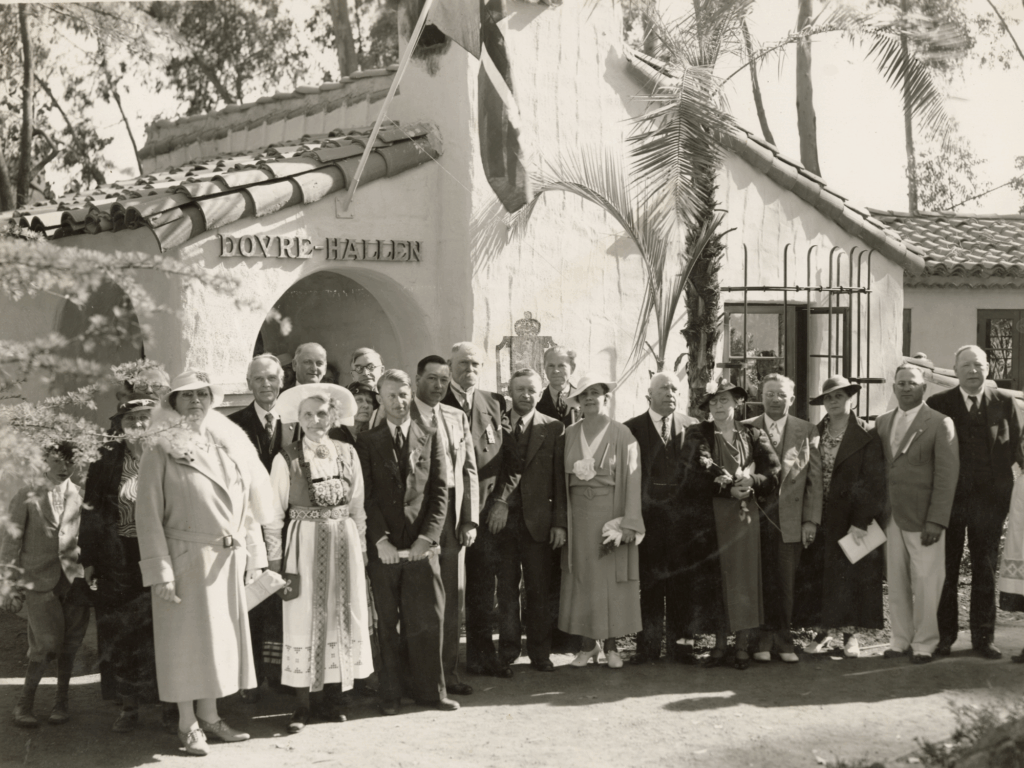
House of Norway Records (2024/027)
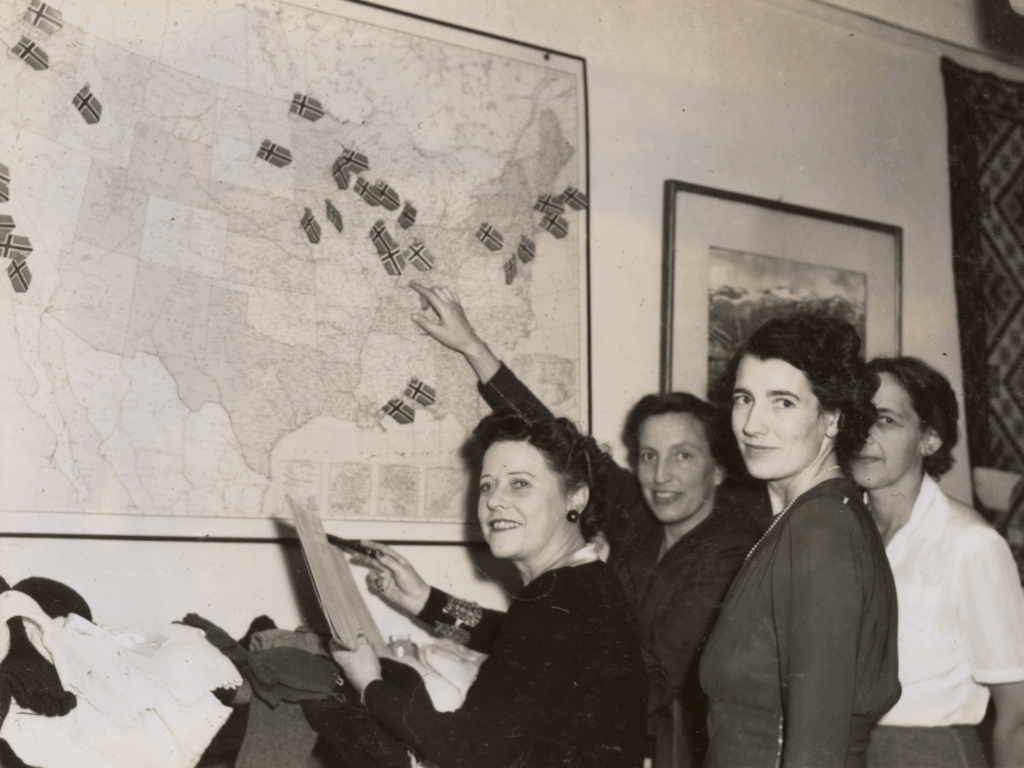
Campbell Norsgaard Papers (2022/013)

Local History Collection (P1523)
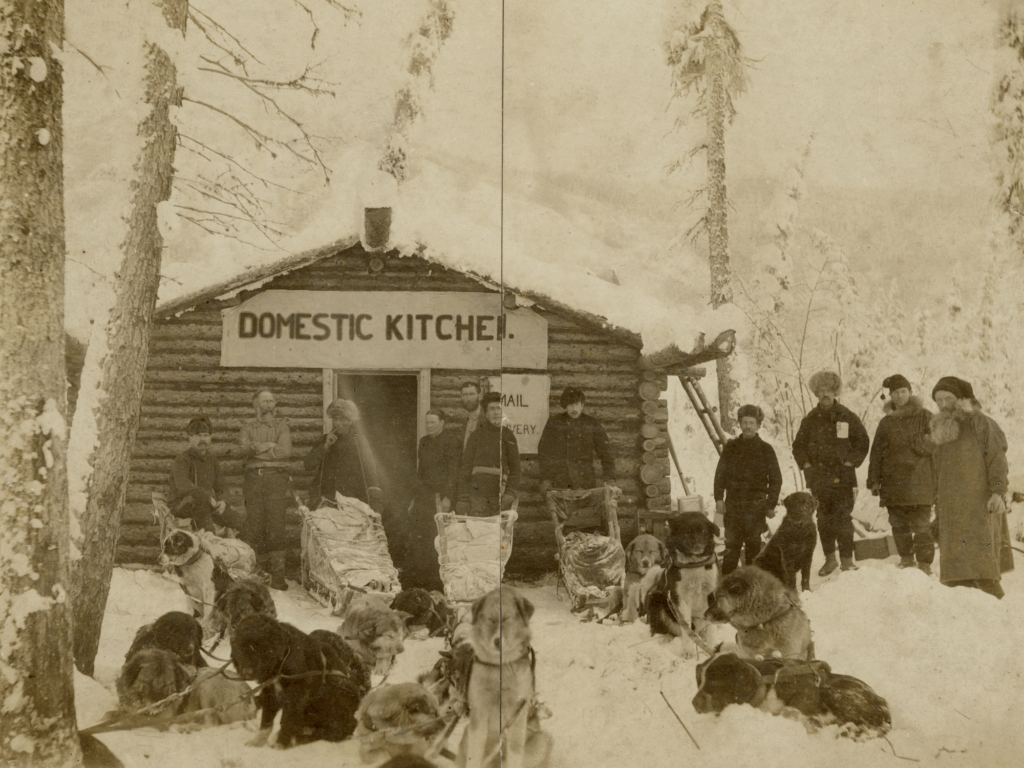
Local History Collection (P1523)

Material Culture and People’s Art Among Norwegians in America, illustrations, NAHA Publication Records (P1000)

Rev. Parelius H. Rognlie Papers (2020/015)
On the West Coast, Seattle attracted Norwegian immigrants with its thriving shipping, fishing, and logging industries. While smaller in scale than the Midwest settlements, Seattle’s growth as a Pacific port city owed much to Norwegian labor in its shipyards and along its waterfronts.
Further south, cities like Los Angeles and San Diego drew Norwegians seeking agricultural and economic opportunities, especially during California’s early development. As the Norwegian-American population grew, they established churches, businesses, and cultural organizations that fostered community life.
Though not as widely recognized for Norwegian immigration, Texas attracted a considerable number of settlers in the late 19th century. Fertile land and economic prospects appealed to many Norwegians, and the Texas government, along with land agents, actively promoted immigration through advertising.
In Alaska, Norwegian immigration played a key role in regional development. Drawn by fishing and mining prospects, Norwegians brought with them deep maritime traditions. The Klondike Gold Rush and subsequent mining booms enticed many to seek fortune and a new life in the far north.
Norwegian migration to Canada began in the mid-1800s. Immigrants to Canada were driven by the same motivations as those to the United States: the search for land, jobs, and the freedom to practice their religion. Initially, settlers arrived in Ontario in the 1850s. By the late 19th century, the prairie provinces of Alberta, Manitoba, and Saskatchewan became primary areas of settlement. This shift was due to the availability of inexpensive farmland and recruitment efforts by the Canadian government to populate the prairies.