

Norwegian-American artists have significantly shaped American culture by preserving and showcasing their Norwegian heritage while engaging with broader American artistic traditions. Their work fostered a sense of community, identity, and historical continuity among Norwegian-Americans and introduced Norwegian history and culture to a wider American audience. They were especially active in creating public monuments and memorials that honored important figures in Norwegian history.
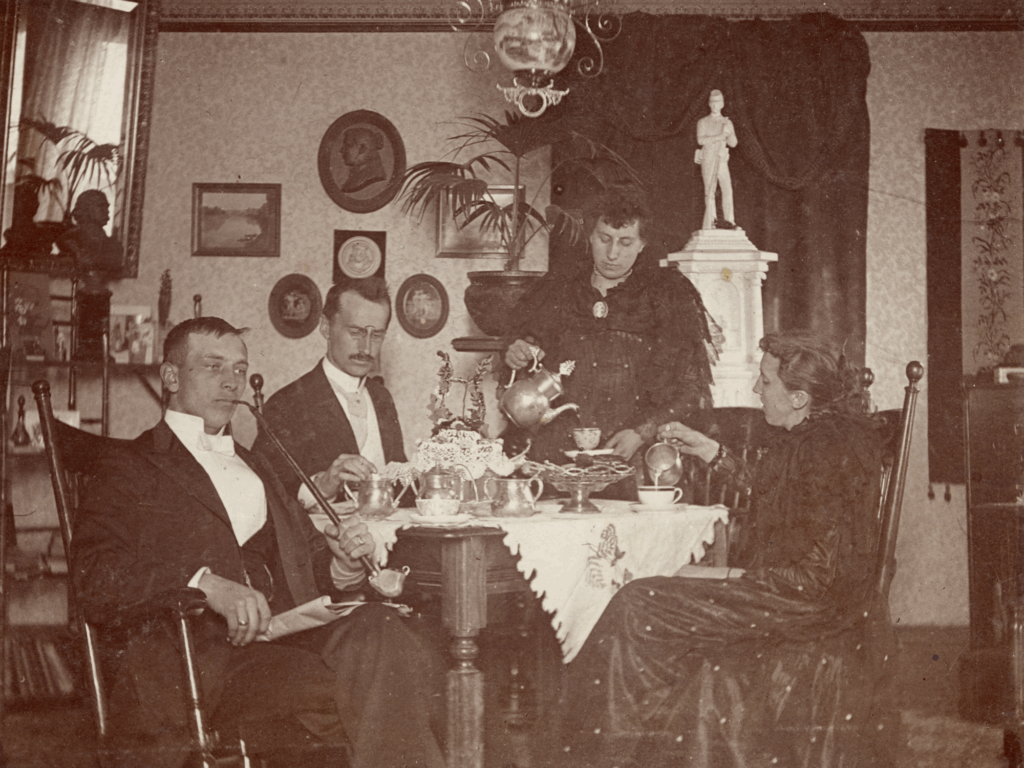
Pictured in the background is a relief of Pauline Fjelde and a bust of Sven Oftedal by Jacob Fjelde.
Herman O. Fjelde Papers (P1269)
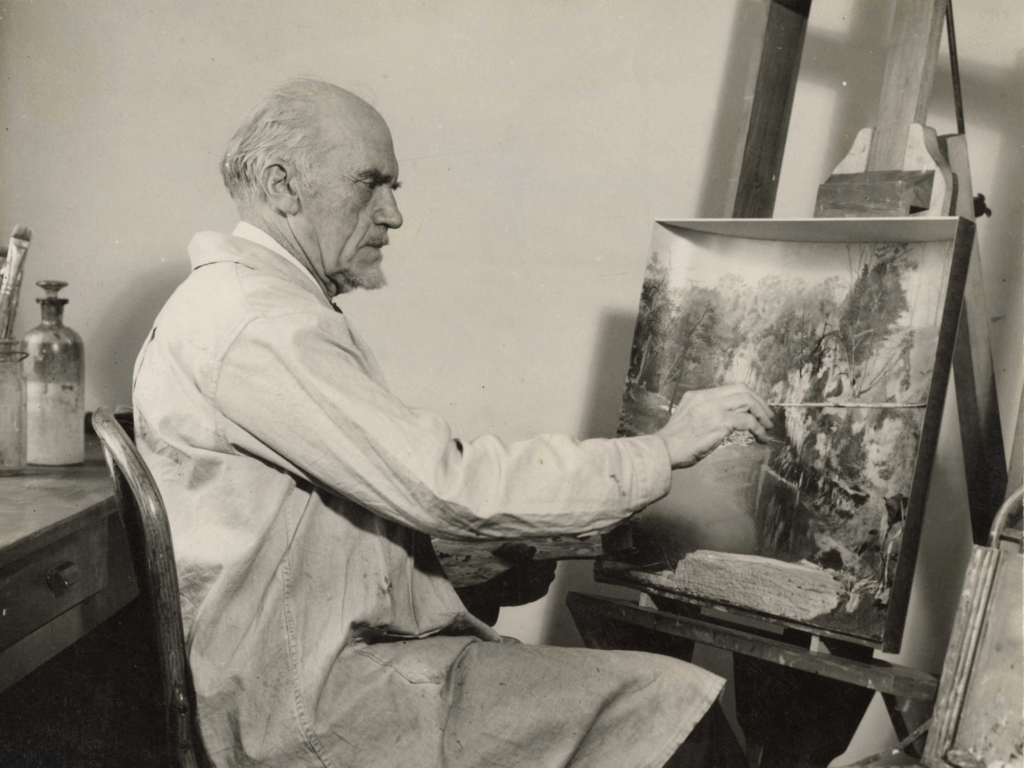
Carl G. O. Hansen Papers (P0543)
Some artists found in the NAHA collection include:
Jacob Fjelde (1859–1896)
Fjelde was born in Ålesund, Norway, and emigrated to America in 1887 with his sister, Pauline, who was also an accomplished artist. Fjelde studied under Norwegian sculptor Brynjulf Bergslien before attending the Academy of Fine Arts in Copenhagen, and later spent two years studying in Rome. He is celebrated for his Twin Cities statues of Ole Bull (Loring Park); Hiawatha and Minnehaha (Minnehaha Park); and Henrik Ibsen (Como Park).
Pauline Fjelde (1861–1923)
Pauline, a skilled painter and textile artist who received her training in Copenhagen, immigrated to America and established a needlework business with her sister Thomane in Minneapolis. Their specialty was embroidered silk banners, and notably, they created one of the state flag of Minnesota. She played a role in bringing the European Arts and Crafts movement into Norwegian-American textile art traditions.
Yngvar Sønnichsen (1873–1938)
Sønnichsen graduated as a civil engineer from the Polytechnic School in Oslo in 1894. His passion for the fine arts led him to receive his first formal instruction at the Royal School of Arts and Crafts in Oslo. He continued his studies at the Royal Academies of Antwerp and Brussels, and the Académie Julian in Paris. In 1904, Sønnichsen established a studio in St. John, New Brunswick, Canada. Among his notable works in Seattle are the murals in Norway Hall, created in collaboration with his brother, Sønke Engelhart Sønnichsen, and Sverre Mack.
Oskar J. W. Hansen (1892–1971)
Hansen was a sculptor who specialized in public monuments and memorials. His work, often realistic with symbolic elements, explored themes of identity, struggle, and the immigrant experience. Hansen’s sculptures, including his most famous work, the Winged Figures of the Republic at Hoover Dam, are characterized by strong lines and expressive use of space. Oskar was chosen to design a 90-foot-tall Leif Erikson memorial for Grant Park in downtown Chicago—one of the largest proposed monument statues in the U.S.—but Depression-era funding cuts ultimately led to the project’s cancellation.
Lars Fletre (1904–1977)
Lars Fletre debuted at the Art Institute of Chicago’s “The 43rd Annual Exhibition of American Paintings and Sculpture” in 1931 after attending the institute. He exhibited in multiple galleries in Chicago and Brooklyn before returning to Norway in 1933. Upon the Fletre family’s return to Chicago in 1954, Helen and Lars were active in numerous clubs, including DeLiSa (Det Litteræe Samfund), Chicago Norske Klub, and the American Scandinavian Foundation. Lars founded the Vossing Art Studio near the family home in 1962.
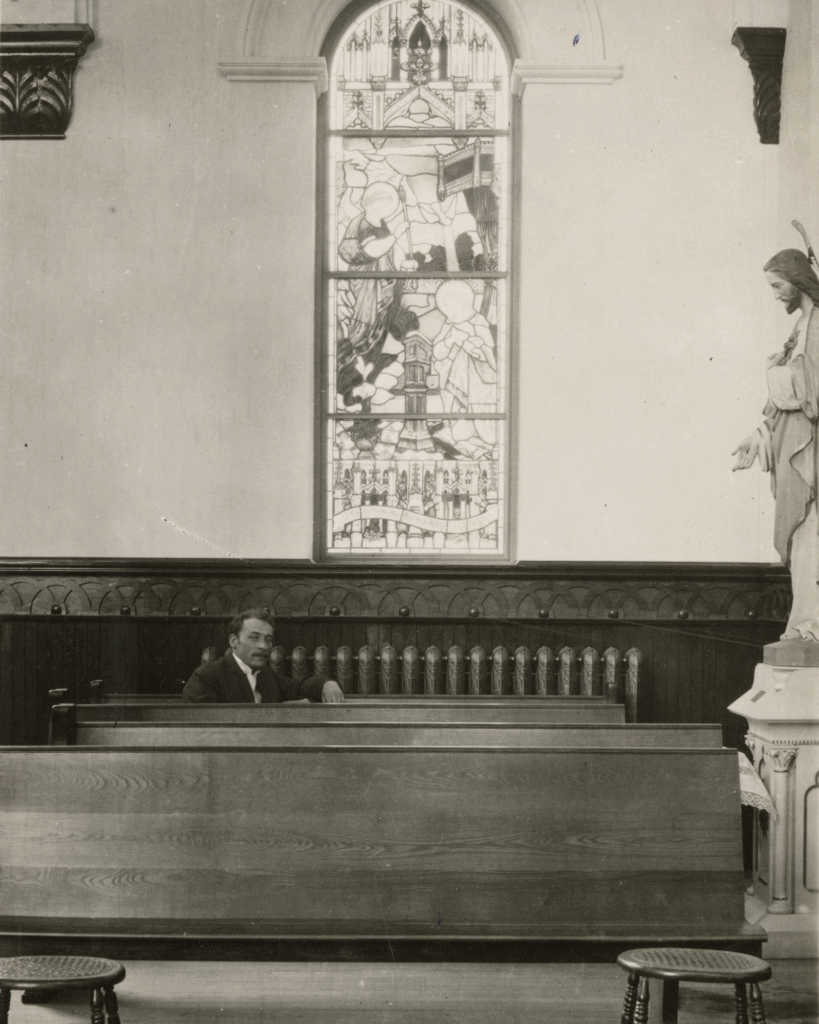
His best-known works are his church windows, portraits of Roald Amundsen and Ole Bull, murals in Seattle’s Norway House, and his Alaska landscapes.
Yngvar Sønnichsen Papers (P0420)
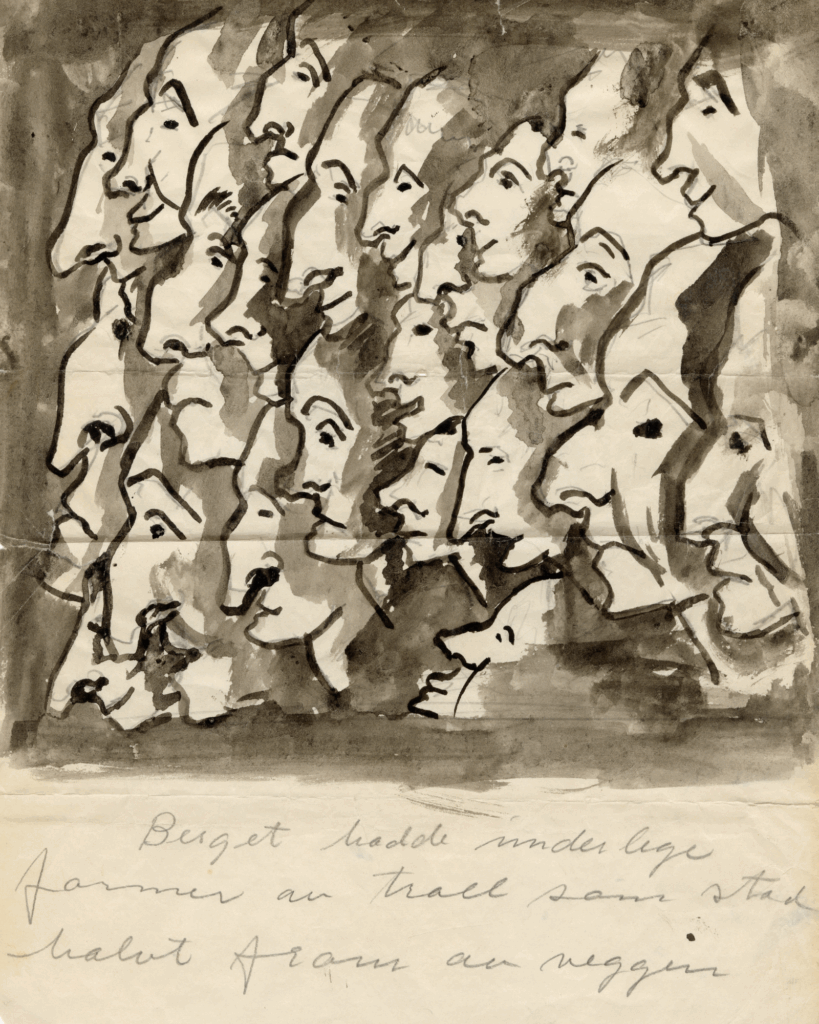
The Fletre family was active in many clubs in Chicago, including DeLiSa (Det Litteraere Samfund), Chicago Norske Klub, and American Scandinavian Foundation. In 1962, Lars founded the Vossing Art Studio on Diversey Parkway, within walking distance from the family home. In this studio, Lars worked alone to create his sculptures.
Lars Fletre Papers (P1108)
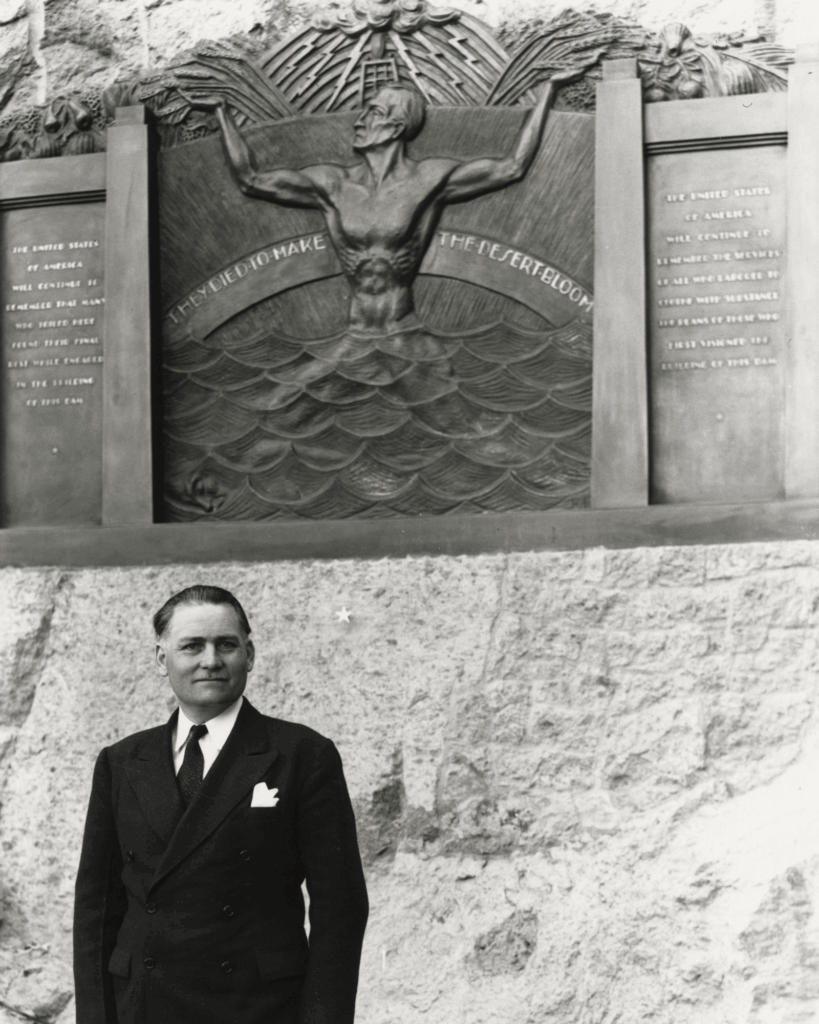
His most monumental work is the Winged Figures of the Republic at Hoover Dam, reported to be the largest cast bronze in the world.
Oskar J. W. Hansen Clippings (P1283)
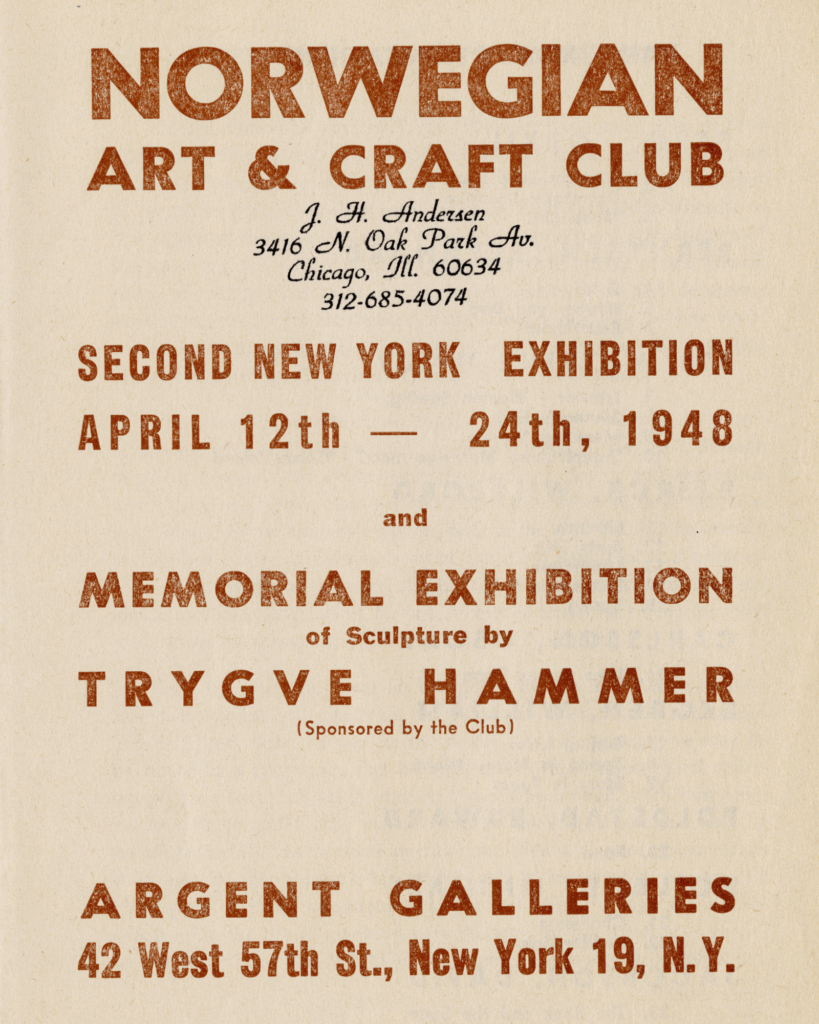
It was organized under the leadership of Karl Larsen, a painter from Flekkefjord, “to stimulate interest in art among Scandinavians in America.”
Norwegian Art and Craft Club Papers (P1254)