

Norwegian immigrants and their descendants have left a lasting mark on the economic and cultural fabric of North America. From small-town general stores to major industrial organizations, Norwegian American businesses have thrived across a wide range of industries, including shipping, fishing, agriculture, manufacturing, and finance.
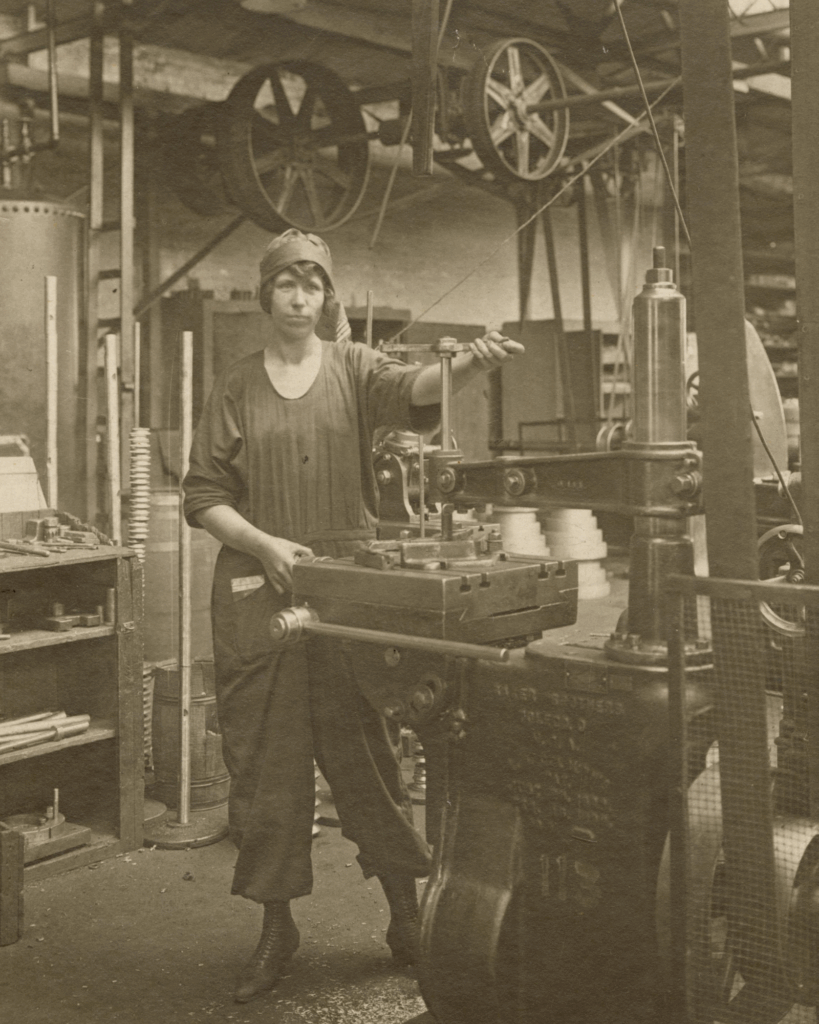
One of the most notable industrial collections preserved in the NAHA Archives is the Gisholt Machine Company, founded in 1885 by John A. Johnson in Madison, Wisconsin. Gisholt became a leader in manufacturing precision machine tools, particularly turret lathes, and played a critical role in advancing American industrial technology during the late 19th and early 20th centuries. The company also built the first gas engines for Johnson’s other enterprise, the Fuller & Johnson Manufacturing Company. During World War II, Gisholt contributed significantly to the war effort, producing essential machinery for military manufacturing.
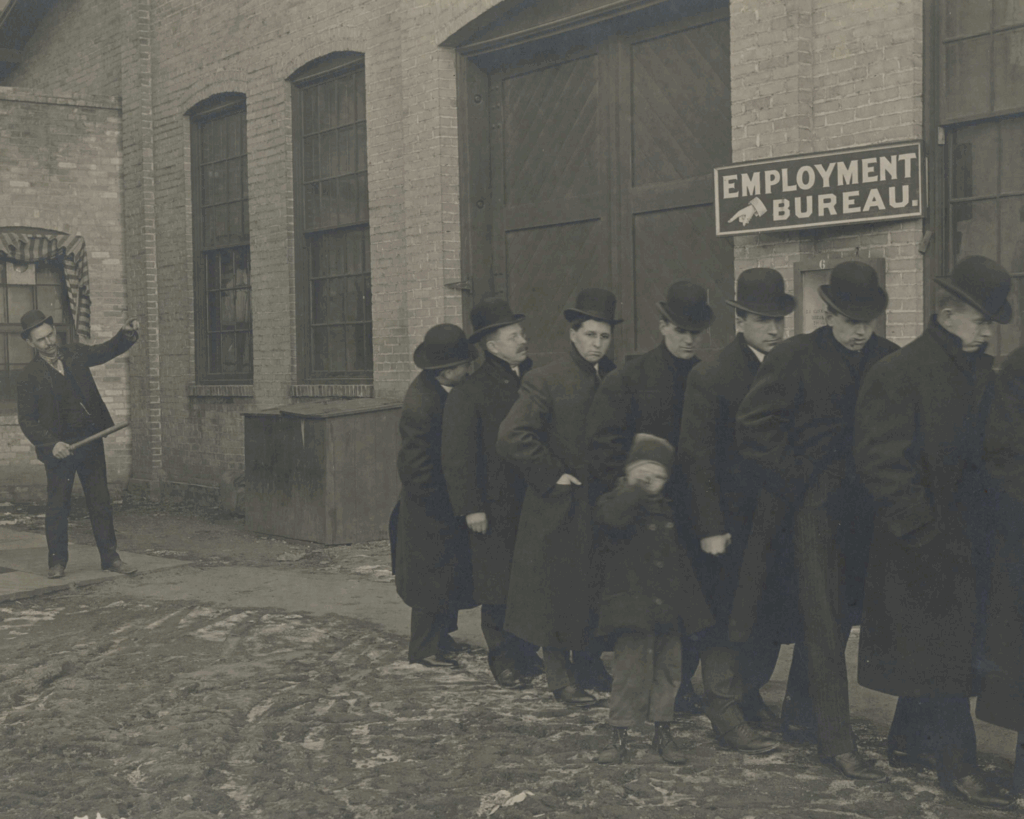
John A. Johnson Papers (p0691)
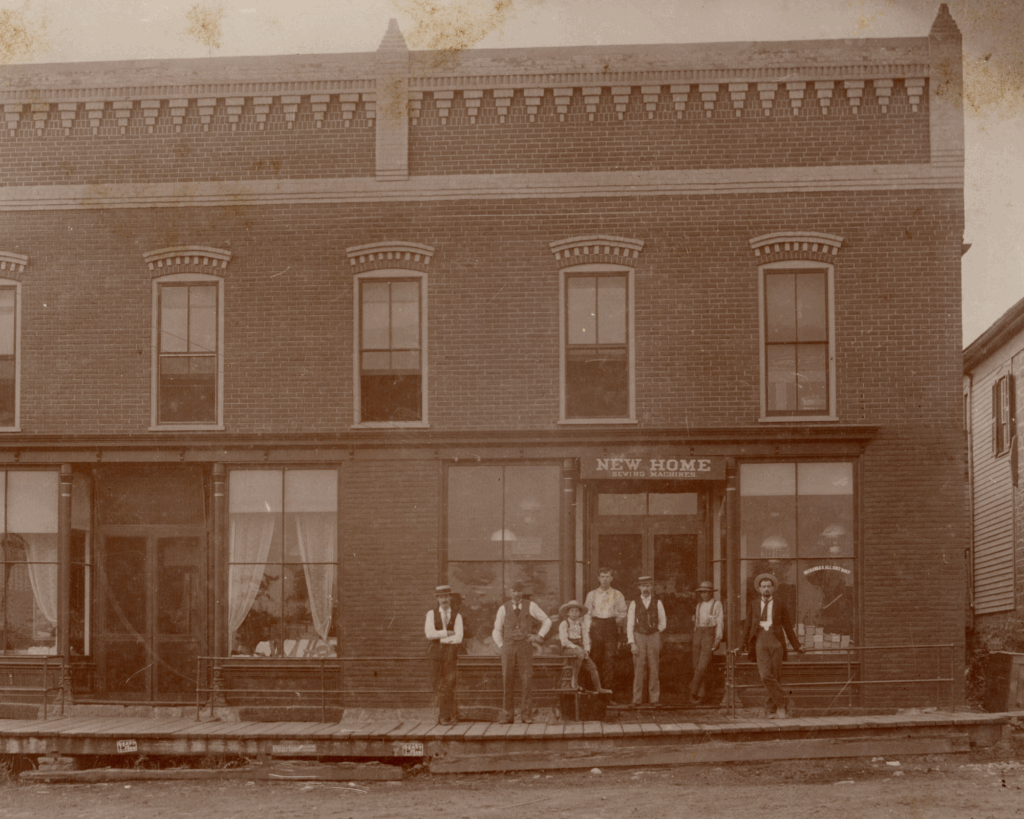
L.A. Rossing Papers (P0586)
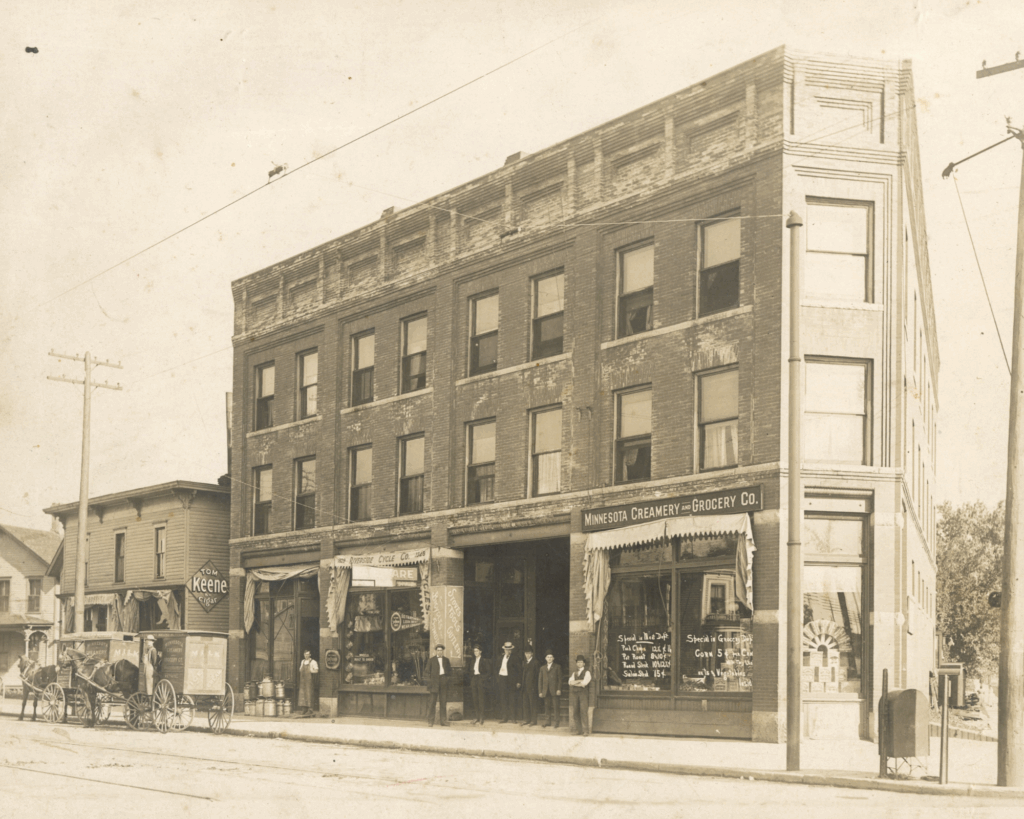
Eidsvold Family Papers (2023/018)
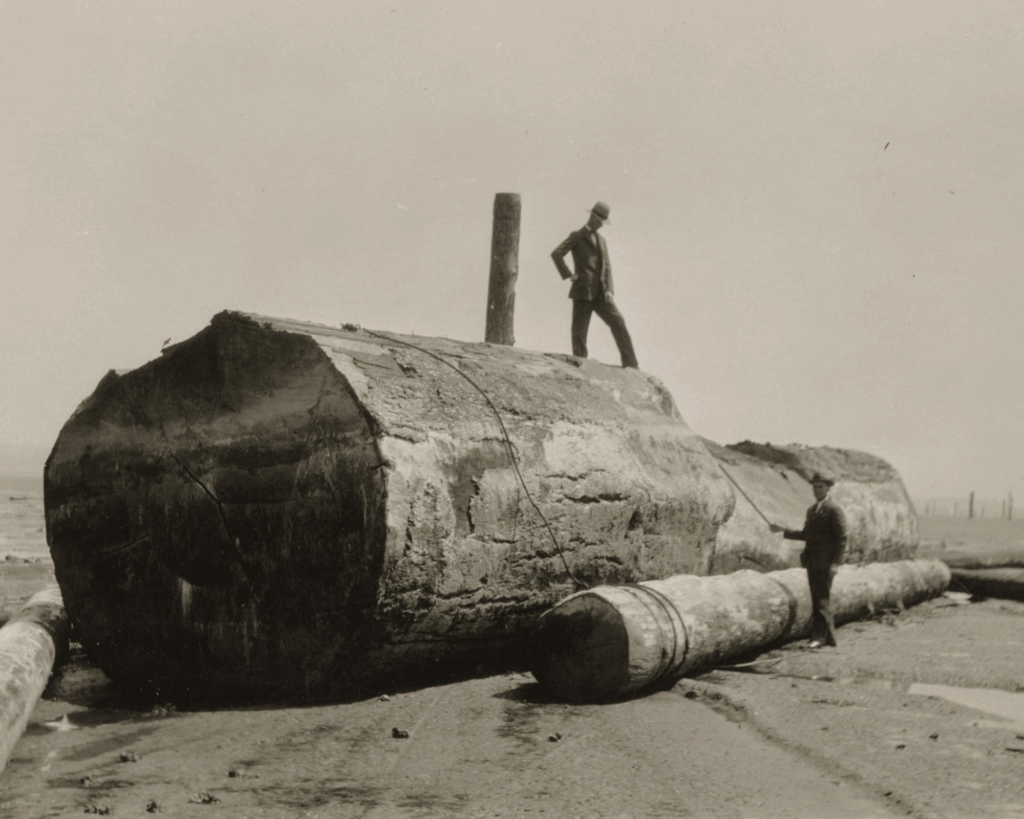
Photograph Collection (P0655)
Photograph Collection (P0655)
Photograph Collection (P0655)
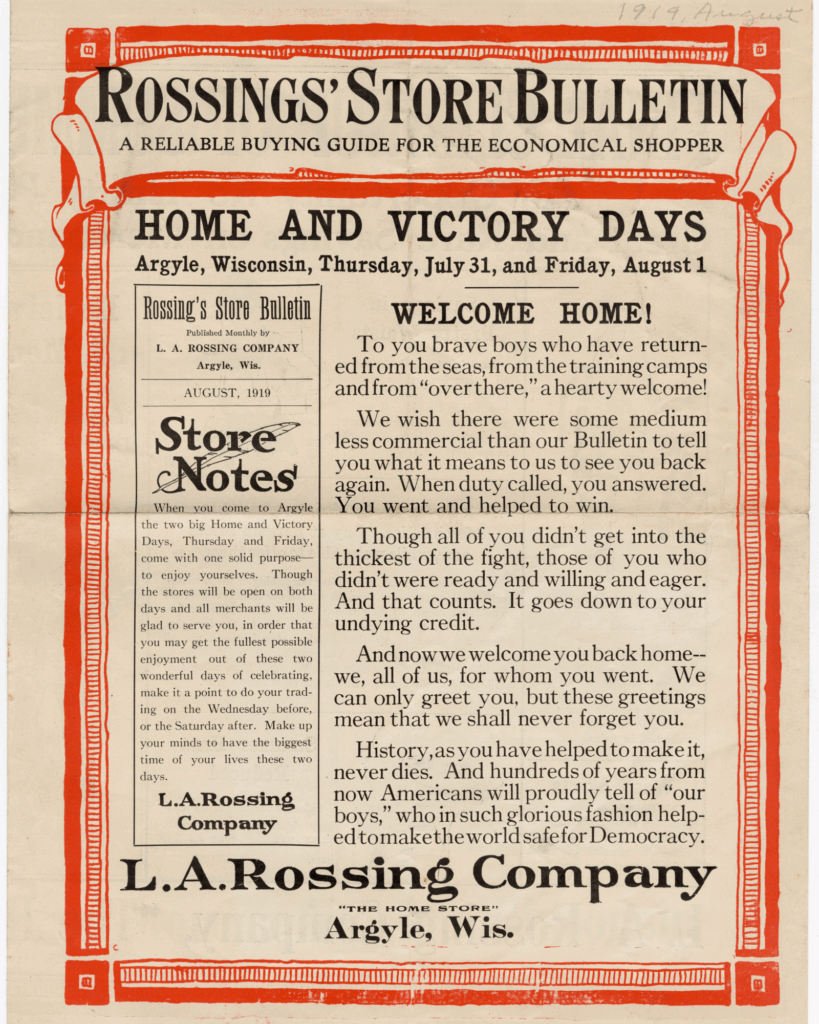
In rural communities, general stores such as the L.A. Rossing General Store in Argyle, Wisconsin, served as lifelines for local residents. These stores offered everything from tools to household goods—often on credit—allowing farmers to pay after harvest. In addition to selling supplies, they frequently bought local produce, eggs, and handmade goods, becoming essential hubs of commerce. Many general stores also operated as informal post offices or banks, reinforcing their status as the heart of rural life.
In the financial world, Arthur Andersen (1885–1947), a Norwegian American accountant, founded Arthur Andersen LLP, which grew into one of the world’s most influential accounting firms. A strong advocate for ethical financial reporting, Andersen emphasized integrity, transparency, and accountability—principles that would shape modern auditing practices. While the firm’s legacy was later clouded by the Enron scandal in 2001, its early influence on the accounting profession remains significant.
John A. Johnson Papers (p0691)
L.A. Rossing Papers (P0586)
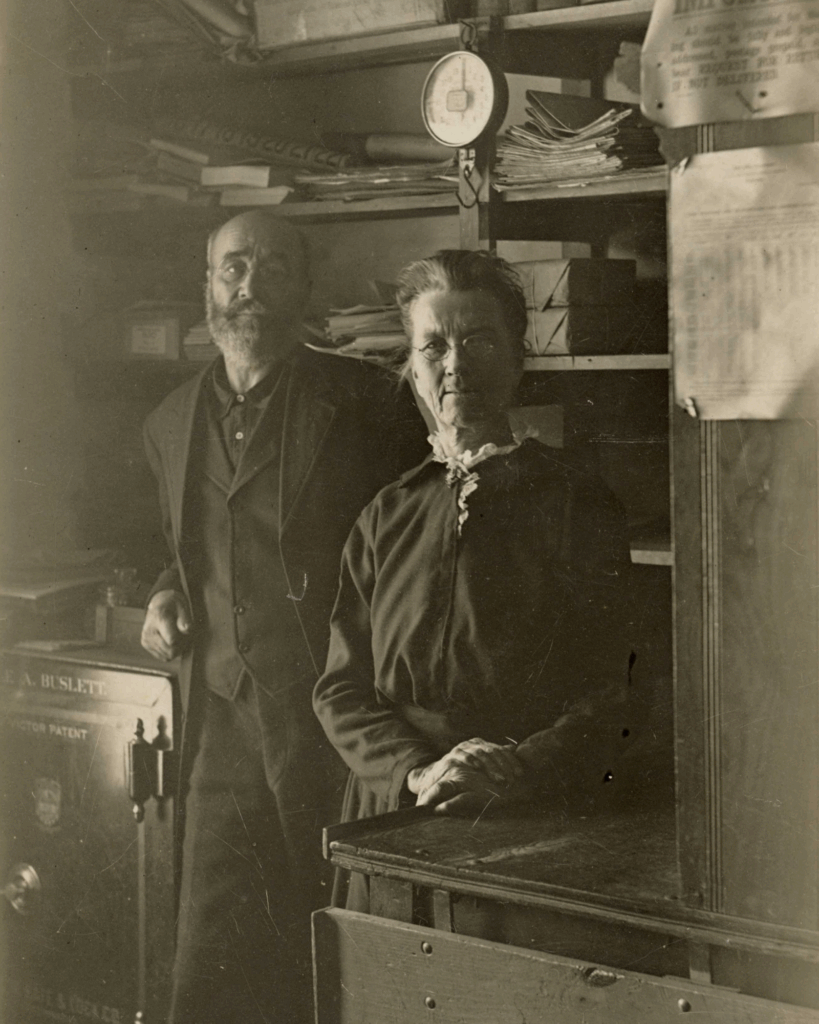
Buslett served as postmaster, justice of the peace, and town clerk.
Ole A. Buslett Papers (P0464)
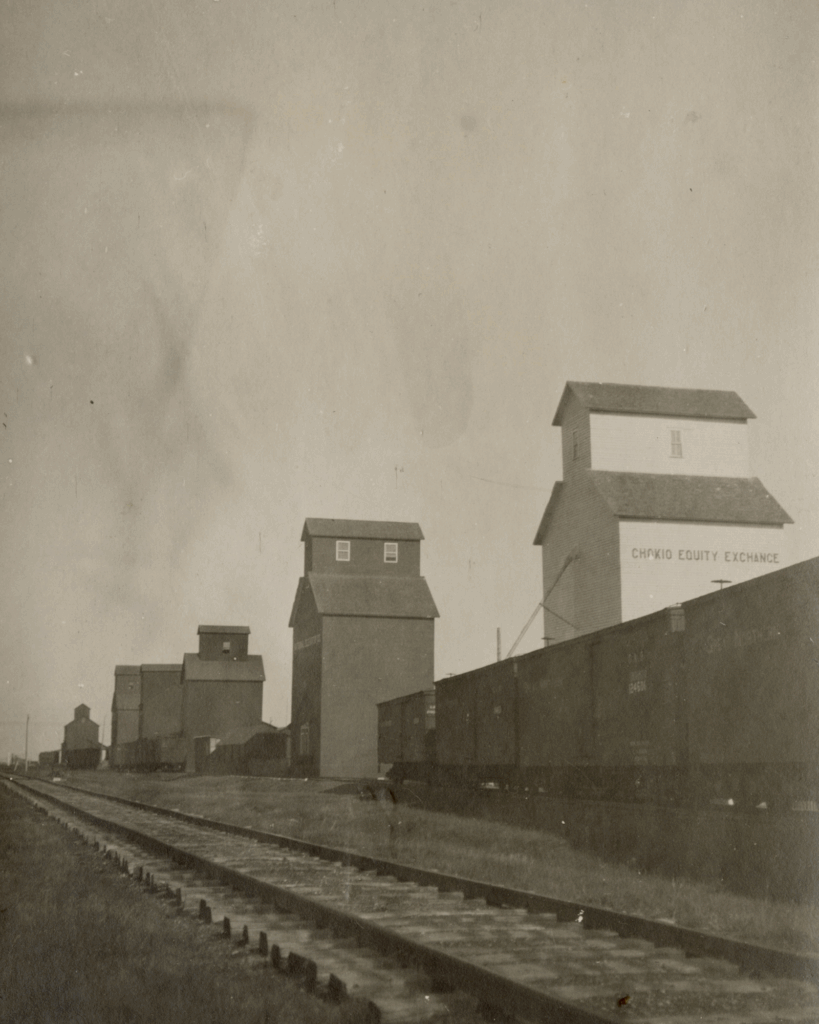
Photograph Collection (P0655)
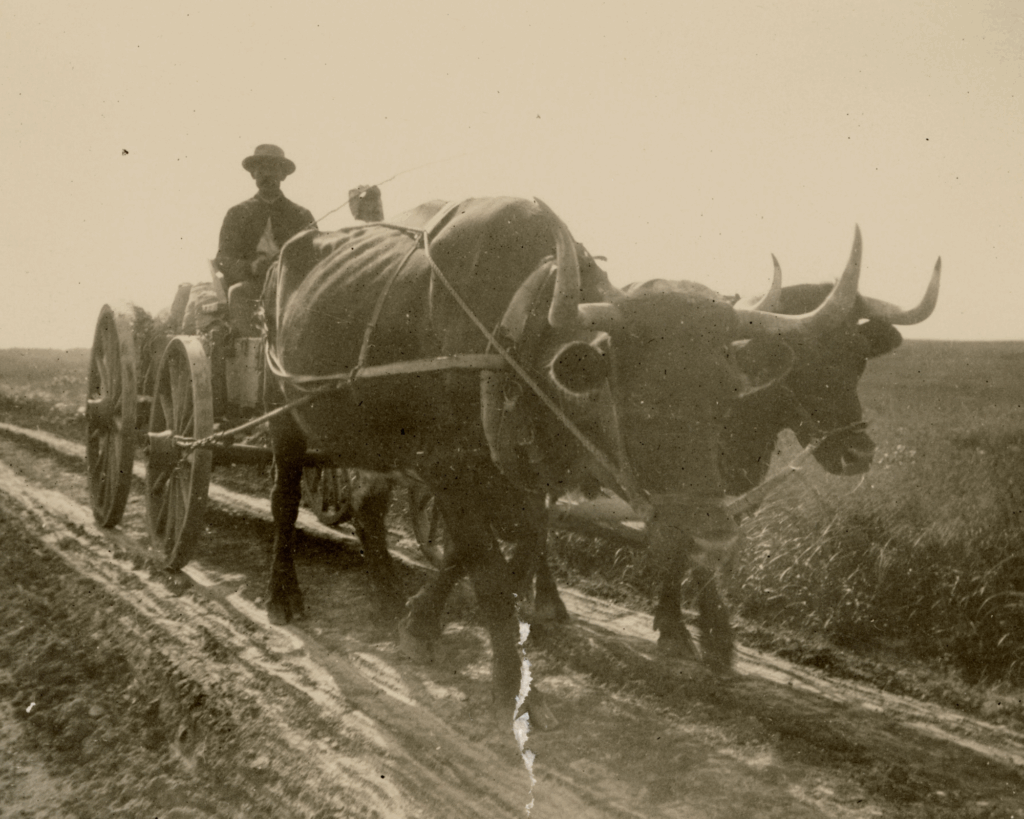
Norwegian immigrants also made lasting contributions in sectors that echoed their homeland expertise. With a strong background in farming, many Norwegian Americans, encouraged by federal policies that removed Indigenous peoples from the land, established family-run farms across the Midwest. These families often formed agricultural cooperatives to share resources and increase efficiency, playing a vital role in shaping the American farming landscape.
In the fishing industry, Norwegians were instrumental in the development of commercial fisheries, particularly in the Pacific Northwest and Great Lakes. Settling in places like Washington, Oregon, and Alaska, they helped build the salmon, herring, and cod fishing industries. In the Midwest, they fished the waters of Lake Michigan and Lake Superior.
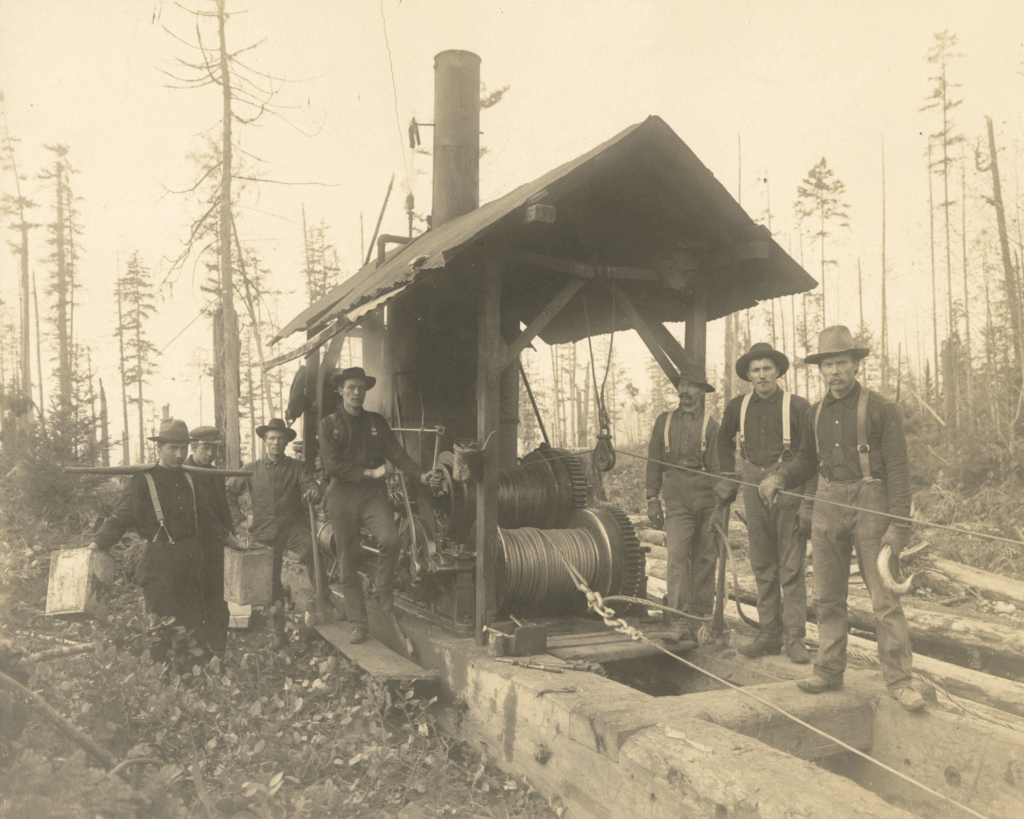
Norwegian immigrants were also deeply involved in the logging industry, especially during the boom of the 19th and early 20th centuries. Drawn to the vast forests of the upper Midwest and later the Pacific Northwest, they worked as loggers, taking on the physically demanding and often dangerous task of felling trees and moving timber down rivers. Their labor supported one of the most important industries of the era and fueled regional growth.
Together, these entrepreneurial efforts reflect the determination, adaptability, and enduring influence of Norwegian Americans across North America.