Nazi Invasion and Occupation
World War II reached Norway on April 9, 1940, when Nazi Germany launched a full-scale invasion and began a five-year occupation of the country. Anticipating the threat, Norway’s Parliament (Storting), the Royal Family, and government leaders fled Oslo. An emergency decree granted full authority to King Haakon VII and his cabinet until the Storting could reconvene. This empowered the King to constitutionally reject Germany’s demand for surrender and to delegitimize the puppet regime of Vidkun Quisling, a Norwegian military officer and Nazi collaborator. The King and Norway’s legitimate government were never captured. Instead, they continued operating in exile from London as an Allied government throughout the war.
Training Airmen and Soldiers in Exile
Even before the invasion, Norwegian aviator and U.S. citizen Bernt Balchen traveled to the United States to negotiate the purchase of aircraft and ammunition for Norway. After the occupation, his mission shifted: he sought to create a training camp for Norwegian airmen and soldiers in exile. Working with Canadian officials, Balchen secured airport facilities on Toronto Island, where the camp—nicknamed “Little Norway”—officially opened in November 1940.
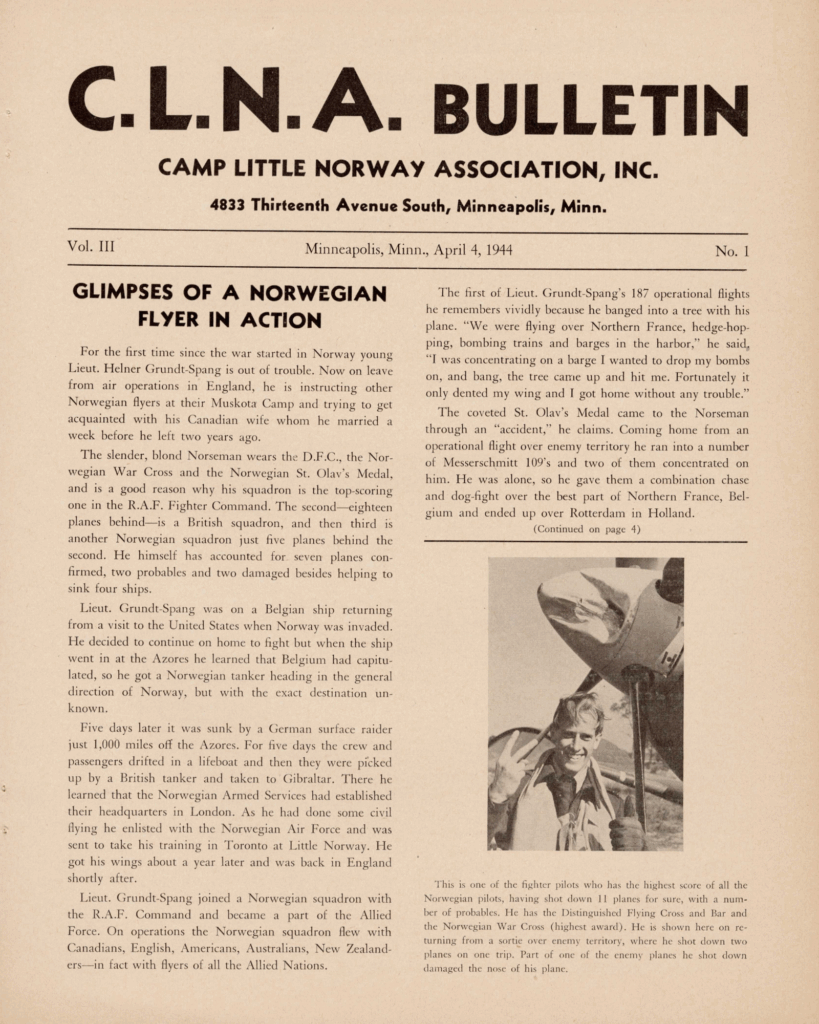
Camp Little Norway Association Papers (P0466)
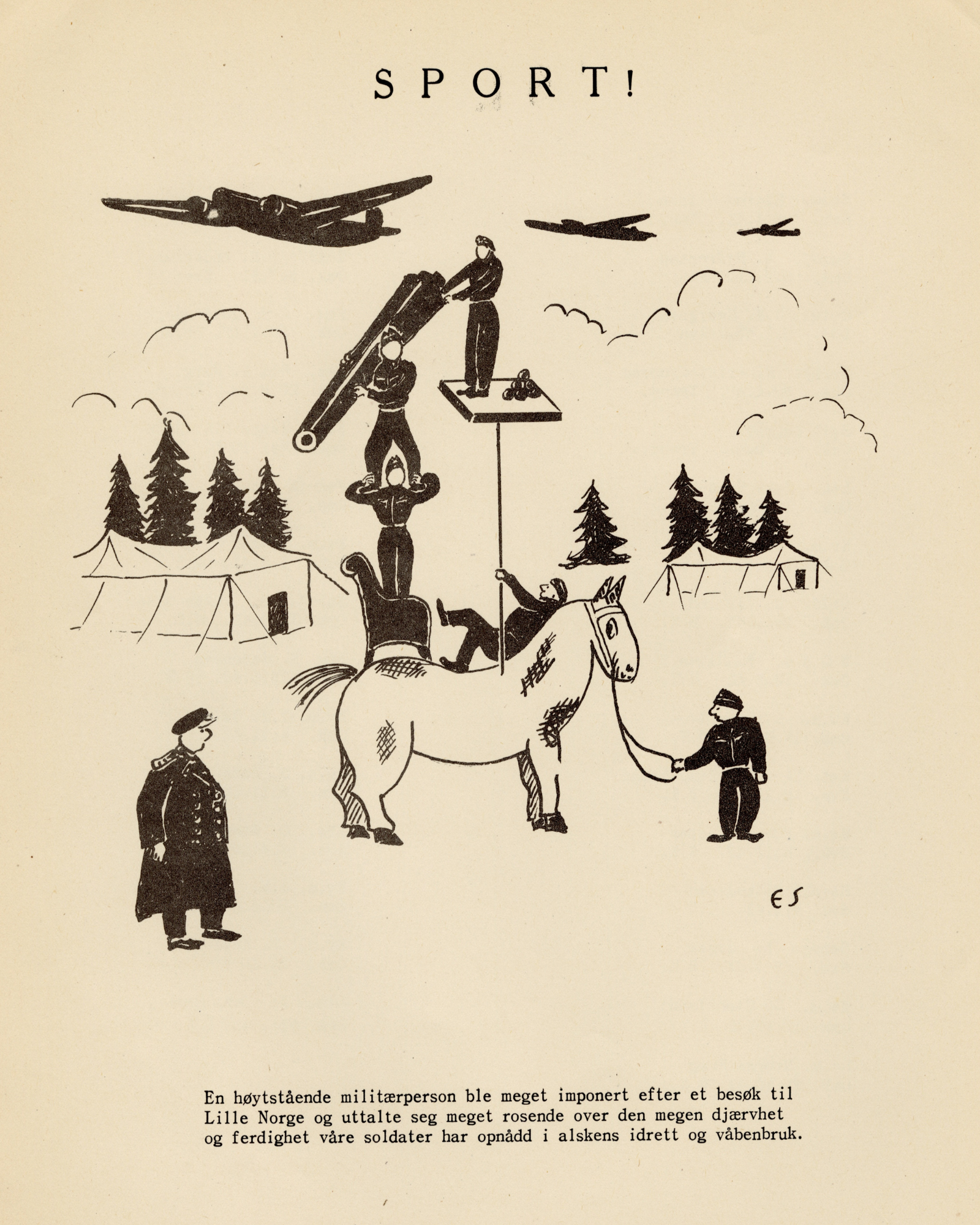
The Royal Norwegian Air Force’s Camp Little Norway periodical Lille Norge Avisen, commemorative “Minnenummer” April 9 issue, Volume 4, Number 1. Includes list of names and photographs of Royal Norwegian Air Force personnel deceased or missing from April 1940 to April 1944, an article by Camp Little Norway commander Ole Reistad, and other contributors.
Camp Little Norway Association Papers (P0466)
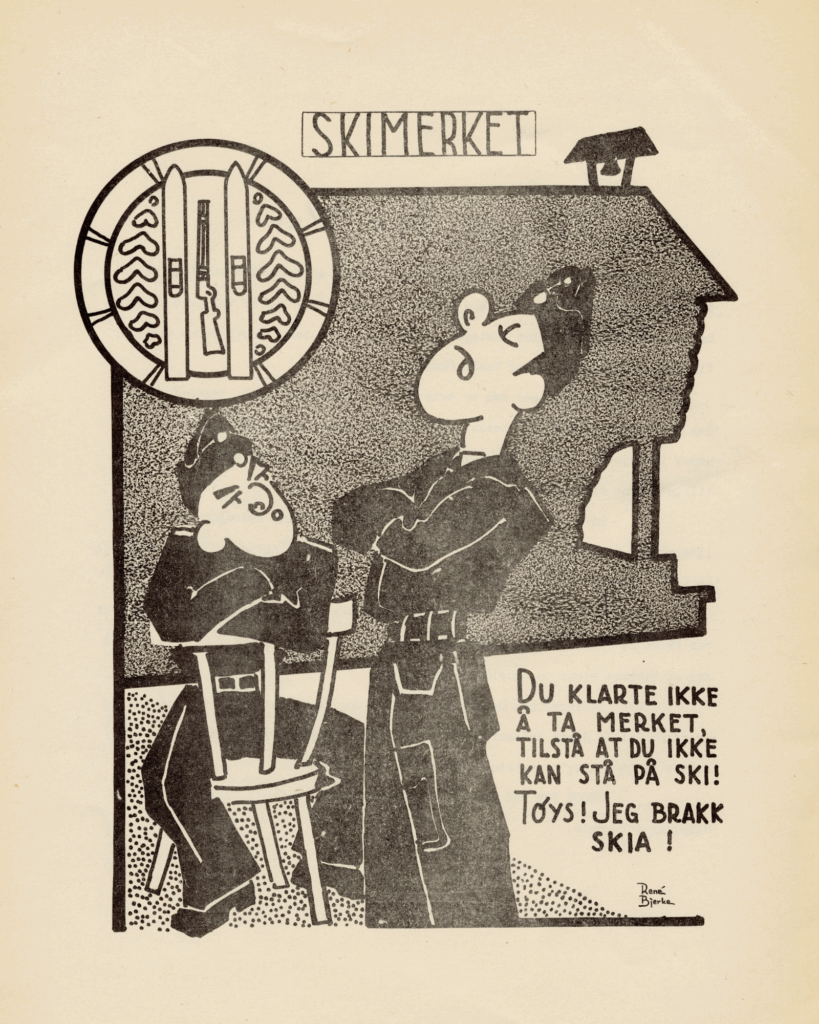
The Royal Norwegian Air Force’s Camp Little Norway periodical Lille Norge Avisen, Volume 4, Number 10. Includes articles about a war memorial at Vesle Skaugum, Norway’s resistance and post-war plans, the Norwegian squadron in Iceland, and an illustration from the children’s book Wings for Per by Ingri and Edgar Parin d’Aulaire.
Camp Little Norway Association Papers (P0466)
Relief Efforts
In 1941, a group of Norwegian Americans visited Camp Little Norway. Inspired to help, they founded the Camp Little Norway Association, Inc. (C.L.N.A.), which supported both Norwegian soldiers and civilians affected by the war. The association was formally established on September 23, 1941, and incorporated by the state of Minnesota.
By 1944, the association became part of American Relief for Norway, an umbrella organization licensed by the U.S. President’s War Relief Control Board to provide aid to foreign nations. When the C.L.N.A. dissolved in 1946, it had helped raise more than $1.3 million—or more than $22 million in today’s dollars—to support the Norwegian people during the occupation.
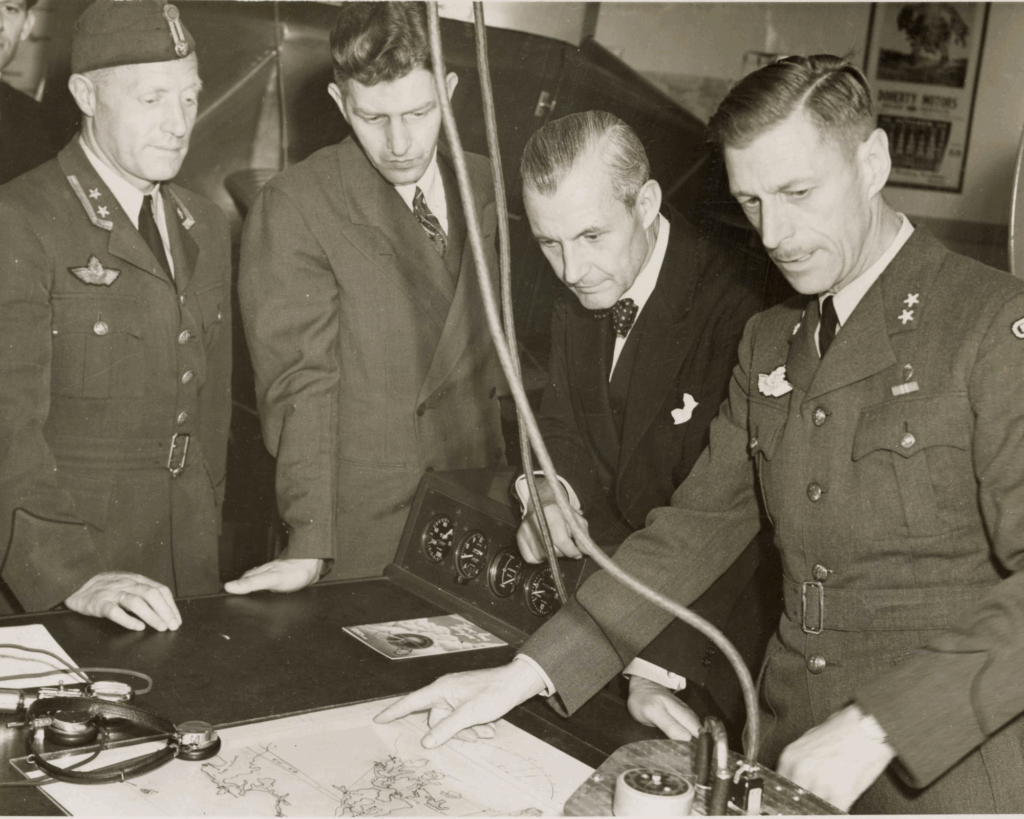
Camp Little Norway commander Ole Reistad is first on the left.
Camp Little Norway Association Papers (P0466)
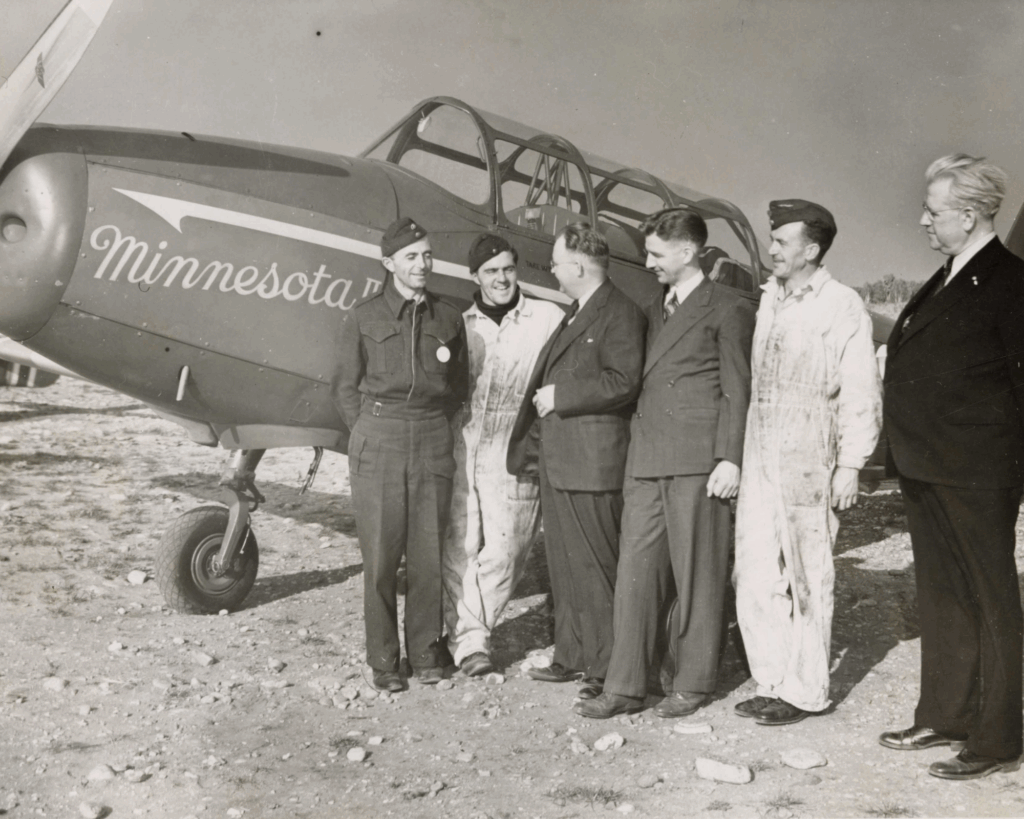
Gerhard N. Sonnesyn is third from left, K. R. Andresen is sixth from left.
Camp Little Norway Association Papers (P0466)
The Camp Little Norway Association Papers were digitized with grant funding from the National Endowment for the Humanities.